

Virginie
LEFÈVRE
Sirenergies editor
Table of contents


What are the differences between Engie and GrDF?
March 6, 2026
5
Min reading

Energy suppliers are required to separate their activities from those of distribution system operators according to European regulations on the opening of energy markets to competition.
In this context, GRDF operates the gas distribution network in France while Engie (ex-GDF) takes care of the supply.
In this article, SirEnergies gives you all the keys to know the differences between Engie and GRDF.
Understand how the gas transmission and distribution network works
In France, nearly 98% of natural gas Is imported. To better understand the differences between ENGIE and GRDF (Gaz Réseaux Distribution de France), it is necessary to learn about the operating principles of the gas transmission and distribution network.
Various gas infrastructures are responsible for importing and transporting natural gas in France:
Transport
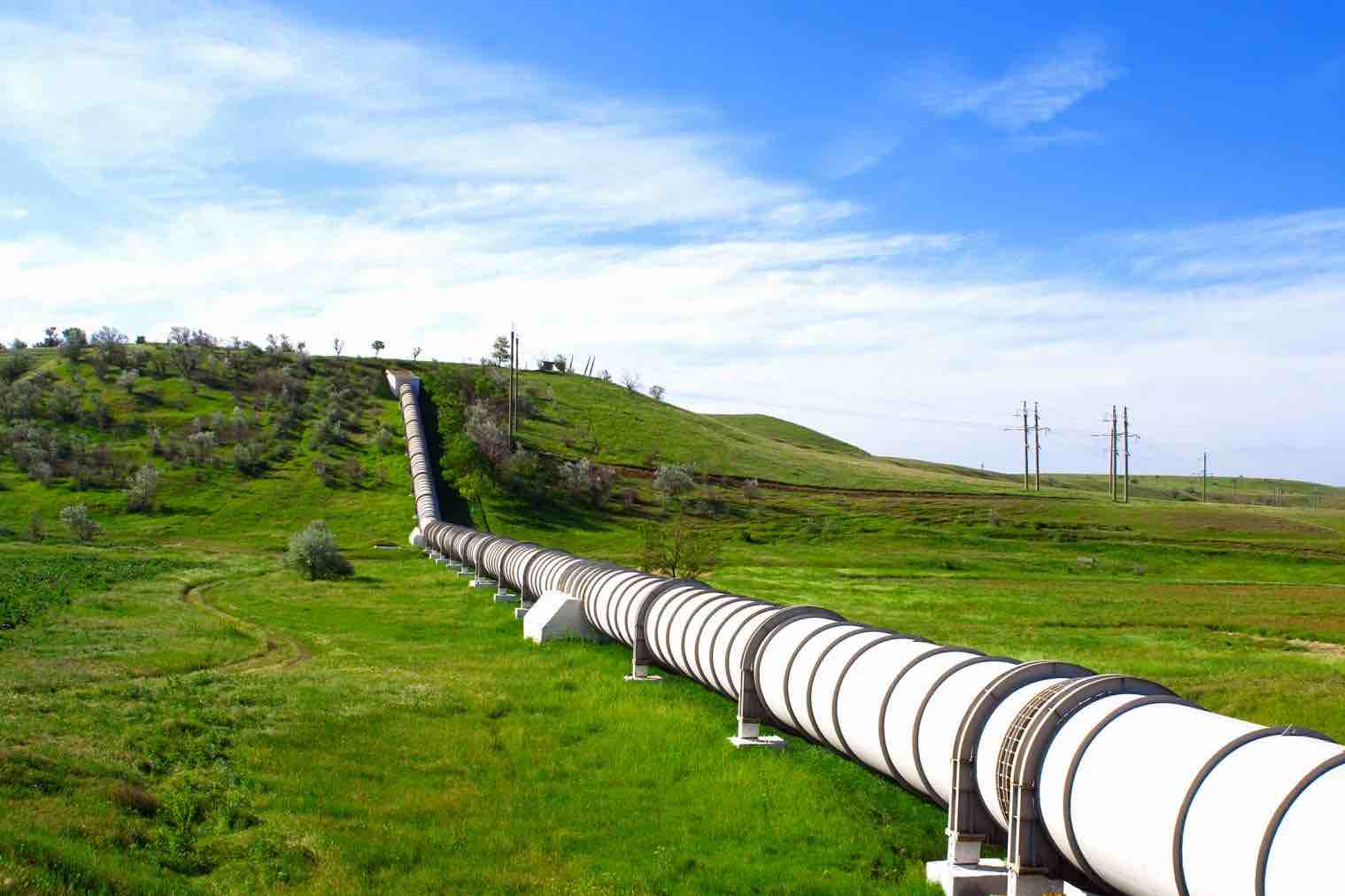
The transport networks are in charge of the transport of natural gas in France. Land transport is provided by GRTgaz and Teréga. This is usually done using gas pipelines.
Natural gas can also be transported under liquefied form (LNG) from the producing country to the country's borders by sea. It is generally Fosmax LNG and Dunkerque LNG who take care of it.
The storage
The gas is then stored in large underground tanks to allow the distribution system operator to meet the demands of connected households. These storage spaces are often established in saline cavities or in aquifers. This mission is the responsibility of the Storengy and Teréga groups.
The distribution
GRDF is responsible for the distribution of natural gas throughout France. Its main mission is to commission the meter that allows every household to use natural gas on a daily basis.
The supply
It should be noted that the role of gas suppliers differs from that of network manager of distribution. The supplier is, in fact, a natural gas dealer. It resells this energy at retail to consumers. There are several gas suppliers in France.
Among the best known are ENGIE (ex-GDF Suez), TotalEnergies and GazelEnergie.
La separation of distribution network management and gas supply aims to simplify the lives of consumers. As the gas network is the same for everyone, the fact of Change gas supplier does not present any constraints. In the same way, the subscription of a new offer does not cause any power outage.
Engie, gas supplier
On French territory, the Engie supplier is the only one in a position to charge a regulated gas sales rate or TRV. The amount of this is determined by the Energy Regulatory Commission (CRE).
Ex-GDF Suez also offers natural gas market offers to professionals and individuals. Here, the price per kWh and the subscription price are set by him.
In addition, it is useful to know that Engie and EDF are competitors. Indeed, it is an alternative electricity supplier.
To find out more about Engie, read our dedicated article.
GRDF, gas distributor
First of all, you should know that GRDF is a subsidiary of Engie. As explained above, it takes care of the transport of gas to the places of consumption.
To put it simply, you can think of the Engie supplier as an online store.
In this sense, GRDF will play the role of La Poste, which is in charge of delivering the product to the customer's address.
GRDF technicians also ensure the reading of meters, the transmission of gas consumption data to the supplier, the emergency troubleshooting of the device in the event of an incident as well as the deployment of the new connected gas meter, Gazpar.
As the natural gas distribution network requires permanent maintenance, annual maintenance of the network will therefore be the responsibility of the manager. The methods and deadlines for all these interventions are virtually identical, regardless of the supplier.

Why is Engie and GRDF coming together?
We often and unconsciously do theamalgam between Engie and GRDF. Beyond their previously very similar names (GDF and GRDF), these two actors have a common history.
In fact, the gas companies merged and formed GDF in 1946. Nationalized, the company acted as both distributor and supplier of energy. It was only in 2008 that GRDF was created due to the opening up of energy markets to competition. For its part, GDF merged with Suez to become the GDF Suez group before being renamed Engie in 2015.
The confusion between Engie and GRDF is still present in the minds of consumers 13 years after their separation. Apart from their almost similar names and their history, you should know that The gas market is still little known to the public. It is often difficult for individuals and professionals to understand its structure and functioning. Most people mix the activities of each player in the sector and do not clearly differentiate between the missions of one and those of the other.
On the other hand, Engie dominates the market. According to the CRE, 8% of consumers benefit from regulated rates while 46% of them have contracts with historical suppliers (Local Distribution Companies or Engie) and that the remaining 46% opted to take out a contract with an alternative supplier in the non-residential site segment. For many people, Engie seems to be the only interlocutor on the gas market.
In conclusion
We often confuse GRDF and Engie because of their shared past, their very similar old name and a lack of understanding of the structure of the gas market. However, the missions of these two actors are very different, even if they remain complementary.
Thus, GRDF essentially distributes natural gas to households. Its technicians also intervene to read the meter and carry out repairs.
As for Engie, the company offers consumers offers that meet their gas needs, but without being responsible for distribution: they thus play the roles of producer and delivery person in a way.
In addition, we must not forget that the former GDF Suez group offers electricity offers at market prices.
To go further, do not hesitate to consult our article on The differences between GRDF and GRTgaz.


Take the first step towards optimization
In a few clicks, organize an exchange with one of our experts.





weekly newsletter subscribers

4.9
