




Summarize with AI

March 3, 2026
8
Min reading
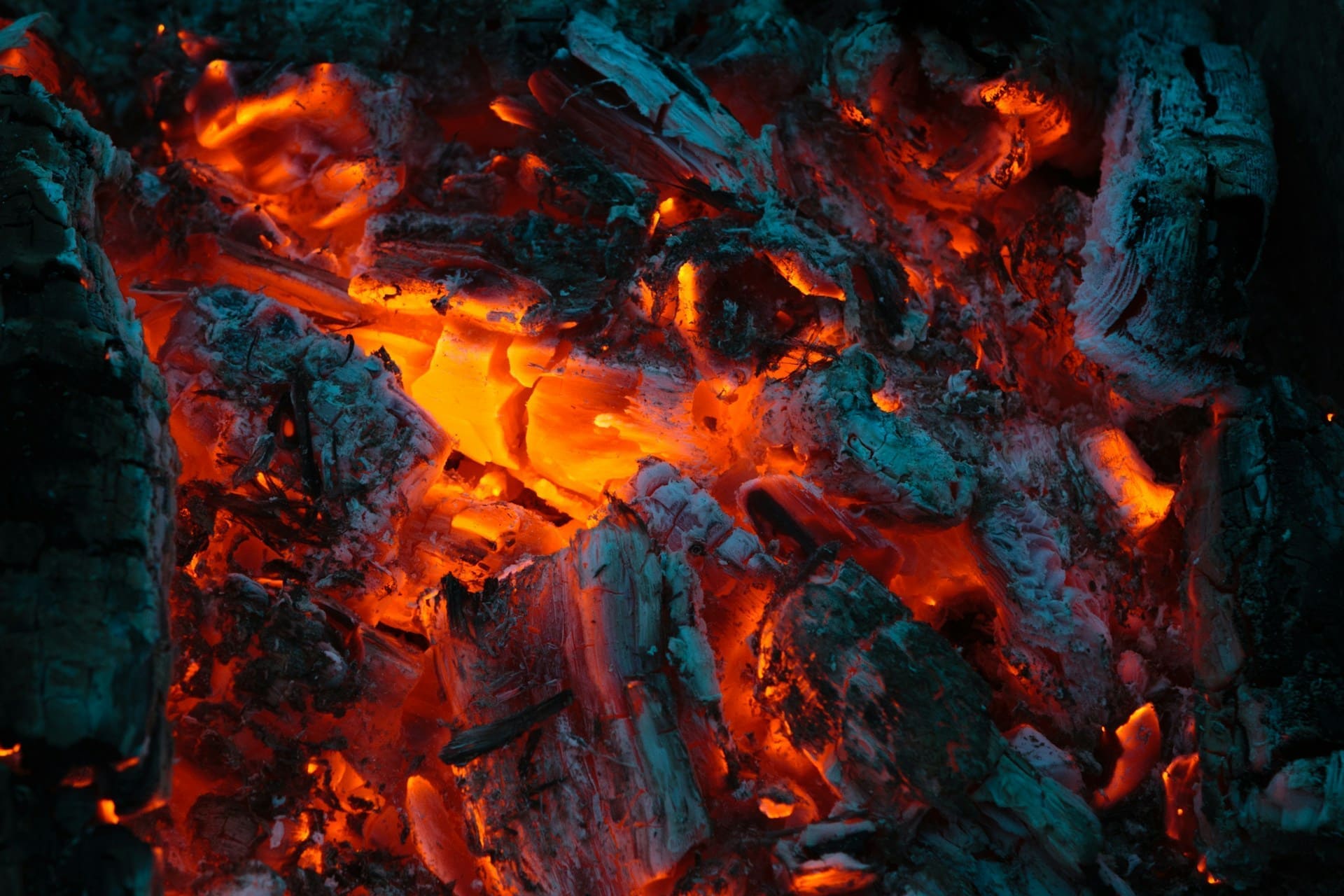
The coal, like oil and natural gas, is a fossil fuel. It was the main driver of the Industrial Revolution. This energy, considered by many to be an energy of the past, still occupies a preponderant place today in The energy mix many countries.
Very polluting like any fossil energy, its crucial role in the past and perhaps again in the years to come cannot be ruled out. SirEnergies invites you to discover the history of this energy of yesterday.
Coal is a rock that is essentially composed of carbon. Used as an energy source, it can be Of vegetable or mineral origin. Its origin dates back more than 350 million years during the Carboniferous period of the Paleozoic era. Charcoal is the direct consequence of the death of huge forests of ferns and other species, buried in swamps over the course of geological time.
The formation of coal as we know it today began in a swamp at the edge of a sedimentary basin. Under the effect of tectonic movements (the plates that form the Earth's crust), sea level rises, which traps plants that die once drowned.
This plant debris accumulate gradually and, under the effect of sedimentation, are covered by masses of mud and sand. Thanks to this burial, they are protected from the air, which prevents them from rotting like those present on the surface.
Over time, under the colossal weight of the sediments, this debris, which forms a veritable layer of plants, is subjected to an increase in temperature and pressure. This causes their gradual transformation under the effect of anaerobic bacteria.
The main component of wood, cellulose, then goes through different steps to form coal. Although the formation of coal began in the Carboniferous period due to more favorable conditions, it continued in some places on Earth in the other eras that followed. This is particularly the case of the Permian, of the entire Secondary Era, of the Tertiary and even of the Quaternary.
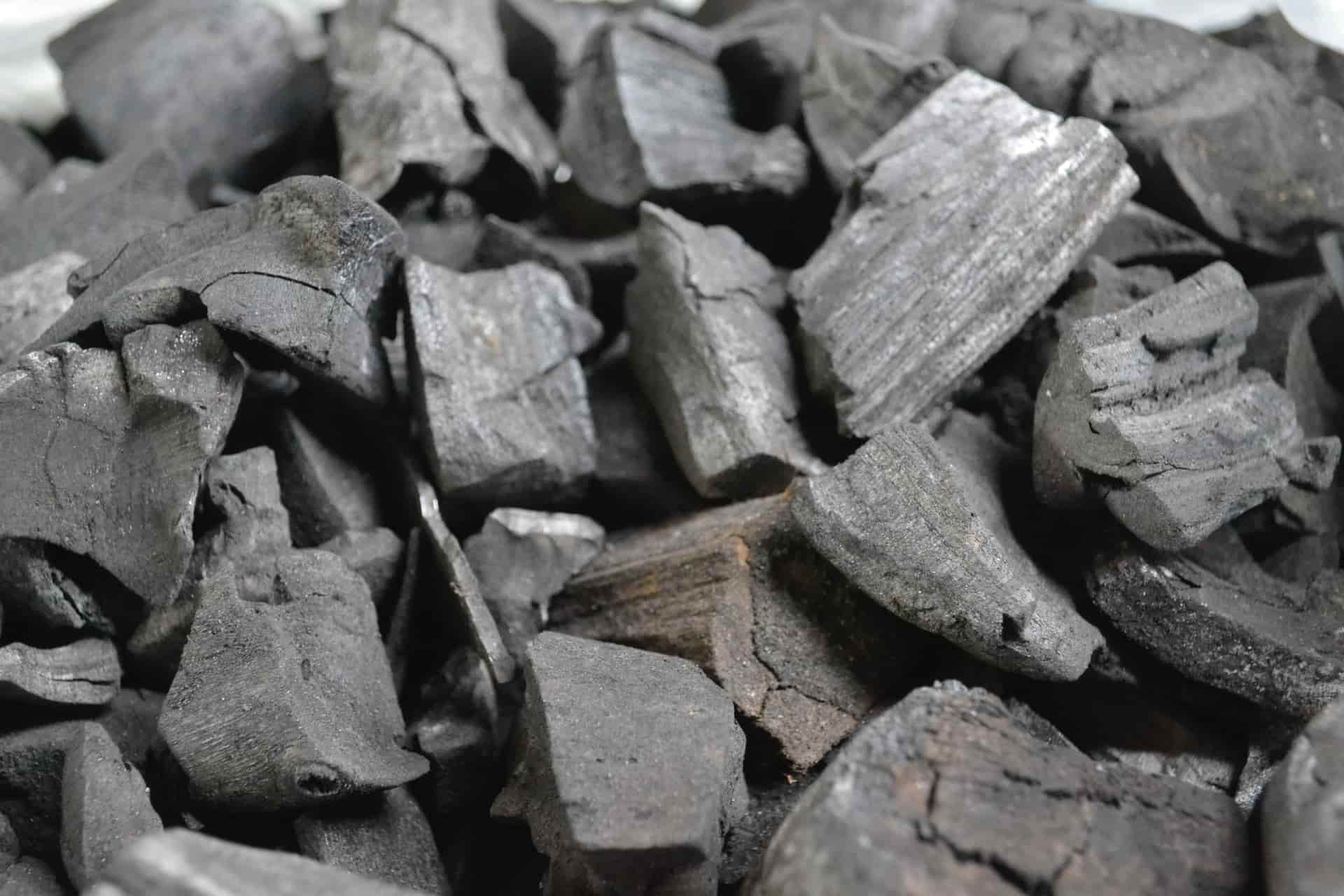
The first phase of sedimentation is peat. This is followed successively by lignite, hard coal and anthracite. These different types of coal encountered in the world differ according to their carbon percentage and correspond to different stages of maturity.
Peat is porous, light, and spongy. It also has the lowest percentage of pure carbon, only 55%. The rest is mainly composed of volatile materials. In fact, it is a bad fuel, used to be used on the Old Continent in the form of dried bricks for heating.
As for lignite, it contains between 65 and 75% carbon and 50% volatile compounds. It is very dirty when in contact with the skin. Like peat, it contains a high percentage of humidity and its combustion generates a lot of ash. It is mainly used for industrial boilers.
Hard and shiny, hard coal is considered to be a very good quality coal. It is formed from 70 to 90% carbon.
Finally, anthracite is the most sought-after form of coal. And for good reason, he has the highest carbon content : up to 97%. This excellent fuel is highly sought after, especially for home heating. However, it is also the one that takes the longest to form.
Coal has been mined for centuries, but its widespread use dates back to the Industrial Revolution in England. The invention of the steam engine has in fact played a major role in it. This fossil fuel was in fact the only one at the time able to power this machine.
The industrial exploitation of mines on the Old Continent, and then in the rest of the world, did not take long to begin. Now, how did that happen?
Exploration work is the only way to discover the existence of coal deposits, their nature and their shape. They require a profound geological knowledge from the basement.
Geophysical techniques and reconnaissance drilling are also used to assess the extent of the layers and locate faults. Some deposits may, for example, extend over thousands of km² and be buried several kilometers underground. Depending on their depths, coal can be mined in underground or open pit mines.
Underground mines are probably the most common in the world. Their exploitation is based on several techniques. This is, for example, the case with the chamber and pillar method and the long waist method.
In the first case, wide spaced pillars are left in each exploited coal seam. Cela Allows you to support the ceiling. Various wells are then connected to an immense network of galleries at each level where the coal is found. These galleries can extend over tens of kilometers.
With the long-cut method, a shearer (giant machine in the form of a plane) pierces the coal seam and advances progressively in order to recover fuel. The ceiling collapses after it passes, which can be dangerous for any buildings on the surface.
Open pit mines can be several kilometers long and can reach a depth of hundreds of meters. They are vast excavations organized in terraces. Various earthmoving machines are responsible for digging veins along them.
Coal mining in this type of mine takes place as follows.
The first step is to get rid of the layer of land located just above the first vein. At the base of it, drilling is carried out, which makes it possible to Start coal mining. Once the hole is large enough, we dig until the next discovery (coal layer). Coal is usually harvested with giant excavators.
After coal is extracted in the numerous mines in the world, it is washed and properly sorted according to its carbon content. As far as its uses are concerned, it cannot be said that they are as diverse as those of a Swiss Army knife.
In its beginnings, this fuel was widely used for transport, including mainly trains. However, this use declined towards the end of the 19th century.E century with the invention Of the first internal combustion engine by Étienne Lenoir and the marketing of the first automobile in 1886 by Karl Benz.
Today, coal is mainly used to produce electricity, steel and cement.
Coal is mainly used as fuel in coal-fired power plants. It is found less and less in domestic use for heating.
In the thermal power plants, coal is burned in a boiler, which generates heat. It transforms the water present into steam which makes it possible to produce electricity by driving a turbine coupled to an alternator. Arriving at the condenser, the water vapor is cooled and transformed into water for the resumption of a new cycle.
Coal is also used in the steel industry in one of its most carbon-concentrated forms: coke. It is obtained by wearing good quality charcoal paste at a temperature of 1000°C.
Mixed with iron ore in the blast furnaces of industrial furnaces, coke makes it possible to obtain cast iron. It is an alloy of carbon and iron from which steel is produced in the steel industries by reducing iron oxides.
One of the biggest uses of coal outside of electricity and steel production is in the manufacture of cement. Approximately 4% of the coal consumed in the world is used for this purpose. It is estimated that it is necessary approx. 1,000 kWh of heat to produce one ton of clinker, the main constituent of Portland cement. This is equivalent to using 0.15 tons of coal.
Likewise, coal can also be gasified in the presence of water vapor and oxygen for synthesis gas production. It is generally a mixture of carbon monoxide and hydrogen. Various conversion methods can then be used to transform this synthesis gas into a variety of products, such as methanol, pure hydrogen, urea and synthetic fuels.
While it is undeniable that Oil and gas have taken the lead in many areas over coal, the future of this energy source seems to be less dark than one might think. Indeed, coal still remains today, and by a very long way, the main source of electricity in the world.
In 2020, the share of this fuel in global electrical energy production was 35.1%. This is undoubtedly due to the multiple advantages of this energy source.
In the current socio-economic context, coal remains the main source of electricity in the world. And for good reason, its immediate benefits seem to outweigh its long-term disadvantages.
First of all, it is a very accessible fuel. Its geographical distribution is very balanced, not to mention its great abundance in most of the countries that dominate the global economy. This diversity of sources ensures a supply without major energy dependence on a particular producing country. It is estimated that the world's coal reserves amount to 500 billion tons, which would make it the last of the carbon-based energies if the pace of consumption continued.
In addition, the extraction of coal is inexpensive. On average, it only takes 40 to 50 dollars to extract a ton. Even better, this energy source allows electricity to be produced at a lower cost.
No wonder that, in Central European countries and especially in Asia where the others Fossil fuels are rarer, this energy source is particularly used. Continued consumption has, for example, increased in some countries such as China and Indonesia.
Despite these undeniable advantages, if coal has been robbed of the spotlight by other greener and more environmentally friendly energies, it is because of its numerous disadvantages. It is estimated that this energy source already caused the death of more than one million people in the 19th century.E and XXE centuries. One of the main reasons is firedamp, a natural gas that comes from pockets of methane that canexplode at the slightest spark.
Another major disadvantage is coal, such as all fossil fuels, emits a lot of greenhouse gases during its use. This is not really compatible with current climate challenges, which require the reduction of environmental impact of our energy sources.
Coal is thus a major source of energy that truly supported the industrial revolution of the 19th century.E century. If the current trend is towards carbon neutrality and the development of renewables, it is clear that the coal, that energy of yesterday, still remains in the global energy mix.
To go further, do not hesitate to consult our article to know The history of electricity in France.
In a few clicks, organize an exchange with one of our experts.


weekly newsletter subscribers

4.9

.png)

It allows you to prove your commitment to the energy transition and to meet regulatory requirements.
Le calendrier 2026 impose deux échéances majeures :
Pour simplifier ces démarches, vous pouvez centraliser vos données de consommation avec la plateforme Pilott de Sirenergies, garantissant ainsi la conformité de vos rapports réglementaires.
La réussite d'un projet collectif énergie repose sur trois piliers fondamentaux :
Yes. The supplier guarantees an offer 100% renewable via the official Guarantees of Origin (GO) mechanism.
For the most demanding companies, the offer GREENVOLT+ ensures very low carbon intensity electricity, sourced exclusively from independent French producers (hydraulic, wind, solar).
To calculate Scope 2 emissions, use the following formula:
Energy quantity (kWh) × Emission factor (kg CO₂ e/kWh).
Use databases like ADEME for precision.

Le charbon se forme par la carbonisation de débris végétaux accumulés dans des zones marécageuses. Sous l'effet de la pression et de la chaleur, sur des millions d'années, cette matière organique se transforme successivement en tourbe, lignite, houille, puis anthracite.
L'histoire du charbon débute par un usage artisanal médiéval avant de devenir le moteur de la Révolution industrielle au XIXe siècle. Aujourd'hui, bien que crucial pour l'électricité mondiale, il est au cœur des enjeux de transition énergétique pour réduire le CO2.
Le charbon est le terme générique, tandis que la houille est une variété spécifique, riche en carbone (environ 80%). Elle a été le combustible roi de la sidérurgie. Pour les entreprises, comprendre ces nuances historiques aide à saisir l'évolution du sourcing d'énergie vers des ressources moins polluantes.
Sa densité énergétique supérieure au bois a permis de faire fonctionner les machines à vapeur et les usines. Aujourd'hui, les sites industriels délaissent le charbon pour l'électricité et le gaz afin de réduire leur empreinte carbone tout en restant compétitifs.
Il est brûlé dans des centrales thermiques pour chauffer de l'eau et produire de la vapeur qui actionne des turbines. Ce processus reste l'une des principales sources d'ajustement de l'offre et de la demande d'électricité dans de nombreux pays, malgré son impact climatique.
Bien que son usage diminue en France, le charbon influence encore les prix de gros européens via les mécanismes de marché. Pour anticiper ces variations, il est crucial de suivre les alertes prix du marché afin d'optimiser ses achats d'électricité.
C'est un concept regroupant les technologies de captage et stockage du CO2 (CSC). L'objectif est de réduire les émissions des centrales existantes. L'ADEME joue un rôle clé dans le financement de ces projets de recherche pour la décarbonation.
Son usage est devenu marginal au profit du gaz et de l'électricité décarbonée. Les ETI et grandes entreprises privilégient désormais des contrats de fourniture garantissant une origine renouvelable pour répondre aux critères RSE.
La fermeture des dernières centrales à charbon oblige les collectivités locales et acheteurs publics à repenser leur stratégie d'approvisionnement en misant sur l'efficacité énergétique et la diversification des sources locales.
Il représente encore environ 25% de l'énergie primaire mondiale. La transition vers des alternatives est complexe. Un accompagnement en conseil énergie permet aux entreprises de naviguer dans cette mutation du mix mondial pour sécuriser leurs coûts.
Le gaz naturel émet environ deux fois moins de CO2 que le charbon pour la même énergie produite, servant souvent d'énergie de transition. Comprendre l'approvisionnement en gaz naturel est donc essentiel pour les industries quittant les combustibles solides.
La première étape de la décarbonation est la mesure. Utiliser un outil de suivi et analyse des consommations permet d'identifier les gisements d'économies et de justifier le passage à des énergies plus propres.