

Plastics industry: mechanical and chemical recycling
Plastic recyclers: master your energy cost per ton
By 2030, most plastic packaging must contain 10% to 35% recycled material: shredders, hot washers, extruders, and pyrolysis reactors will be running more. Sirenergies works with you to prepare electricity and gas procurement for your plastic recycling site and adjusts your subscribed power capacity.



Key industry figures
The weight of energy as plastic recycling scales up
The supply of recycled material remains far from targets, and every additional ton requires processing through the extruder and hot water. Your purchasing strategy must therefore be built on your future volumes, not last year's invoices.
Share of plastic household packaging recycled in France, latest figure published by Citeo
High share of extrusion in the energy demand of a studied recycling plant
High temperature for pyrolysis processes, a continuous heat requirement in the reactor
The energy profile of a plastic recycling unit
Extrusion and hot water: the two items driving the bill
The reality: material that needs remelting, motors that never stop
In a mechanical recycling unit, waste bales go through shredding, washing, drying, and then extrusion before becoming pellets again. Electricity dominates: shredders, conveyors, centrifuges, and regranulation extruders. Gas heats the wash baths and drying processes when they are not electrified, and in chemical recycling, it powers the pyrolysis reactors. Over twelve months, one studied plant reduced its energy demand by 17.6% thanks to more efficient extrusion and sensor-based sorting (Sustainability, 2026).
Our role: aligning your contracts with your production line rates
Equipment and settings remain the responsibility of your teams; Sirenergies provides advice on everything surrounding them:
- Purchasing: electricity and gas procurement tailored to your production levels, with coverage levels you decide.
- Transmission: TURPE (public electricity network usage tariff) power and options reviewed for each line, and ATRD (third-party access to gas distribution networks) capacity for washers.
- Monitoring: Your meters read at D+1 in Pilott to detect any drift the very next day.

Your energy challenges
The 3 energy challenges for plastic recycling units
Scaling up volume without energy bills rising faster than tons sold, absorbing pellet demand driven by regulations, and finally knowing the energy cost per ton: these three challenges are common to most regeneration units. Sirenergies addresses them through contracts, distribution, and data.
Energy-intensive shredding and regranulation
Shredding and regranulation lines often run continuously to meet rising demand driven by new regulations.
Energy audit and power subscription recalibration
Analysis of your load profiles to adjust your subscribed power as your business scales up.

Inefficient processes due to a lack of dedicated support
Plastic recycling is a recent sector that is still rarely covered by generalist energy consulting firms.
Multi-supplier gas and electricity sourcing
Competitive tendering tailored to your specific needs (washing hot water, pyrolysis reactors).
Anticipating regulatory growth
Targets for incorporating recycled materials (SUP directive, AGEC law) will increase the production load on regeneration facilities in the coming years.
Ongoing support and Pilott management
Long-term monitoring to support your site's ramp-up, without any unpleasant contractual surprises.
Contractual and data expertise
Optimization and management of your recycling unit contracts
From shredding to reactor heating, Sirenergies provides advice on electricity and gas for your recycling units. The goal: secured pricing before each production milestone and distribution costs that reflect your actual line usage, without ever impacting your process.
Contractual and capacity audit
Review of your electricity and gas contracts, their expiration dates, and your subscribed power levels, along with annual excise duty analysis and identification of CEE (energy savings certificate) schemes applicable to your equipment.
Purchasing strategy and competitive bidding
Specifications, consultation with our partner suppliers, clause-by-clause comparison, and negotiation preparation, followed by a hedging strategy that you decide on and that we monitor with you over the long term.
Distribution optimization (TURPE / ATRD)
For electricity, TURPE options and subscribed power adjusted to your shredding and extrusion lines; for gas, ATRD daily capacity reviewed for washing and drying boilers. We handle the procedures with network operators.
Tariff modeling for scaling up
Energy budget simulation at each production milestone, price risk analysis, study of a PPA (Power Purchase Agreement) or photovoltaic self-consumption, and the flexibility of your shredders.
Pilott software platform
D+1 consumption for every meter, price alerts on electricity and gas markets, budget forecasting, and centralized contracts: one single tool for management, procurement, and operations.
Expert consulting dedicated to recycling
A consultant who monitors your markets, deadlines, and relevant regulations (excise duties, capacity mechanisms, CEE), plus co-developed indicators to link energy, budget, and tons produced.
Our platform
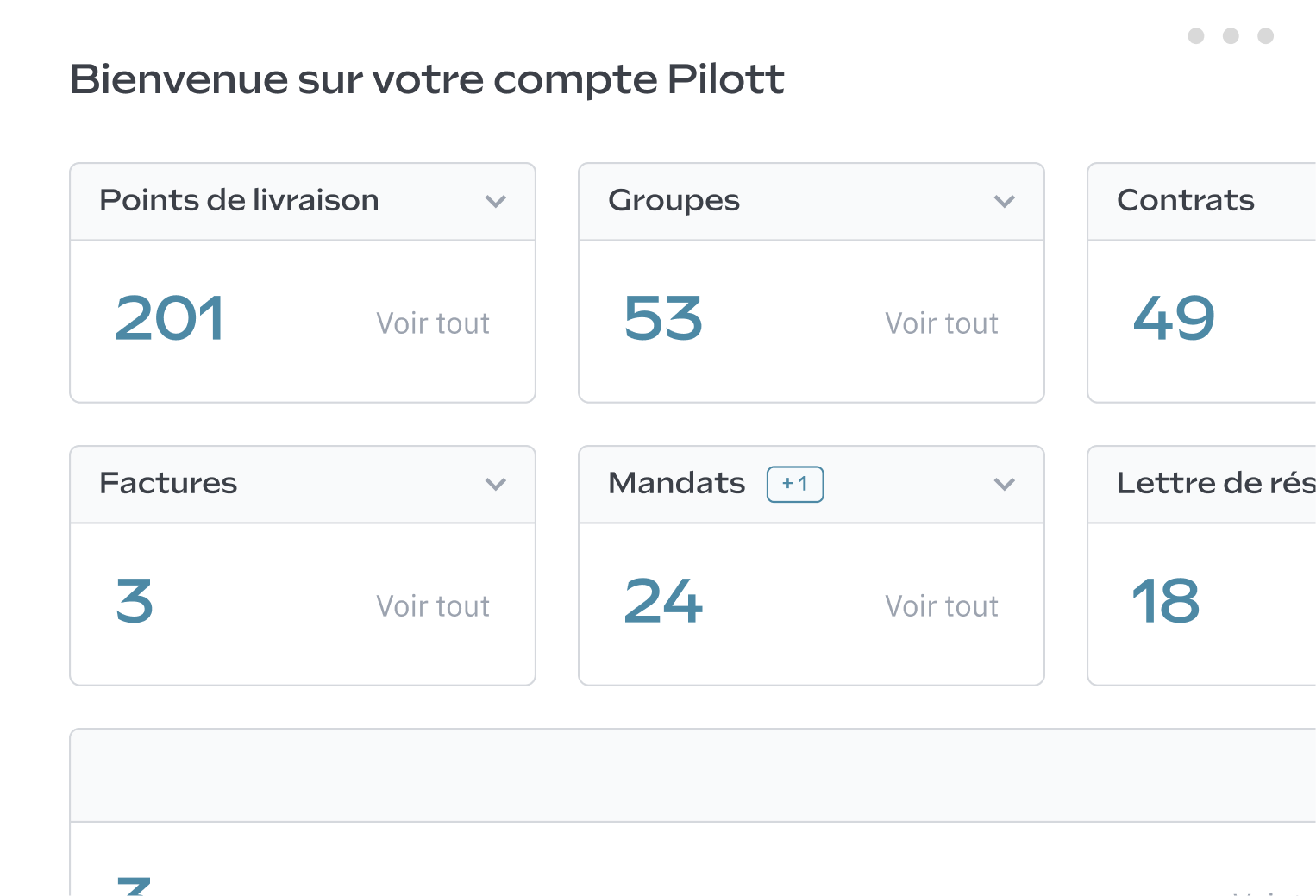
Pilott, simplified management to track your consumption
- Centralize your recycling units and all their electricity and gas meters
- Track consumption for each site at D+1
- Receive an alert when electricity or gas prices cross your threshold
- Simulate your energy budget at each production milestone and manage your contracts in one place



Plastics processing
Explore other processes
Un autre secteur ?


Methodology and definitions
What is energy consulting for plastic recycling?
For a plastic recycling unit, energy consulting connects two paths: the volume of tons to be regenerated, driven by regulations, and the electricity and gas bill that accompanies them. It helps the operator set prices in line with production milestones and decarbonize their supply through guarantees of origin or a PPA (Power Purchase Agreement). Sirenergies consultants guide this process using the Pilott platform.
The context
Due to failing to meet its plastic recycling targets, France pays approximately 1.5 billion euros per year to the European Union (Citeo, May 2026). This pressure translates into more material to regenerate, which means production lines running longer and consuming more energy.
- Covering price tiers: staggered pricing and volume tolerances for electricity and gas.
- Greening electricity: guarantees of origin or PPAs evaluated, then integrated into the contract.
- Measure: energy cost per ton of pellets tracked in Pilott.

What energy cost is hidden behind every ton of regenerated pellets?
An analysis of your contracts and load profiles is all it takes to calculate your room for improvement. No obligation.

