

Plastics industry: plastic injection
Injection molders: align your contract with your presses
Clamping, injection, holding, cooling: every press cycle draws from the grid, and Monday morning startups even more so. Chillers, dryers, and compressed air follow suit, while gas heats the facilities. Sirenergies optimizes energy for your plastic injection workshop and adjusts your subscribed power.


Key industry figures
Presses, cooling, and materials: the scale of injection molding
The type of press, the mold inventory, and the material injected determine consumption per kilo. These benchmarks form the basis for a procurement strategy and contract sizing tailored to your actual equipment.
Electricity saved at peak load by an all-electric press compared to a hydraulic one.
Injection molding machines identified in the French fleet by the reference CEE data sheet.
Average price per tonne of oil equivalent paid in 2024 by the rubber and plastics industry.
The energy profile of a plastic injection workshop
Presses, cooling, and compressed air: the injection workshop bill
The reality: electricity that follows the rhythm of the presses
An injection molding machine heats and plasticizes material in its barrel, pushes it into the mold, holds it under pressure, and then cools it. Electricity is the primary driver: motors or hydraulic units, heating bands, chillers, temperature controllers, pellet dryers, and compressed air. Gas, where available on-site, is primarily used to heat halls and offices. The type of drive changes everything: for ABS, a press goes from 0.65 kWh per kilo in hydraulic mode to 0.44 kWh in the electric version (SFO, SwissEnergy, 2020).
Our role: translating your press fleet into a contract
Settings, molds, and machine selection remain the responsibility of your teams and equipment suppliers. Sirenergies advises your management on three levers:
- Power: restart peaks and steady-state operation read from your load curves, then subscribed power and TURPE (public electricity network usage tariff) options adjusted.
- Purchasing: an electricity and gas tender, with a hedging strategy you decide on.
- Cost per part: consumption data in Pilott at D+1 reconciled with your injected volumes.


Your energy challenges
The 3 energy challenges for plastic injection workshops
Presses that draw power in bursts, equipment upgrades that change the shape of your bill, and energy costs that never appear in quotes: injection workshop managers face these three issues from one site to the next. Sirenergies addresses them through subscribed power, simulation, and data.
Poorly calibrated subscribed power
Many injection molding workshops have a subscribed power level set years ago, without being adjusted to their current fleet of presses: an oversized site pays a premium for power it never uses.
Subscribed power recalibration
Analysis of actual load curves (D+1 data via Pilott) to adjust subscribed power as closely as possible to actual needs.

Poorly managed HTA TURPE
The HTA-BT grid access tariff changes every year (+3.04% as of August 1, 2026, source: CRE, TURPE 7) and its rate structure remains complex for non-specialists.
TURPE audit and invoice verification
Our consultants analyze your contracts and invoices to identify overpayments and optimize your tariff structure.
Unmonitored press cycles
Without precise tracking, press heating and pressure-holding phases create consumption spikes that remain invisible until the bill arrives.
Real-time management via Pilott
Next-day load curves, threshold alerts, and reporting by production line.
Contractual and data expertise
Optimization and management of your injection workshop contracts
From injection presses to the chillers that cool the molds, Sirenergies supports you with the electricity and gas for your workshops. Your technicians operate the machines; our consultants handle the contracts, distribution, and consumption monitoring, press by press.
Contractual and capacity audit
Review of your electricity and gas contracts, their expiration dates, and your subscribed power levels in relation to restart peaks, annual excise duty analysis, and identification of CEE (energy savings certificate) schemes related to presses.
Purchasing strategy and competitive bidding
Specifications describing your equipment and teams, tender process with our partner suppliers, multi-criteria offer analysis, negotiation prepared alongside you, and follow-up on the hedging decisions you make.
Distribution optimization (TURPE / ATRD)
Electricity: TURPE options and power levels per period aligned with the actual operating cycle of your presses, for both low voltage and high voltage (HTA). Gas: ATRD options and capacity reviewed for hall heating. Procedures managed with network operators.
Tariff modeling for the press fleet
Energy budget simulated before replacing a hydraulic press with an electric one: electricity saved, cooling reduction, and power to be subscribed. The same simulation compares various hedging strategies and photovoltaic self-consumption.
Pilott software platform
D+1 consumption for each workshop, price alerts for electricity and gas, budget forecasting, and centralized contracts, with CSV or API export to your part-costing tool.
Expert consulting dedicated to plastic injection
A dedicated consultant monitors your markets, deadlines, and relevant regulations (excise duties, CEE, capacity mechanism), then works with you to build an energy cost indicator per kilo injected, workshop by workshop.
Our platform
Pilott, simplified management to track your consumption
- Consolidate your injection workshops and all their electricity and gas meters
- Check weekend consumption at D+1, with presses shut down
- Get alerted when the price of electricity reaches your threshold
- Simulate your energy budget and manage all your contracts in one place


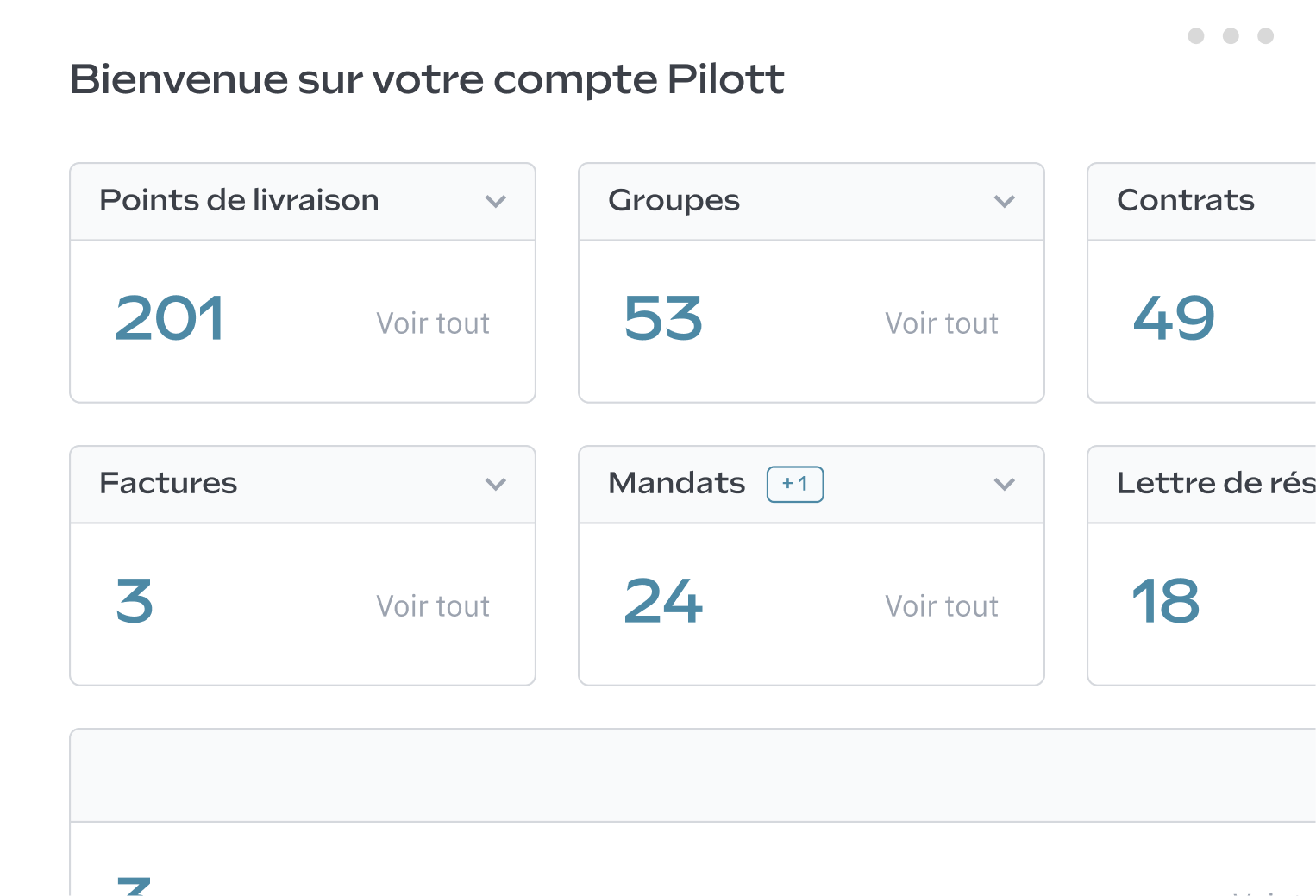

Plastics processing
Explore other processes
Un autre secteur ?


Methodology and definitions
What is energy consulting for plastic injection molding?
In a plastic injection workshop, electricity contracts often come down to a few minutes: the restart phase, when all presses heat up simultaneously. Energy consulting involves sizing your subscribed power and distribution fees based on the actual operating cycle of your presses rather than this peak, managing your electricity and gas procurement, and tracking costs per kilogram. Sirenergies consultants carry out this work using the Pilott platform.
The context
In 2024, the smallest industrial facilities paid 2.6 times more per megawatt-hour for their electricity than the largest ones (Insee Première No. 2095, February 2026). This gap directly affects SMEs in the plastics industry, for whom subscribed power and distribution options carry significantly more weight.
- Measure: restart peaks and steady-state operation separated.
- Size: power levels adjusted by period, overages avoided.
- Anticipate: every new press simulated before connection.

How much does it cost you to restart your presses every Monday?
One year of load curves and your contracts are all we need to calculate the difference. No obligation.

