

Plastics industry: thermoforming
Thermoformers, keep your ovens under control
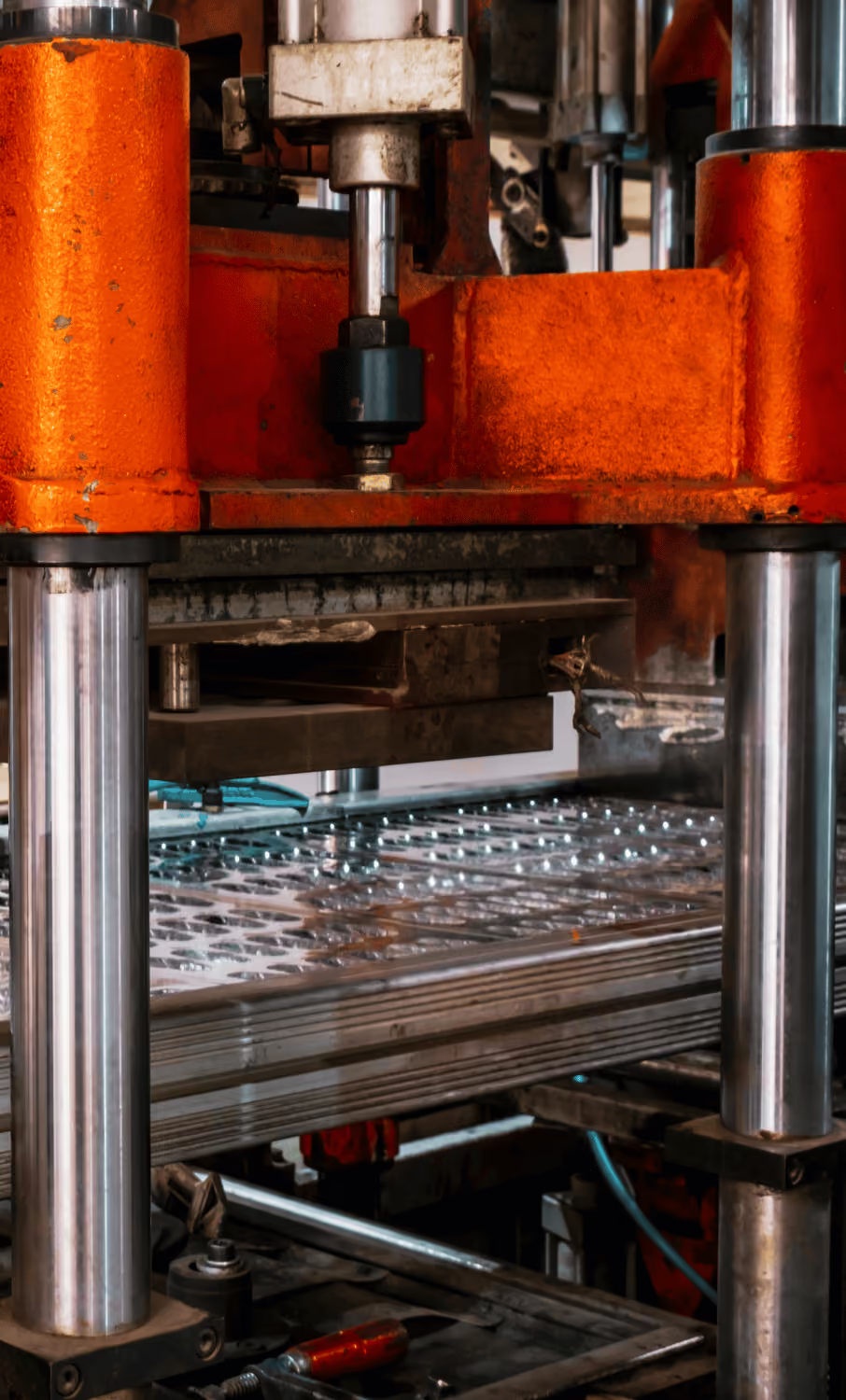
Whether for trays, pots, blisters, or technical parts, the sheet passes under infrared panels to soften, then vacuum and compressed air press it onto the mold. Electricity powers this process, while gas heats the workshops. Sirenergies optimizes your thermoforming energy usage and aligns your power capacity with your production runs.



Key industry figures
Infrared ovens, vacuum, and air: the benchmarks of a thermoforming workshop
Heating the sheet is the primary energy consumer, but utilities also play a significant role. Measuring these areas and the actual size of your site provides the foundation for a purchasing strategy tailored to your production runs.
Share of sheet heating in the energy consumed by a thermoforming machine.
Share of fuels in the energy consumed by the French plastics processing industry.
Share of compressed air in the electricity usage of a model plastics factory studied in Switzerland.
The energy profile of a thermoforming workshop
Sheet heating: the primary energy expense in a thermoforming workshop
The process: heating a sheet, then shaping it
Whether from a roll or a sheet, the plastic passes under electric infrared panels until it becomes pliable; then, vacuum and sometimes compressed air press it onto the cooled mold, followed by cutting and stacking. Electricity is the primary energy source: ovens, vacuum pumps, compressors, and chillers. Gas is often used to heat workshops and offices. One machine manufacturer estimates consumption between 0.08 and 0.25 kWh per kilo, depending on thickness and production speed (GABLER Thermoform, 2026).
Our role: linking your production runs to your contract
Oven settings, tooling, and maintenance are handled by your teams and equipment suppliers. Sirenergies advises your management on three key levers.
- The base load. What ovens consume between production runs, isolated within your load profiles.
- Distribution. Subscribed power and TURPE (public electricity network usage tariff) options, and ATRD (third-party access to gas distribution networks) capacity for heating production halls.
- Taxes. Electricity excise duty (formerly TICFE) and natural gas excise duty (formerly TICGN), verified annually.

Your energy challenges
The 3 energy challenges for thermoforming workshops
Ovens that stay hot during changeovers, volumes and materials impacted by packaging regulations, and utilities that go unmeasured: three factors that weigh on a thermoformer's margins every month. Sirenergies provides solutions through analysis, contracting, and monitoring.
IR oven in near-continuous operation
The infrared oven often runs continuously to maintain production rates, even during product changeovers.
Load profile diagnostics
Identifying periods of excess consumption related to maintaining the oven's temperature.

Fixed subscribed power
Subscribed power is rarely readjusted following changes in production rates or oven inventory.
Subscribed power recalibration
Precise adjustment to actual needs based on Pilott load profiles.
Contract not adjusted to market conditions
An outdated contract may no longer reflect current market conditions.
Multi-supplier sourcing
Competitive bidding for market-indexed pricing.
Contractual and data expertise
Optimization and management of your thermoforming workshop contracts
From infrared panels to vacuum pumps, Sirenergies provides expert advice on electricity and gas for your thermoforming lines. Your teams manage the ovens and tools; we handle the contracts, distribution, and metering, line by line.
Contractual and capacity audit
Review of your electricity and gas contracts, their expiration dates, and your subscribed power levels, along with an annual analysis of electricity excise duty (formerly TICFE), natural gas excise duty (formerly TICGN), and applicable energy savings certificates (CEE).
Purchasing strategy and competitive bidding
Consultation with our partner suppliers based on specifications that reflect your production runs and downtime, multi-criteria analysis of offers with a recommendation report, and ongoing monitoring of your price fixings and contract deadlines.
Distribution optimization (TURPE / ATRD)
Electricity: TURPE options and power levels adjusted for oven heat-up times and vacuum pumps. Gas: ATRD options and capacity reviewed for workshop heating. We handle all procedures with network operators.
Tariff modeling for infrared ovens
Energy cost per production run simulated based on material, thickness, and time slots, budget projections for various hedging strategies, and feasibility studies for photovoltaic self-consumption tailored to your production hours.
Pilott software platform
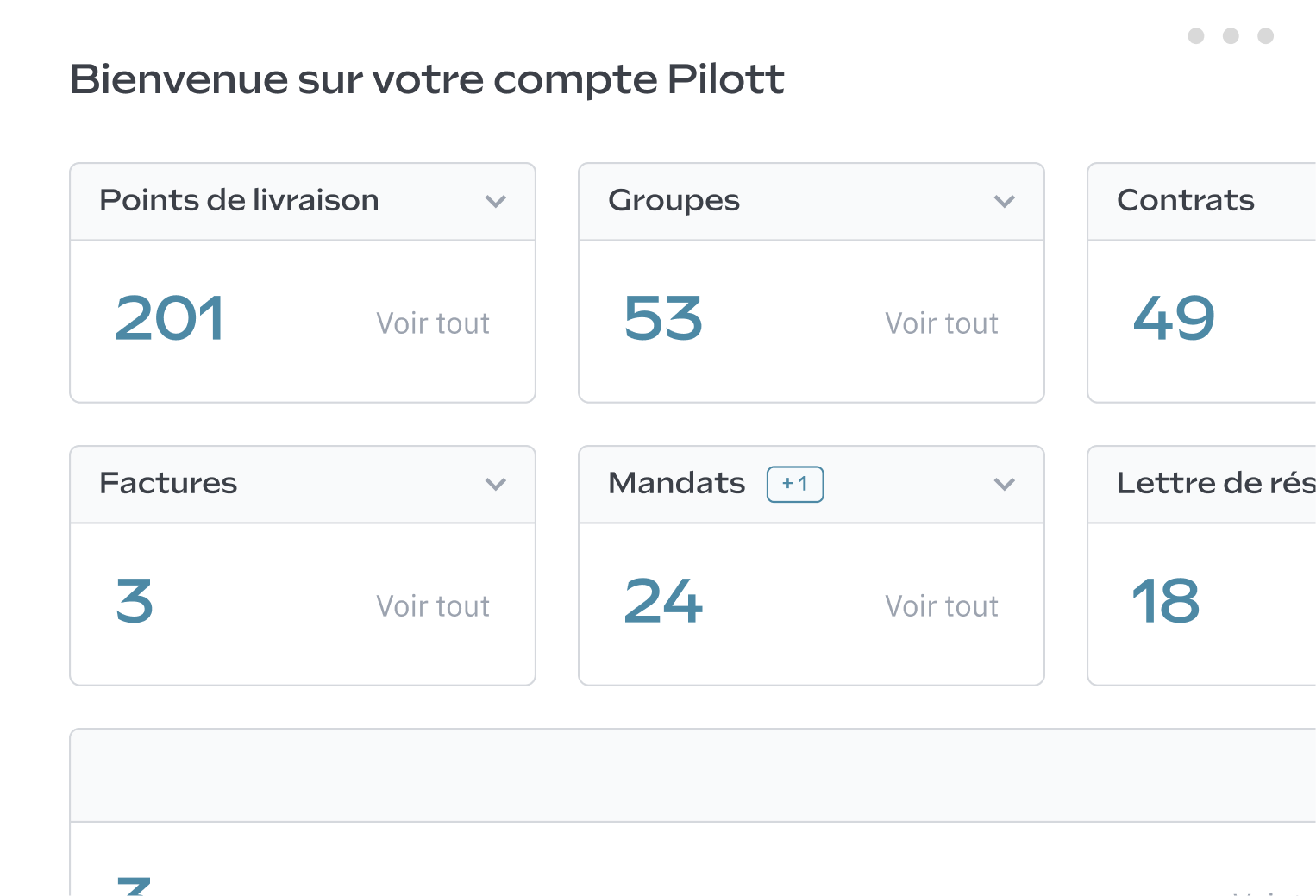
Next-day consumption tracking for each line, price alerts for electricity and gas, budget forecasting, centralized contracts and invoices, and CSV or API exports for your production management tools.
Expert consulting dedicated to thermoforming
A dedicated consultant tracks your markets and deadlines, keeps you informed of developments affecting packaging and energy, and works with you to build energy cost indicators per line and per production run.
Our platform
Pilott, simplified management to track your consumption
- Centralize your thermoforming lines and their meters
- Identify what your ovens consume between production runs on a daily basis
- Get an alert when electricity prices exceed your threshold
- Forecast your budget and manage your contracts from a single platform



Plastics processing
Explore other processes
Un autre secteur ?


Methodology and definitions
What is energy consulting for thermoforming?
For a thermoforming workshop, almost all energy consumption is electricity, and a portion of every bill comes from neither the price per megawatt-hour nor the grid: it comes from taxes. Energy consulting involves verifying the electricity excise duty (formerly TICFE), the natural gas excise duty (formerly TICGN), and the CTA (contribution tarifaire d'acheminement) applied, supporting the procurement of both energy types, and tracking the cost of each production run. Sirenergies consultants do this using the Pilott platform.
The context
In 2024, the rubber and plastics industry, grouped with non-metallic minerals, consumed 1,027 ktoe of electricity and 1,363 ktoe of gas (Insee, energy consumption by type and activity, June 2026). With these volumes, any incorrectly applied tax line is repeated on every invoice throughout the year.
- Taxes: excise duties and CTA checked annually on your invoices.
- Distribution: power and gas capacity adjusted to your production runs.
- Procurement: electricity and gas sourced together, with cost per run tracked at D+1.

How much do your infrared ovens cost between production runs?
Your load curves and invoices are enough to isolate this item and calculate the difference. No obligation.

