

Plastics industry: rotational molding
Rotational molders, keep control of your gas oven costs
Whether for tanks, reservoirs, bins, or kayaks, the mold rotates on two axes inside an oven—usually gas-heated—until the powder coats the walls, followed by air cooling. Grinding, rotation, and ventilation all consume electricity. Sirenergies optimizes your rotational molding energy, from oven gas to electricity.



Key industry figures
Gas ovens and SMEs: energy benchmarks for rotational molding
Rotational molding relies on gas for its ovens and is primarily driven by SMEs. These benchmarks show why purchasing gas, just like electricity, requires a structured strategy.
Increase in the average energy price paid by the rubber and plastics industry between 2019 and 2024.
Average number of employees per company in the core French plastics industry in 2024.
Number of plastics and composites industry establishments recorded in France in 2024.
The energy profile of a rotational molding workshop
The gas oven: the heart of a rotational molding workshop's bill
The situation: a process dependent on gas
The mold, loaded with powder, rotates on two axes in an oven until the melted material coats its walls; it is then removed to cool via air or misting. Ovens are most often heated by natural gas, and long cycles extend this consumption. Electricity powers the powder grinding, arm rotation, fans, and compressed air. For these SMEs, price counts double: in 2024, small industrial sites paid twice as much for their gas as larger ones (INSEE, February 2026).
Our role: structuring your oven gas procurement
Ovens, molds, and settings remain the responsibility of your teams and manufacturers. Sirenergies advises your management on three levers:
- a gas purchasing strategy that compares fixed and indexed prices, with a price-fixing schedule that you decide;
- gas distribution network access (ATRD) capacity adjusted to your burners, and subscribed power and grid tariff (TURPE) options aligned with your grinding and rotation processes;
- next-day tracking in Pilott to reconcile gas consumption for each cycle.


Your energy challenges
The 3 energy challenges for rotational molding workshops
A gas oven that accounts for the bulk of the bill, long cycles that could partially run during off-peak hours, and SMEs without an energy department to monitor the markets: this is what most rotational molders face. Sirenergies provides the solution through procurement, distribution management, and a dedicated point of contact.
Long cycles with poor contractual value
The rotary kiln operates on long cycles that could, in part, be shifted to off-peak hours without disrupting production.
Structuring an off-peak and peak-hour contract
Analysis of your production cycles to build a pricing offer tailored to this flexibility.

SMEs receive little support for this process
Rotational molding remains a niche segment, rarely covered by generalist brokers.
Dedicated support and multi-supplier sourcing
Competitive bidding for suppliers based on a consumption profile specific to your production cycle.
Subscribed power not reassessed
The subscribed power often remains set based on the site's history, with no relation to the current fleet of ovens.
Subscribed power recalibration
Adjustment based on your actual load curves monitored via Pilott.
Contractual and data expertise
Optimizing and managing contracts for your rotational molding workshops
From gas for ovens to electricity for grinding and rotation, Sirenergies supports you with both energy sources for your workshops. Your teams manage the cycles; our consultants handle the contracts, distribution, and consumption monitoring, oven by oven.
Contractual and capacity audit
Review of your gas and electricity contracts, their expiration dates, your daily gas capacity, and your subscribed power levels, along with an annual analysis of excise duties and identification of energy savings certificates (CEE) applicable to your ovens.
Purchasing strategy and competitive bidding
Consulting our partner suppliers for oven gas and workshop electricity, comparing fixed and indexed prices, performing multi-criteria offer analysis, and providing advice on when to lock in rates.
Distribution optimization (TURPE / ATRD)
Gas: ATRD options and daily capacity sized to your burners. Electricity: TURPE options and power levels per period aligned with grinding and rotation. We handle all procedures with network operators.
Tariff modeling for oven cycles
Simulated gas and electricity costs for each cycle based on the part and time slot, budget projections for various hedging strategies, and a quantitative comparison of an electric heating project before any investment.
Pilott software platform
Next-day gas and electricity consumption data, alerts when gas prices hit your threshold, and budget projections with centralized contract documents accessible to both management and accounting.
Expert consulting for rotational molding
A dedicated consultant monitors the gas market and your deadlines, alerts you when it's time to lock in rates, and works with you to build a cost-per-part energy indicator—perfect for SMEs without an in-house energy department.
Our platform
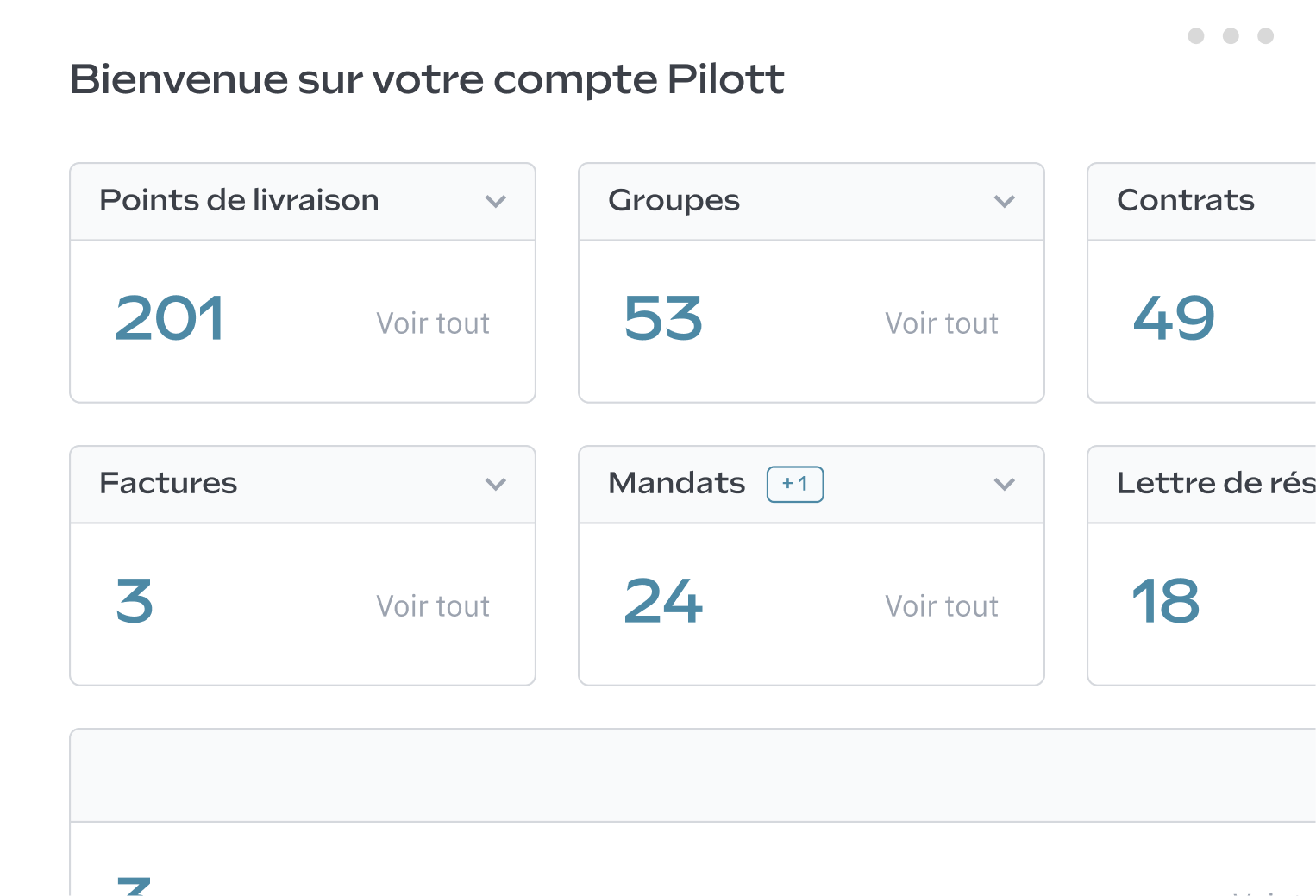
Pilott, simplified management to track your consumption
- Consolidate your workshop gas and electricity meters
- Track your oven gas consumption with a one-day lag
- Get notified when gas prices hit your target lock-in threshold
- Project your energy budget and keep all your contracts in one place



Plastics processing
Explore other processes
Un autre secteur ?


Methodology and definitions
What is energy consulting for rotational molding?
When should you lock in the price of gas for ovens that run all year round? For a rotational molding company, energy consulting starts with this question: choosing between fixed and market-indexed pricing, staggering lock-ins over time, and then sizing gas delivery costs for ovens and electricity for grinding. Sirenergies consultants build this schedule with you and track it via the Pilott platform.
The context
In 2024, only 12% of industrial facilities had an electricity contract indexed to wholesale market prices (Insee Première No. 2095, February 2026): the vast majority therefore have a fixed price, making the timing of the lock-in decisive for both electricity and oven gas.
- Hedge: a portion of gas locked in, with the rest left to the market based on your risk tolerance.
- Stagger: lock-ins spread out over time, prepared using Pilott alerts.
- Size: gas capacity and electrical power reviewed annually.

How much does gas cost for each of your rotational molding oven cycles?
Your gas and electricity bills and your contracts are all we need to estimate the potential. No obligation.

