

Virginie
LEFÈVRE
Sirenergies editor
Table of contents


EDF-GDF separation: what was it like before?
March 31, 2026
6
Min reading
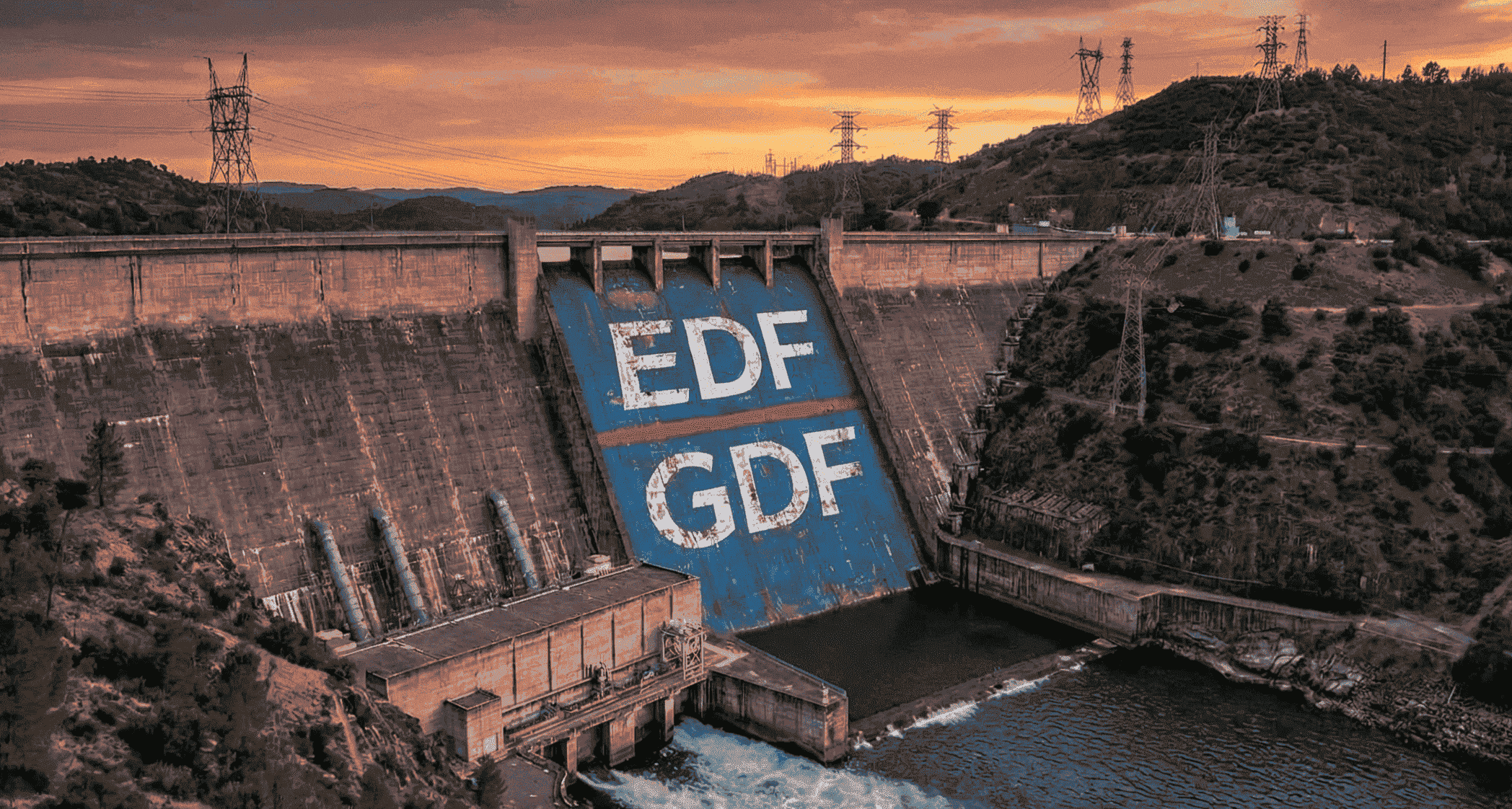
Avant the opening of energy markets to competition, the historical suppliers EDF and GDF formed a single entity. This story dates back to the post-war period, as part of the reconstruction of France. The state had decided to nationalize the energy sector.
EDF-GDF: more than 70 years of history
EDF-GDF was founded over 70 years ago. The reconstruction of France was inevitable after the Second World War. The governments of this period had the choice between creating the Ministry of Reconstruction and Urbanism in favor of destroyed cities orFocus on basic productive sectors. Their choice then focused on the second option.
The nationalization of the electrical and gas industries (IEG)
Owned by numerous private companies, the production and distribution of energy sources were managed in a scattered manner in the wake of the Second World War. Marcel Paul, the Minister of Industrial Production, considered this organization to be an obstacle to reconstruction. According to the former resistance fighter, deported and former director of the CGT de l'Énergie, the nationalization of the sector was an indispensable and unavoidable step.
Brought to the Assembly, this project was inspired by the conviction of the National Council of the Resistance. This concerned the need for the return to the nation of the major monopolized means of production, energy sources, underground wealth, insurance companies and big banks.
It was on April 8, 1946 that the State decided to nationalize the energy sector, which gave birth to EDF-GDF, the legacy of Marcel Paul and General de Gaulle. EDF was then intended for electricity while GDF takes care of the gasses. Following nationalization, Marcel Paul would then have declared “What a beautiful France we are going to make”. The aims of Law No. 46-628 were mainly centered on the Recovery of the French economy, the modernization of existing structures and the rationalization of efforts.
Becoming energy independent and having total control over the country's strategic directions were also among the goals of nationalization. For this purpose, around 95% of private companies specialized in the field of electricity and gas have been nationalized by the State to create EDF-GDF.
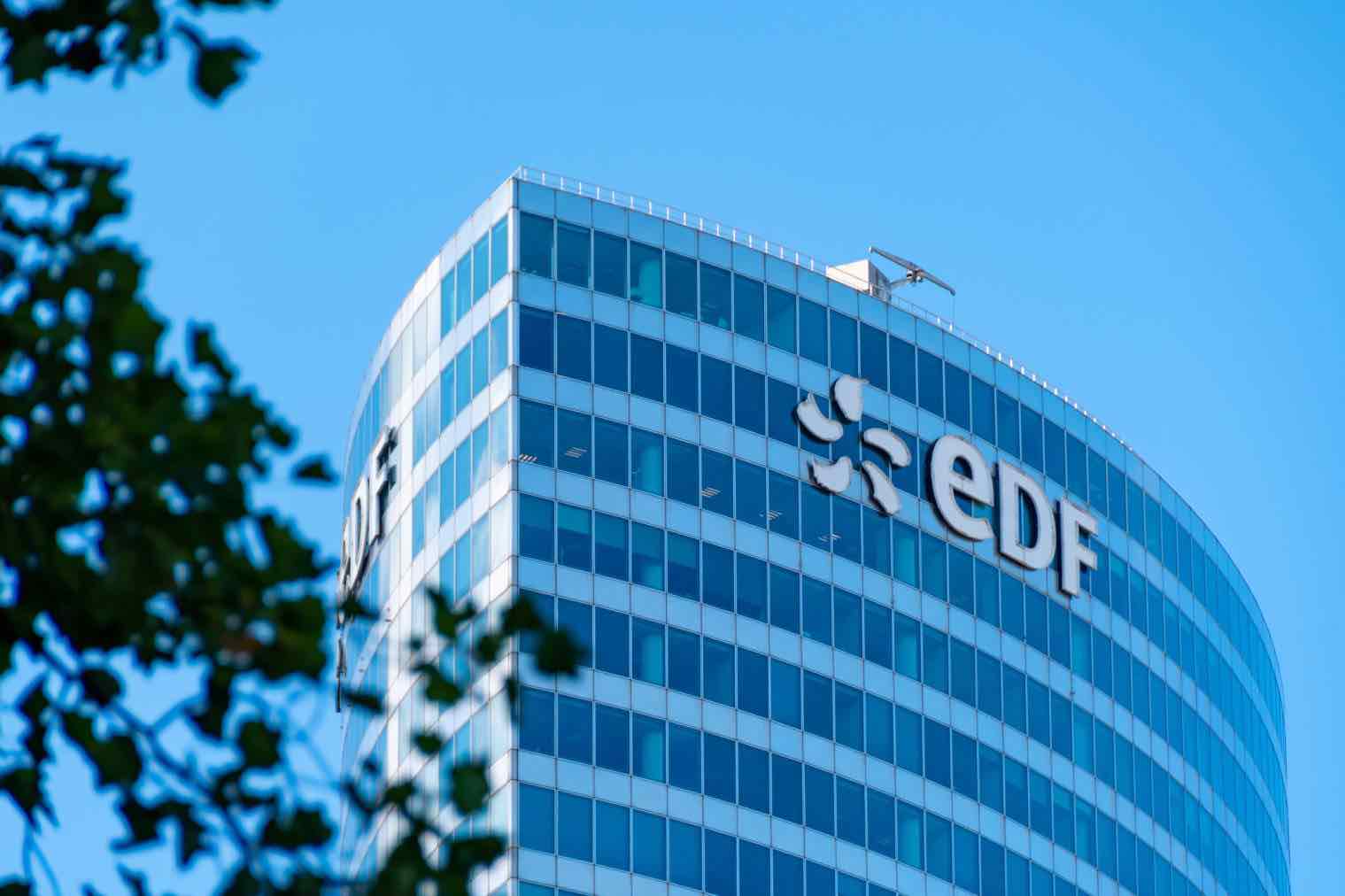
France in the 50s, 60s and 70s
The electrification of France took place between the 50s and 60s. At the time, only two out of three inhabitants had access to electricity.
The Marshall Plan's mission was initially focused onconstruction of hydroelectric dams before turning to the modernization of thermal power plants. The number of dams installed was insufficient in view of the increased demand for electricity and the doubling of consumption every decade. The switch to 220 volts was decided in 1960.
The creation of the blue counter took place in 1963. The aim of this action was to increase the electrical power of EDF's customers. Each month, more than 70,000 meters have been installed. Since then, the blue meter has symbolized the rise of the French in terms of electrical comfort.
The year 1963 also marked the beginning of the generation of kilowatt hours of electricity Of nuclear origin. It was in Chinon that EDF decided to carry out this operation using its EDF1 reactor, which is, today, the “La Boule” museum.
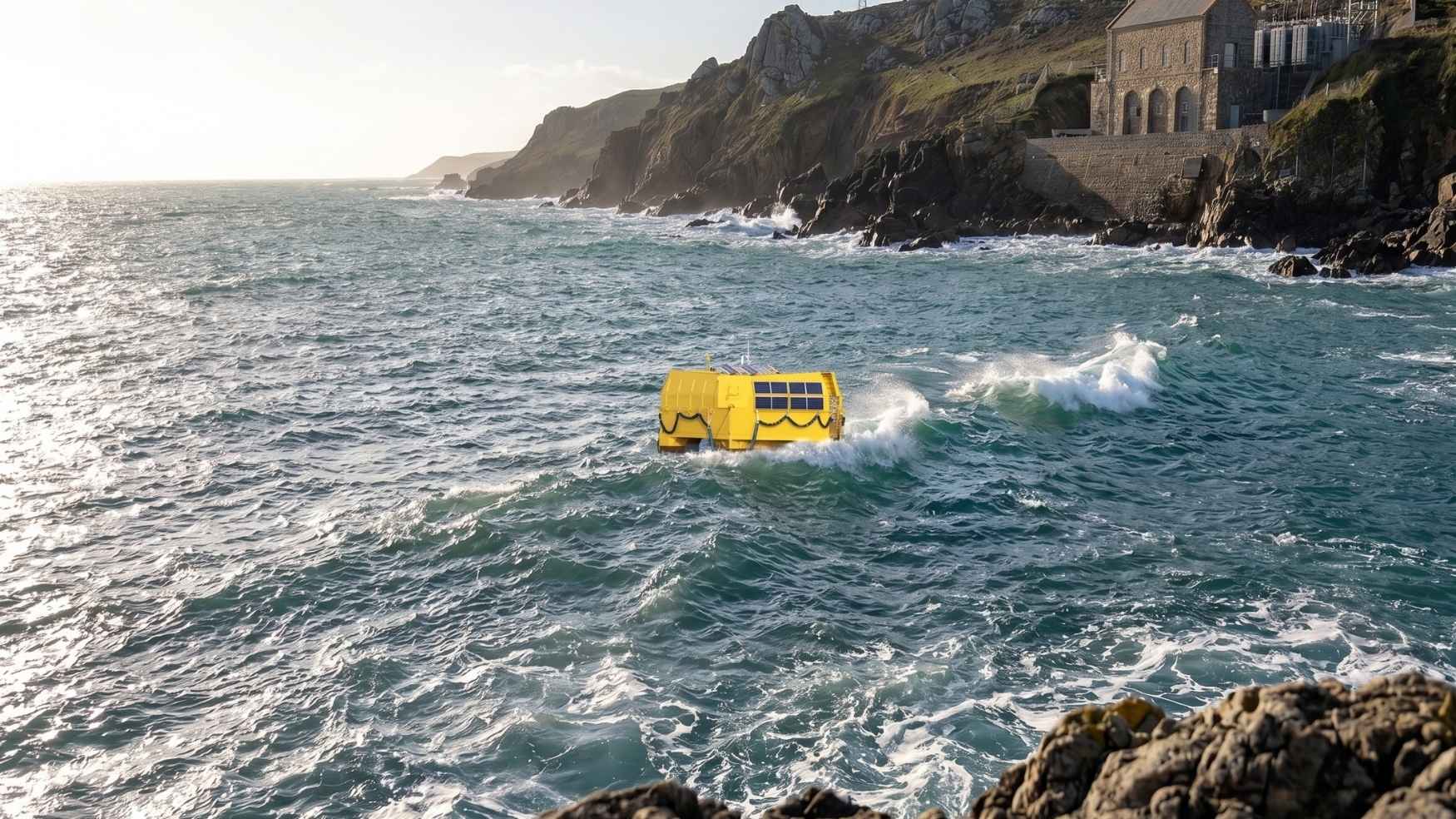
It was in 1966 that EDF inaugurated The tidal power plant from Rance in Ille-et-Vilaine. This inauguration then marks the Beginning of renewables. The mission of the factory will in fact be to convert the energy of marine currents into electricity.
It was at the beginning of the 70s that integrated electric heating was launched. Between 1974 and 1975, it was the turn of 1,000 MWh nuclear power plants. From then on, France became energy independent.
The impact of separating network management activities from those related to supply
The situation changed in the 90s, in particular because of the gradual opening of the market. Businesses and industries were the first to have the right to choose their electricity and gas supplier. In 2003, the European directive took the decision to implement the separation of activities related to the management of networks from those of supply.
This separation resulted in the creation of two network managers distribution companies including Gaz de France Réseau Distribution for natural gas and EDF Réseau Distribution for electricity.
These companies are responsible for constructing, operating and maintaining the distribution network in their respective fields for energy suppliers on the market. The names of these two managers have changed since their creation. In 2008, EDF Réseau Distribution became ERDF and Gaz de France Réseau Distribution has been renamed GRDF.
EDF and GDF are also seeing their status change. It goes from being a public industrial and commercial establishment (EPIC) to that of a public limited company (SA) in 2004.
2007: opening of the market for individuals
On July 1, 2007, The opening of the electricity market and gas for individuals is official. The aim of this liberalization was to facilitate competition at European level in order to: Offer a fair price to consumers and to guarantee security of supply.
Since the opening of energy markets to competition, numerous offers meeting different needs and adapted to all budgets have emerged and new services have been proposed. These include new pricing options and connected offers. In addition, it is now possible to compare different suppliers and their offers transparently.
Why did EDF and GDF separate?
The opening of the energy market to competition in 2007 also marked the separation of EDF-GDF. Electricité de France and Gaz de France then became two distinct and competing companies. They are the only ones who can offer regulated rates.
Although these are generally higher than the prices offered by alternative suppliers, the incumbent suppliers remain leaders in their sector of activity. Alternative gas and electricity suppliers are in fact struggling to find their place, despite the attractiveness of their offers. This can be explained by many reasons: lack of information, lack of knowledge of how to change suppliers, etc.
EDF after the separation of EDF-GDF
After the separation of the EDF-GDF group, EDF decided to diversify its offers in order to meet the needs of its customers. In addition to the EDF Blue Rate, the historical supplier offers other offers dedicated to electricity such as the Green Electric Offer (100% renewable green electricity) in 2015, Mes Jours Zen which is an offer dedicated to Linky and Digiwatt meters, a 100% digital offer.
For each offer, it is possible to choose between two options: the Base option where the cost per kWh is the same all day and the option full hours off-peak (HPHC) where the rate varies according to time slots.
EDF has also entered the gas supply market. The company then positions itself as being an alternative gas supplier to offer its Avantage Gaz, Avantage Gaz Durable and Avantage Gaz Connected offers. Note that these are essentially market offers. Their prices are therefore not regulated, but set by EDF.
What is the name of GDF today?
Gaz de France has also evolved considerably after the opening of the energy markets to competition. In 2008, the company merged with Suez to form a single entity: GDF Suez.
The company became the world leader in independent power generation in 2011. Committed to the energy transition internationally, GDF expanded its activities in 70 countries in 2014. It was in 2015 that the group changed its name and became ENGIE.
In addition to the regulated rate, the company offers a variety of gas offers including Gaz Énergie Garantie, Confort Connecté, Gaz Ajust and Gaz Tranquillité. Like EDF, ENGIE has also diversified its activities by offering electricity offers such as the Elec Énergie Garantie offer and the Élec Weekend+ offers in order to develop its customer portfolio.
The production of green electricity by ENGIE was launched in 2016. The group also offers offers combining gas and electricity at the same time: Duo Énergie Garantie, Duo Garantie, Duo Connecté, Duo Ajust, Elec Week and Gaz Ajust 2 ans, Duo Classique and Duo Tranquillité.
75 years ago, the energy sector was nationalized by the State and EDF-GDF was born. The company monopolized the management and supply of electricity and gas for several decades before the energy markets were opened up to competition.
Today, EDF and GDF (now ENGIE) are two very distinct companies. Now competing, they offer both gas offers and electricity offers. Although many alternative suppliers have emerged since the opening of the markets, Electricité de France (EDF) and ENGIE remain leaders in their field.
If you are having trouble choosing your energy supplier, do not hesitate to contact us. We will be able to suggest the contract that best suits your situation and needs. Listening, we can also suggest useful tips for consume less on a daily basis.
To go further, do not hesitate to consult our article to understand everything about The history of EDF, from 1940 to today.


Take the first step towards optimization
In a few clicks, organize an exchange with one of our experts.



weekly newsletter subscribers

4.9
