




Summarize with AI

March 6, 2026
7
Min reading
To accelerate the transition of our territories towards a decarbonized and sustainable society, the Ministry of Energy and Ecological Transition launched a call for initiatives in 2014.
The winning territories, called Positive Energy Territories for Green Growth (TEPCV), are numerous. This is an opportunity, because the program therefore makes it possible to implement a varied panel of innovative solutions at the local level.
To become a laureate, these territories meet criteria of excellence in terms of energy and ecological policies. Here is the essential thing to remember and especially to discover about these territories, which, at their level, are actors in the transformation of our society.
To limit global warming and strengthen the energy resilience In France, a reduction in our energy consumption is essential.
The winning territories use various practices and are implementing a strategy to reduce their consumption by 40%. Several initiatives have a drastic impact on the consumption of a territory:
Territories have an important role to play in the deployment of green energies because they have the right to life and death on the majority of projects EnR (renewable energies) at the local level.
TEPCVs take advantage of numerous carbon-free means of production according to the characteristics of their territory.
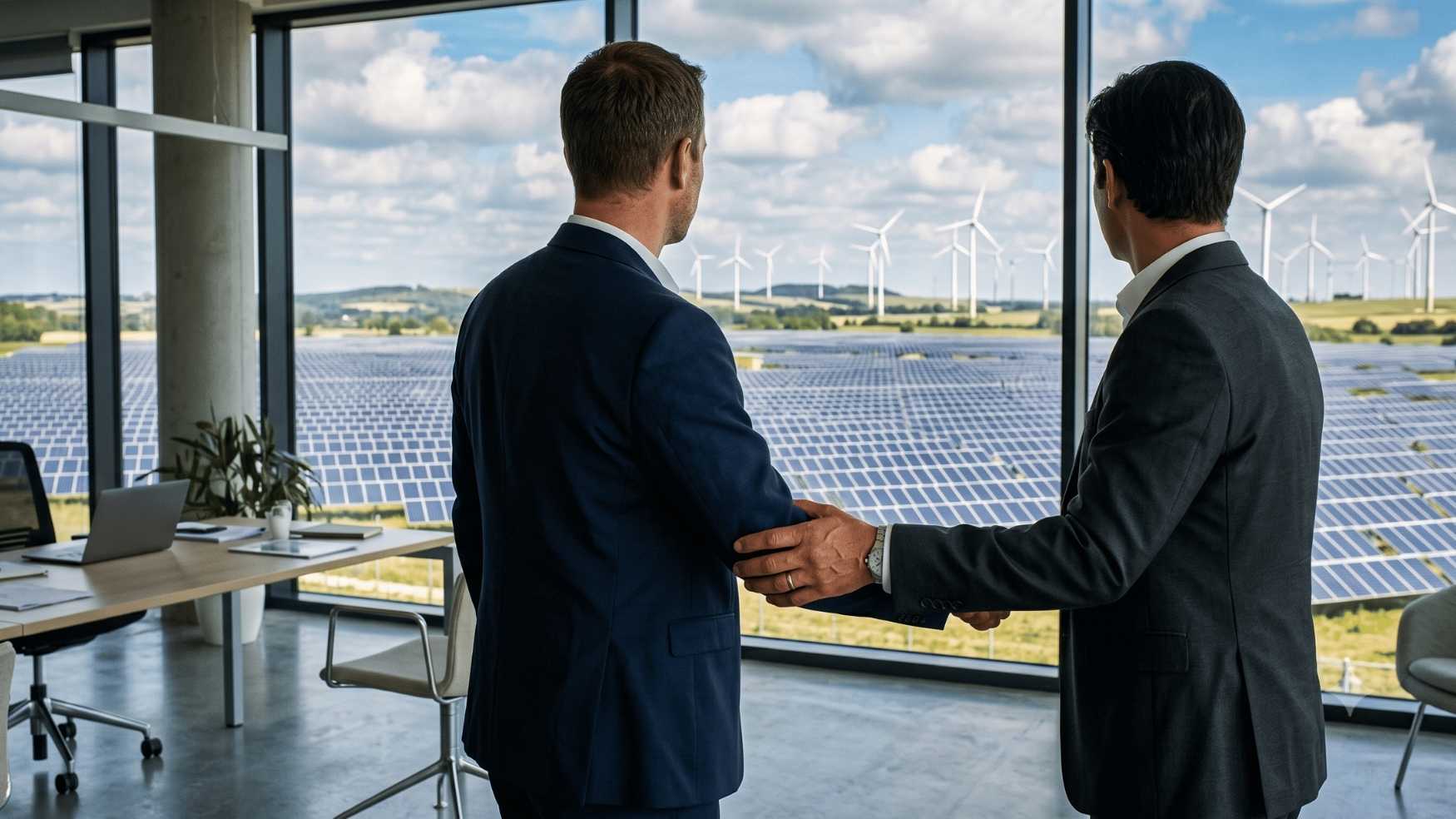
The best known remains solar energy, very flexible thanks to the different types of power plants: ground power plants, roof top stations and photovoltaic awnings on car parks (≥ 1,000 m²).

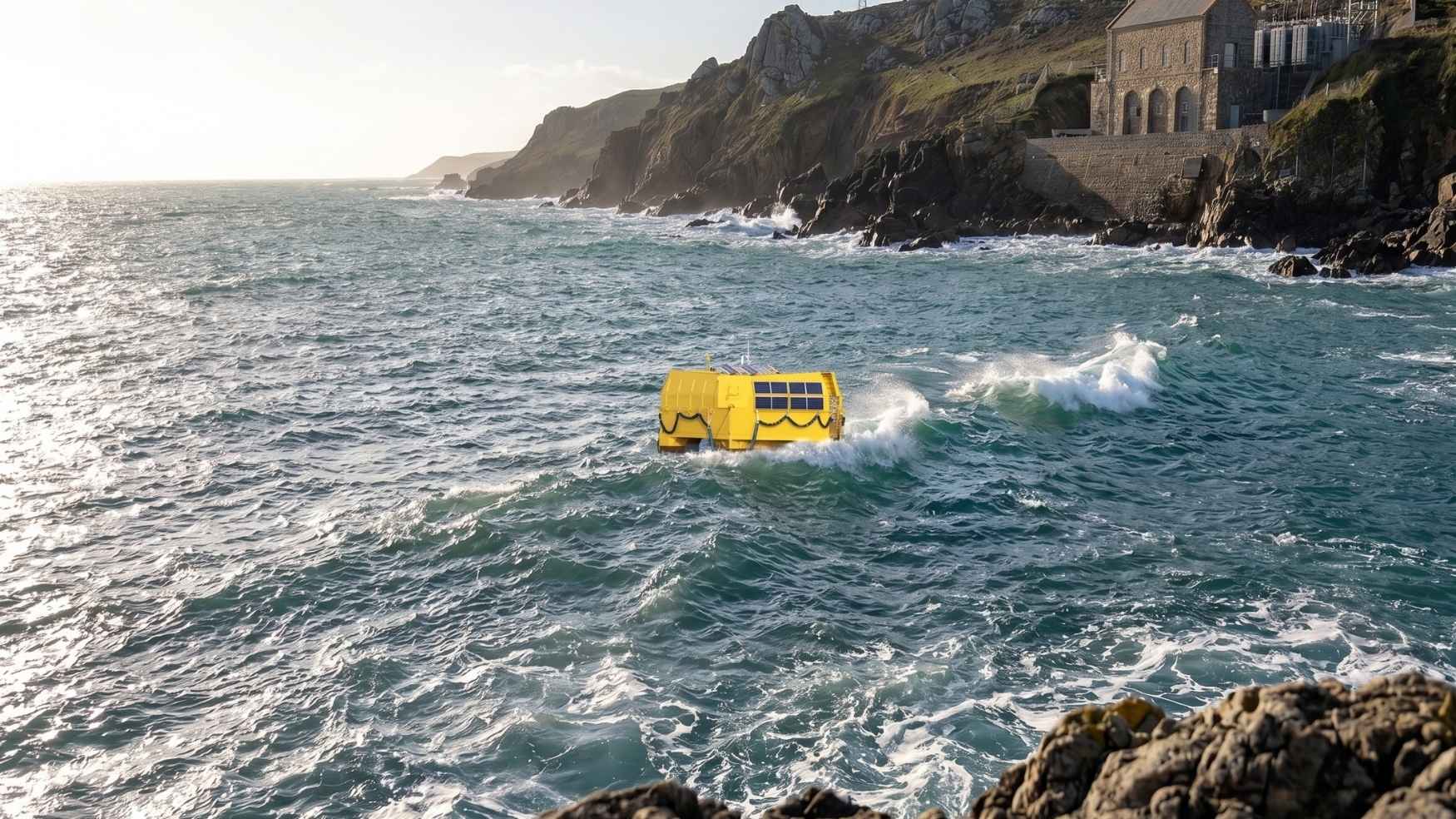
Next comes Wind energy, maritime and terrestrial, which is the subject of much debate in communities because it is a victim of prejudices (noisy, bird-killing, harmful to health, etc.).
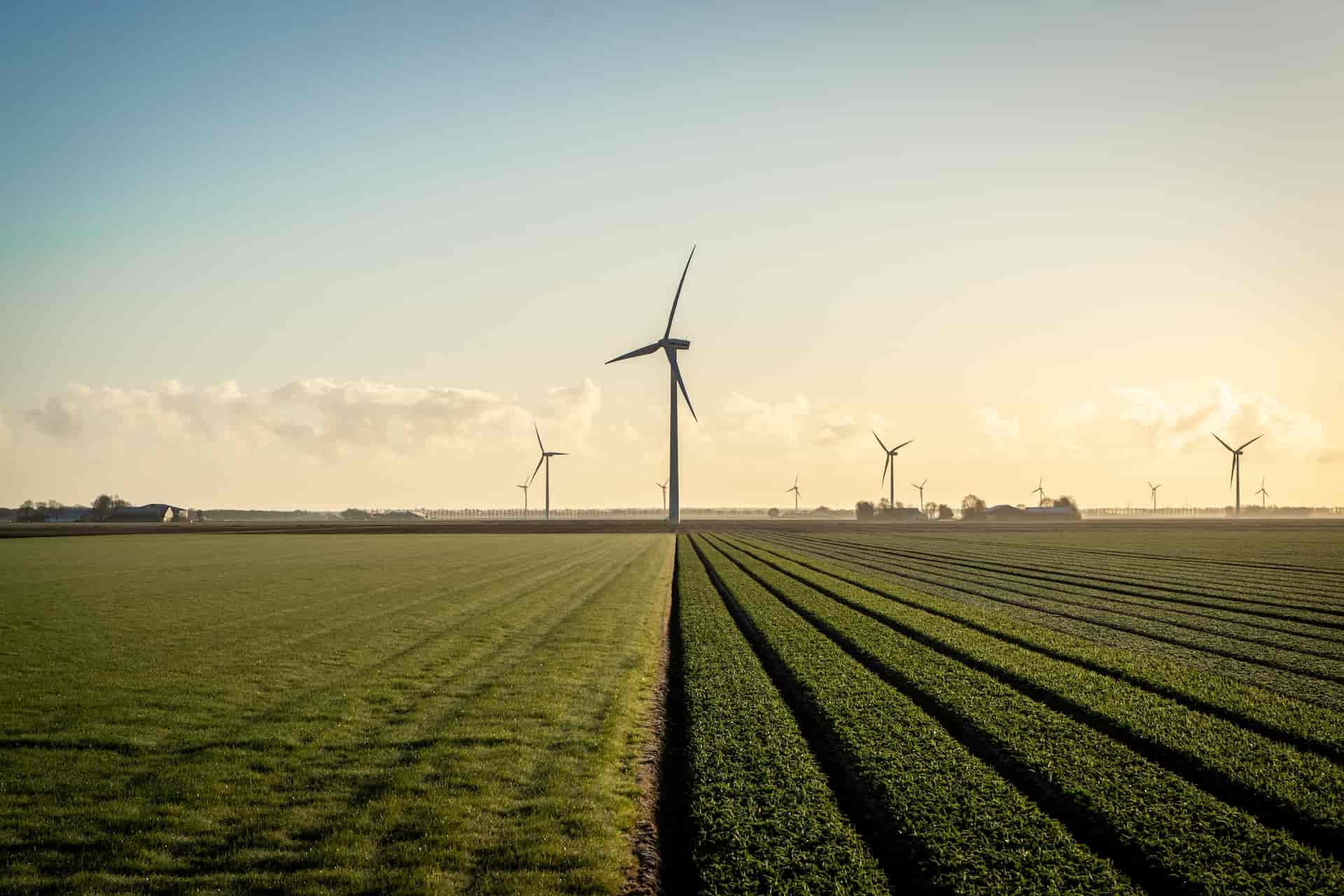
Other less common means of production are also financed by the program: biomass heat networks (heating), agricultural and industrial methanizers (heating), cogeneration (industry), geothermal energy (heating) and small hydroelectricity (Hydraulic power).
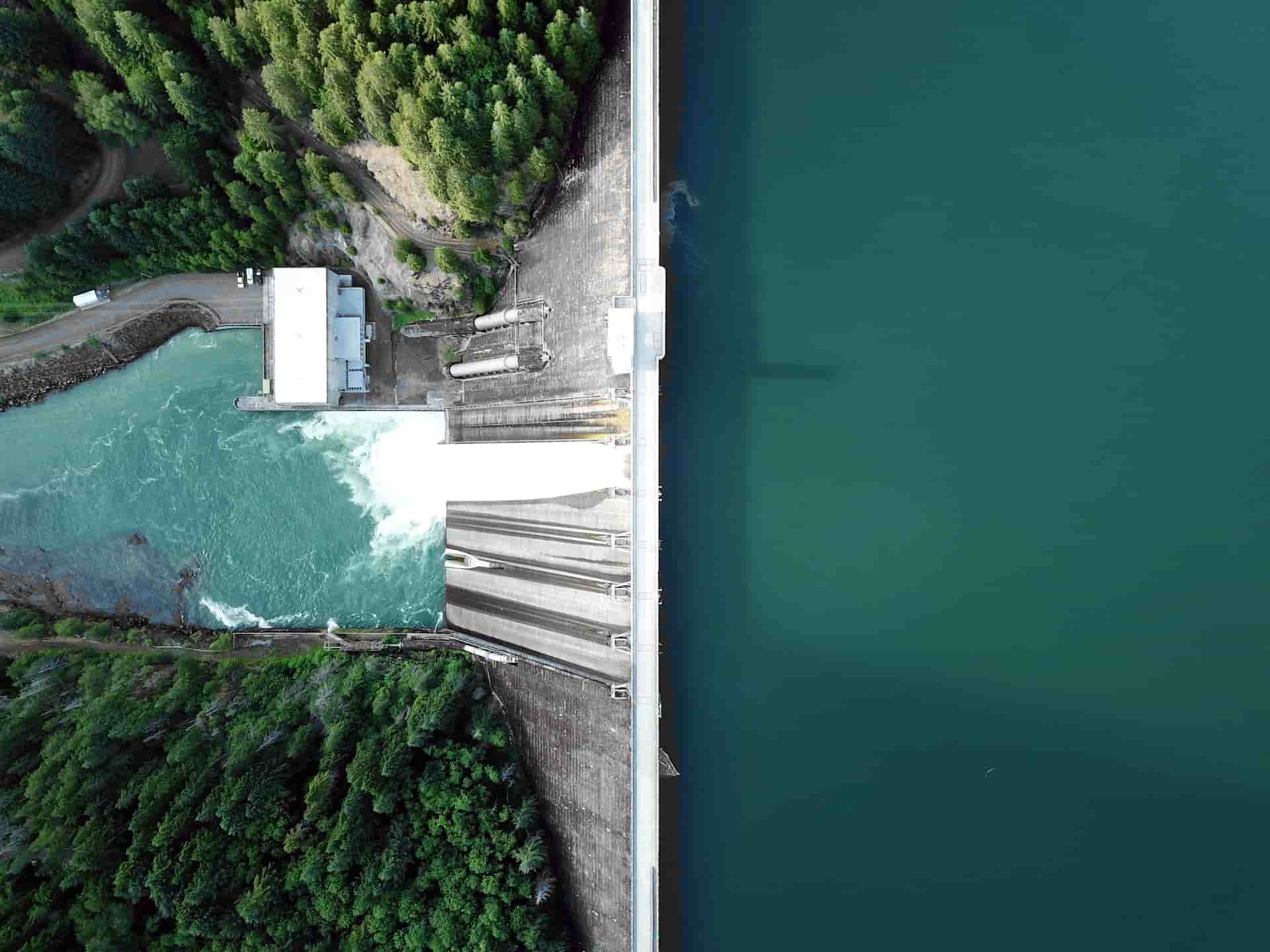
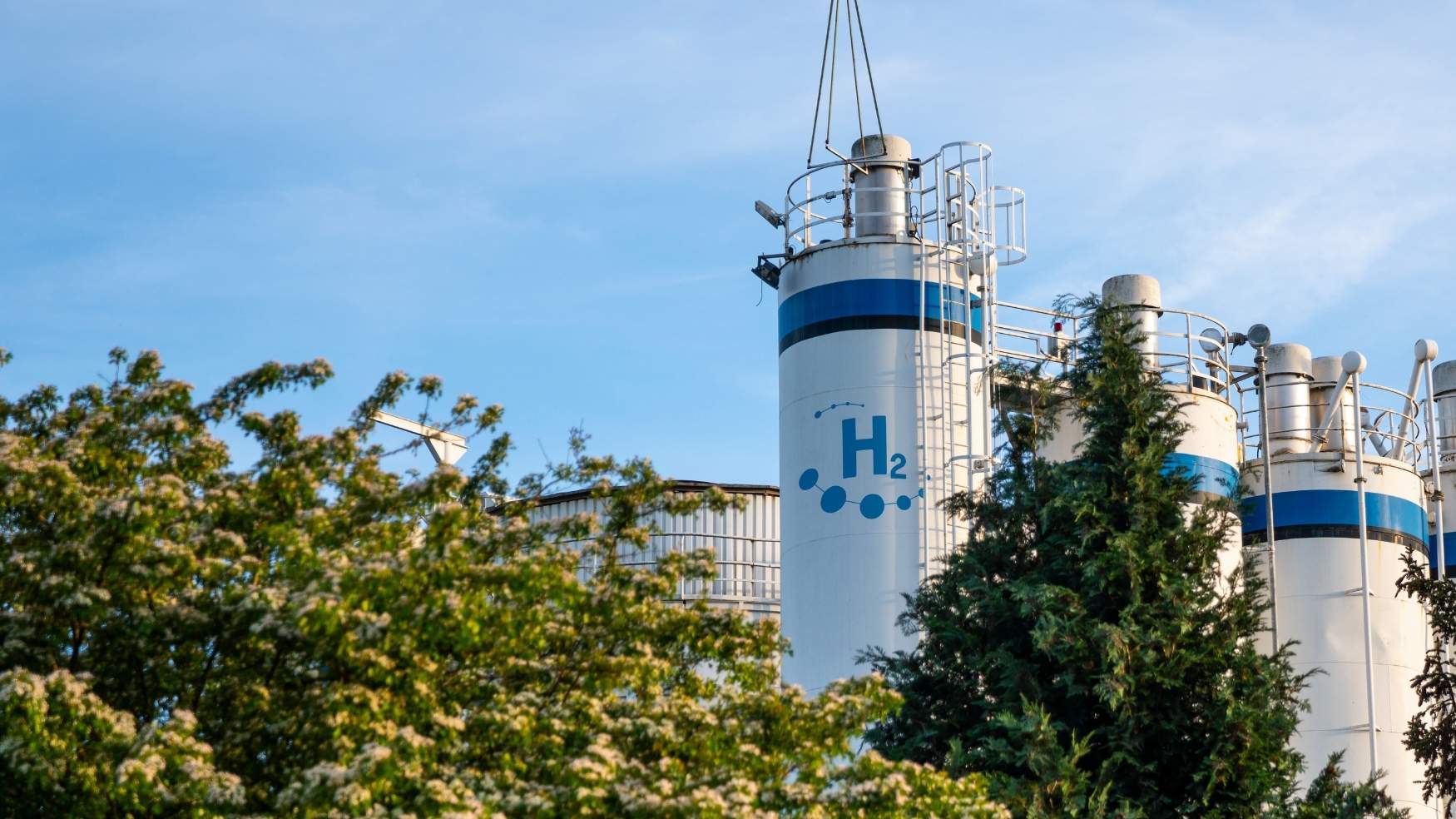
To achieve the objectives set by the government, the TEPCV must establish an energy strategy consistent with a long term vision. This involves ambitious projects to replace fossil fuels (gas, oil) using less polluting energies such as biomethane, Hydrogen and synthetic fuel oils.
Distribution networks can also be improved to accommodate the production (electricity, gas and e-fuels) of existing and future renewable energy projects, all at a local scale. In addition, the integration of intelligent electrical networks would make it possible to optimize distribution and consumption in real time on the local network.
The TEPCV receive financial assistance of €500,000 for the realization of their projects. This aid can be increased to 2 million euros if the projects are highly relevant and part of a long-term strategy.
With this financial support, the TEPCVs have been working since 2014 on the energy transition of their territory. We can therefore deduce that after 9 years of development, they were able to stand out from the crowd in the context of soaring energy prices (reduction in consumption and production of cheap green energies).
The inhabitants of the TEPCV benefit from the benefits resulting from the ambition of their territory in terms of energy transition :

TEPCV investments directly benefit local businesses. Some projects, such as the renovation of buildings and the installation of renewable energy plants, make it possible to create businesses or to develop the activity of existing ones.
It should be borne in mind that the energy transition Recovering waste hitherto seen as of little use. For example, many farms have started producing biomethane. A biomethanizer uses agricultural waste to make gas and non-chemical fertilizers. This gas can then be injected into the city network to heat homes.
In this specific case, either the TEPCV finances the project directly, or it expands the gas network across its territory to encourage operators to also produce biomethane.
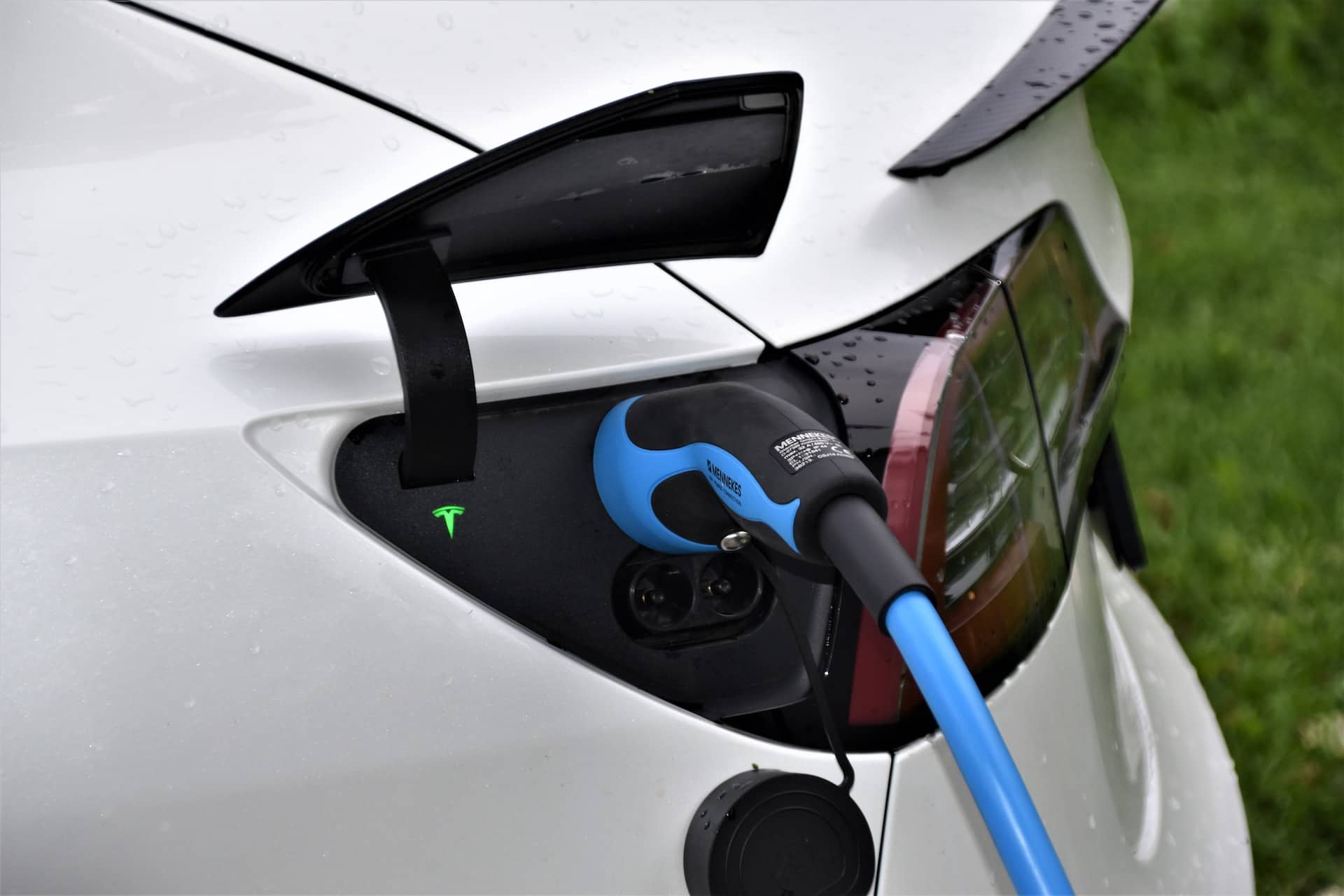
Adopting low-carbon vehicles must be a priority for TEPCVs, especially to decarbonize the most polluting public transport such as buses. Indeed, the majority of French people (69% in 2021) use the bus to get around when they use public transport. The challenge is significant for the winners with a large population pool, because we are talking about thousands of vehicles as well as adjacent installations (superchargers, hydrogen terminals).
It is in terms of infrastructure that the territories are expected to turn the corner. Without initiatives from local authorities, it is difficult for households to plan and invest in green vehicles.
It is different for businesses because they have more means of financing, but support from local authorities will accelerate their transition. Especially since the European Union will ban the sale of new combustion cars by 2035. It is imperative that municipalities anticipate the arrival of electric cars and hydrogens on the roads, it is a real added value for TEPCV.
An essential element of territorial energy planning, Heating networks represent an important challenge because France consumes 50% of its energy in heat production. For sustainable cities, positive energy territories develop, modernize and extend heating networks by orienting them towards renewable and recovered energies. Several processes exist to optimize these networks:
Refrigeration networks are also required to develop at the initiative of the territories. Less energy-intensive but with increasing demand due to the increase in summer temperatures (and urban heat islands), municipalities must increase the share of renewable energy in their energy mix to decarbonize their refrigeration networks.
Positive energy territories face numerous technical challenges that require a wide range of skills, ranging from energy purchase strategies to urban heat/cold networks. For this reason, territories must be able to To form And to be Accompanied by experts to assist them in these projects.
Legislation, which is very cumbersome and very complex, also considerably complicates the energy transition. Despite the law on the acceleration of renewable energies, all the projects mentioned above require extensive studies and sometimes face strong opposition, extending the duration of the implementation of projects.
Beyond technical issues, these projects represent a great opportunity to develop the attractiveness of territories and to give a greater role to local authorities in the energy transition.
To achieve the goals set by the EU and the Paris Agreement, the TEPCV need massive funding. Government funding is important but is only intended to be the launching pad for the energy transition. Businesses and individuals must also participate in this national effort.
Coordinating all actors and projects in a coherent manner will prove difficult for territories and government agencies. It is necessary Plan investments over long time scales, of 10 to 25 years, and this despite political upheavals.
Fortunately, there is consensus on climate change among the various political groups. It remains to find solutions that also reach consensus at the local level, which is far from easy.
The Positive Energy Territories for Green Growth (TEPCV) are making a strong and necessary commitment to France's energy transition. By developing the use of simple technologies, renewable energies and new methods of energy management, they are part of pioneers of transition at the local level. These investments are already making it possible to reduce our greenhouse gas emissions and give committed municipalities prospects for economic, social and environmental development.
At the level of an individual or a company, numerous solutions exist to reduce energy consumption and get closer to carbon neutrality: Low Techs, solar power plants, electrification of uses... (and many others to be found on our site!).
In a few clicks, organize an exchange with one of our experts.


weekly newsletter subscribers

4.9

.png)

Le calendrier 2026 impose deux échéances majeures :
Pour simplifier ces démarches, vous pouvez centraliser vos données de consommation avec la plateforme Pilott de Sirenergies, garantissant ainsi la conformité de vos rapports réglementaires.
It allows you to prove your commitment to the energy transition and to meet regulatory requirements.
Les caves coopératives de taille ETI ou grande entreprise peuvent être soumises à l'audit énergétique réglementaire (norme NF EN 16247). Sirenergies n'a ni la compétence ni l'accréditation pour réaliser cet audit : nous vous orientons vers un bureau d'études partenaire accrédité, et vous accompagnons en amont sur vos achats et en aval sur le pilotage.
La réussite d'un projet collectif énergie repose sur trois piliers fondamentaux :
Les coopératives de taille ETI ou grande entreprise peuvent être soumises à l'audit énergétique réglementaire (norme NF EN 16247). Sirenergies n'a ni la compétence ni l'accréditation pour réaliser cet audit : nous vous orientons vers un bureau d'études partenaire accrédité, et vous accompagnons en amont sur vos achats et en aval sur le pilotage.
Yes. The supplier guarantees an offer 100% renewable via the official Guarantees of Origin (GO) mechanism.
For the most demanding companies, the offer GREENVOLT+ ensures very low carbon intensity electricity, sourced exclusively from independent French producers (hydraulic, wind, solar).
To calculate Scope 2 emissions, use the following formula:
Energy quantity (kWh) × Emission factor (kg CO₂ e/kWh).
Use databases like ADEME for precision.
The range E @sy is available in four pricing structures to adapt to each risk profile: