






Summarize with AI

October 29, 2026
8
Min reading
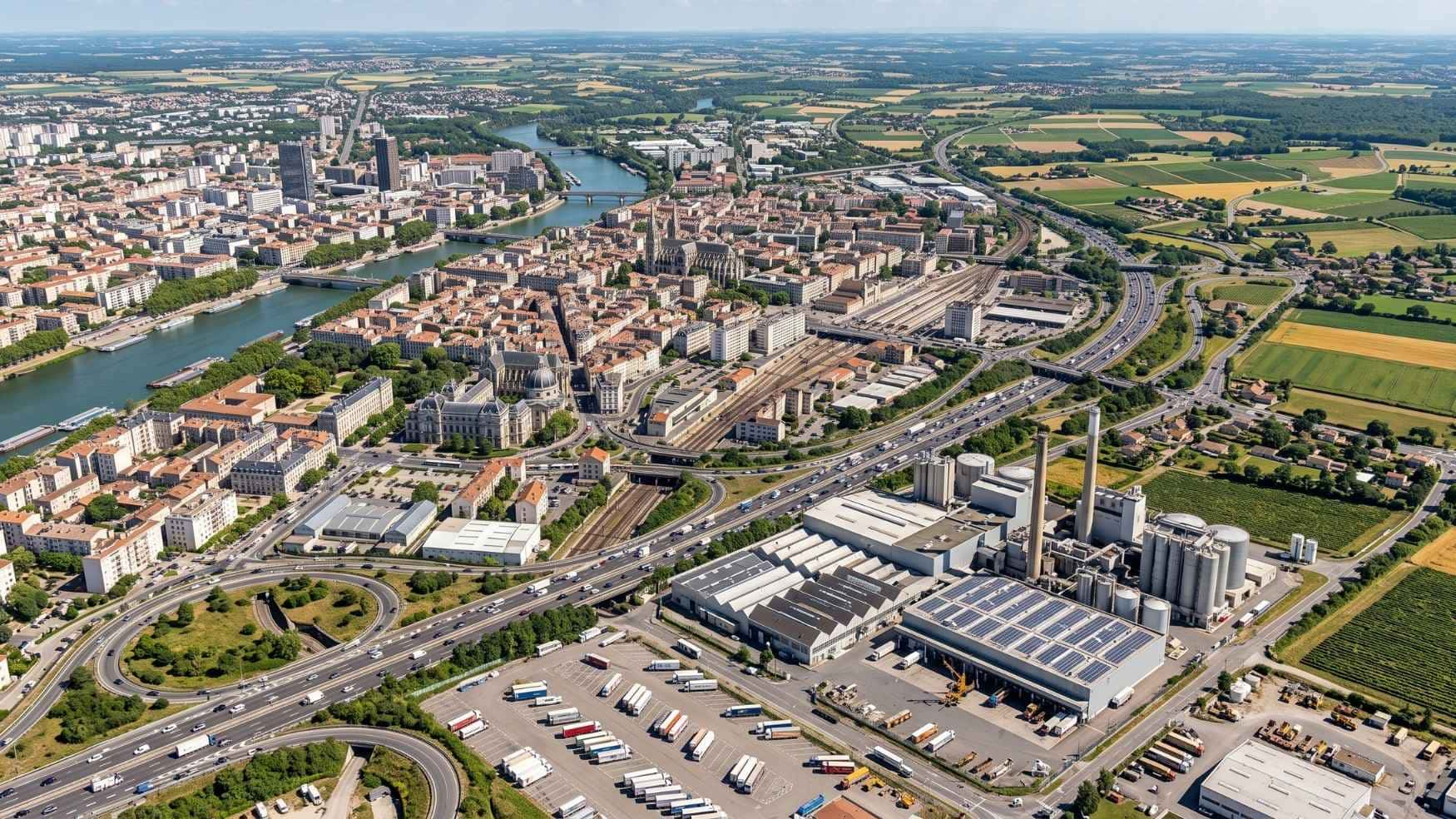
60 billion euros. That is the cost of French oil and gas imports. At the same time, France exports nearly 20% of its low-carbon electricity production. This imbalance weighs on the trade balance, decarbonization goals, and energy sovereignty.
To address this, the government launched the "Let's Electrify France" plan on April 23, 2026. Its 22 measures share a single goal: to accelerate the replacement of fossil fuel usage with electricity. For businesses, this transformation is far from theoretical. It directly impacts investments in buildings, mobility, and industrial processes.
The first measures take effect in June 2026. What new aid is available to electrify your business? What deadlines should you anticipate? How can you manage your strategy? Sirenergies is here to support you in the electrification of your operations.
The electrification of usage plan, launched on April 23, 2026, includes 22 measures to accelerate the replacement of fossil fuels with electricity in businesses. It targets three sectors: buildings, mobility, and industry. Starting in June 2026, new financial aid (Energy Savings Certificates, ADEME calls for projects) and regulatory measures will come into effect to support this transition.
Key takeaways:
The electrification of usage plan marks a new stage in France's energy transition strategy. Its objective is clear: to accelerate the shift to electricity, an energy source considered "cheaper, more sovereign, and more sustainable."
The electrification plan is a continuation of the third Multiannual Energy Program. The PPE 3 places electrification at the heart of the energy transition, relying on a nuclear-renewable energy mix.
It is against this backdrop that the government launched the "Let's Electrify France" program on April 23. This roadmap details 22 measures aimed at all consumers: individuals, businesses, local authorities, and industries.
The strategy is based on a gradual reduction of fossil fuels, alongside an increase in the share of electricity in final consumption.
The trajectory is ambitious, in line with the RTE rapid decarbonization scenario :

France is not alone in this strategy. At the European level, the Commission is preparing theElectrification Action Plan, expected in the summer of 2026.
This future plan focuses its efforts on three key sectors: industry, transport, and buildings. It also provides for investments in electrical grids to strengthen their flexibility and the integration of renewable energies.
All businesses are affected by electrification, regardless of their size or sector of activity. To accelerate the momentum already underway, the framework combines financial incentives with regulatory changes.
Priority given to heat pumps
Replacing equipment that runs on gas and oil is a priority. For building heating, the heat pump is the technology promoted by the electrification plan.
In the commercial sector, this choice contributes to meeting the objectives of the Tertiary DecreeWith a higher efficiency than fossil fuels, heat pumps reduce energy consumption while ensuring better thermal comfort.
Collective heat pumps are eligible for CEE subsidies (BAT-TH-163 and BAT-TH-164). From September 2026, only certified solutions that are partially assembled in Europe will remain eligible.
Regulatory measures of the electrification plan
Regarding buildings, the electrification plan is tightening the regulatory framework. Two decisions aim to discourage the use of gas:
Transport is one of the fastest levers for electrification for businesses.
Financial support and infrastructure: the two keys to accelerating electric mobility
Greening professional fleets is already a requirement. The electrification plan intends to go further by targeting intensive mobility and vehicles that are expensive to electrify.
It is structured around two main areas:
What subsidies are available for electrifying professional mobility in 2026?
In the industrial sector, the potential for electrification is massive. Nearly 60% of fossil fuel usage could already be electrified. Technical solutions exist, but their adoption remains slow. The plan aims to increase the share of electricity from 37% in 2023 to 47% by 2030.
The three levers for industrial electrification
The plan relies on three complementary levers:
What subsidies are available for electrifying industrial processes in 2026?
Switching to electric is not just about replacing equipment: it is a strategic transformation that requires preparation and support.
Electrifying your equipment requires securing your energy sourcing in advance. The goal: to negotiate an electricity price that is controlled, transparent, and compatible with your future usage.
As a business, you have a choice between several purchasing strategies:
France enjoys a structural advantage, with electricity that is 95% decarbonized and competitive. By 2027, the wholesale price is estimated to be around €55/MWh, compared to €91 in Germany and €101 in Italy.
Need to secure your electricity price and reduce your energy bills ?
{{ask-sourcing="/ctas"}}
Mapping consumption is essential to determine which equipment or processes to electrify first.
An energy audit, supplemented by targeted technical and financial studies, identifies:
An electrification strategy depends on your consumption profile, technical and operational constraints, budget, and available subsidies.
Three approaches are possible:
Would you like support in defining your electrification strategy?
{{ask-conseil="/ctas"}}
The electrification plan offers new financing opportunities by strengthening two main levers:
Companies should not overlook other financial support:
Like any project, the electrification of usage is a continuous process.
New habits will allow you to get the most out of it, both energetically and financially:
The Pilott application by Sirenergies supports your electrification strategy. Create a personalized account and access spot and market prices, as well as tracking of your consumption with a one-day lag.
{{ask-pilott="/ctas"}}
The "Electrify France" plan outlines a new energy trajectory. For businesses, the challenge goes beyond replacing gas or oil-powered equipment. Electrifying your operations is a strategy that must be built and managed: securing electricity contracts, optimizing costs, managing consumption, and more.
The aid announced in 2026 opens a window of opportunity to accelerate your company's energy transition. Seizing it not only allows you to decarbonize your operations but also strengthens your competitiveness and resilience in the face of economic and geopolitical tensions.
Ready to electrify your operations? Sirenergies supports you in building a tailored electrification strategy, securing your energy purchases, and turning the energy transition into a driver of performance.
{{ask-rdv="/ctas"}}
"The Sirenergies firm understands the energy challenges of industrial sectors involving energy-intensive processes and heavy use of production facilities. They are committed to working alongside us to address our economic, technical, and environmental issues in a challenging context, through their expert advice and high-performance monitoring tools."
- Cyril Abegg, CEO, Groupe Lamberet - Discover all client testimonials
In a few clicks, organize an exchange with one of our experts.


weekly newsletter subscribers

4.9
