





Summarize with AI

January 27, 2026
4
Min reading
Solar, wind, hydroelectric, biomass, etc. The renewable energy sources are numerous and varied. The exploitation of each of them is intended to facilitate the energy transition and to prevent/solve certain environmental problems.
However, even if they all have the particularity of being low-polluting with a considerably low environmental impact, some renewable sources are greener than others. So which is the most environmentally friendly?
Hydroelectric power appears to be one of the most ecological renewable energies of the moment. This energy provided by hydroelectric power plants is in fact obtained through the exploitation of water trapped in hydraulic dams. The latter, coming from a natural watercourse, contains kinetic and potential energy which is then operated by the power plant to produce electricity.
However, beyond its mode of production, it is the quantity of CO₂ emitted by Hydraulic power during its transformation which makes it a highly ecological energy. In fact, a hydroelectric power plant does not emit more than 10 gCO2e/kWh.
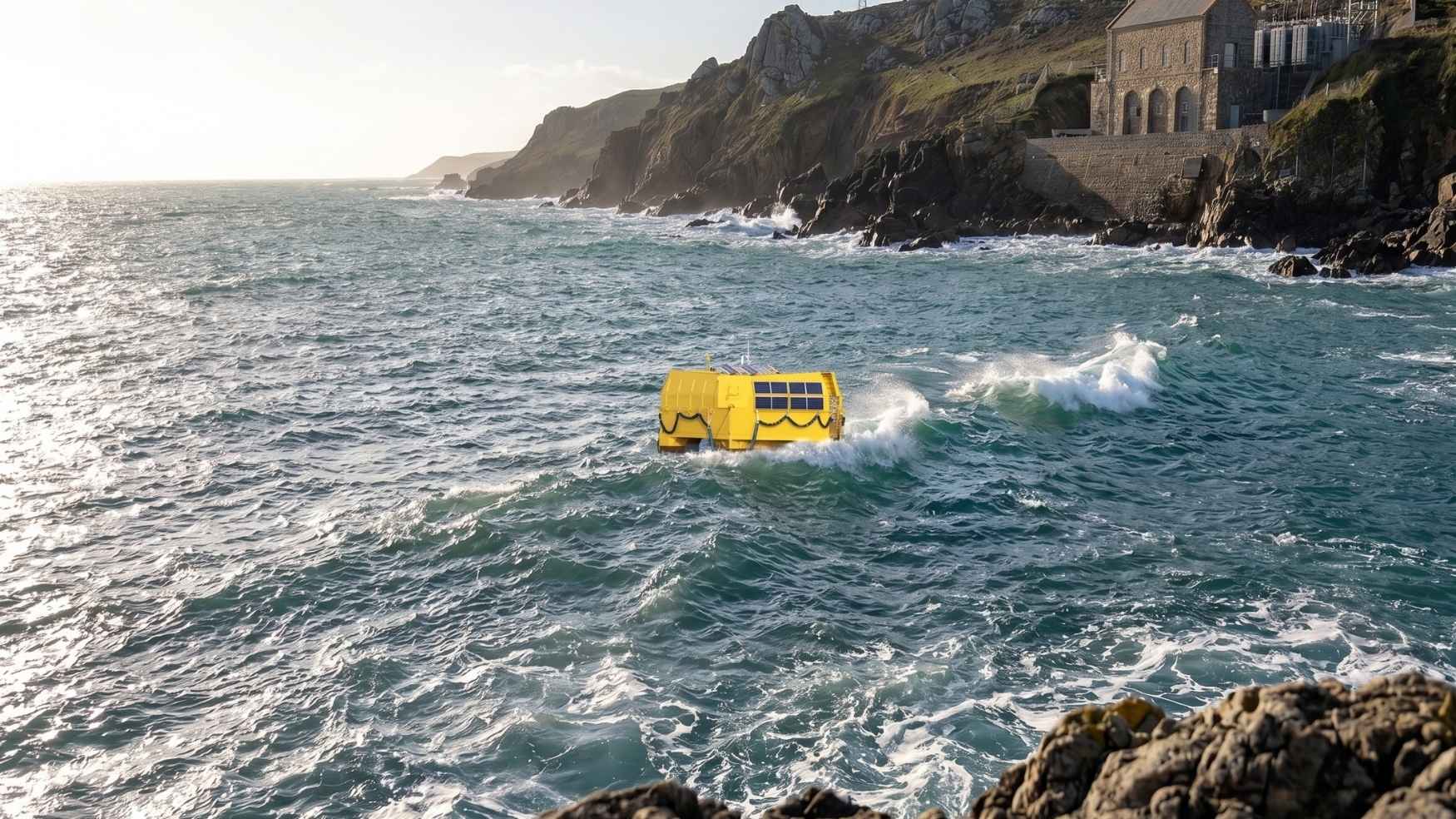
In addition, tidal energy (produced by offshore wind turbines), which releases only 9 gCO2e/kWh, is also Ranked among hydraulic energies.
Also to read: Pumped energy transfer stations (STEP)
Inspired by windmills, wind turbines produce energy by exploiting the kinetic energy of the wind. They are generally installed on land (onshore wind turbines) or on water (offshore wind turbines).
When on land, wind turbines produce energy by releasing 10 gCO2e/kWh. This classifies them as The second most ecological energy just after hydroelectricity. Better still, wind is an inexhaustible resource.
The only problem is that wind turbines only produce energy when there is enough air mass to make their blades rotate. This leads consumers to plan for a secondary energy source if they want to be able to benefit, for example, from green electricity full time. In addition, for their installation, Wind turbines use very large spaces.
Geothermal energy consists of Harnessing the heat from the basement to produce energy. The heat of the rocks increases by 1 °C on average every 30 m deep.
Depending on its capture depth, geothermal energy can be used to supply heat pumps, for heating or to produce electricity. In other words:
Geothermal energy is a renewable energy. However, its production releases about 38 gCO2e/kWh and, in order to maintain its sustainability, it is necessary to ensure that the speed at which heat is captured is equal to the speed at which it circulates inside the earth.
As the name suggests, solar energy is produced from the sun. She may be Photovoltaics or thermal.
Photovoltaic solar energy is produced from Photovoltaic cells whom convert solar radiation into electricity. The electricity produced in this way can be used directly or stored on batteries.
Thermal or thermodynamic solar energy is also produced from solar radiation. However, the energy produced is used to heat a fluid. In this case, it is not necessary to convert the recovered heat before use. Better still, the addition of a concentration system can make it possible tooptimize the heating of the fluid.
If the Sun is a renewable resource, durable and inexhaustible, we must not forget that it only appears intermittently. In addition, the performance of the panels Photovoltaics is low even though the level of CO₂ emitted reaches 55 gCO2e/kWh. This rate includes all the grey energy that must be deployed before producing solar energy photovoltaics.
Solar thermal energy, on the other hand, is more environmentally friendly, as it can be produced even on a cloudy day and it is quite easy to keep the heat in a hot water tank. It is sufficient that it is well insulated.
It is impossible to talk about ecological energy without mentioning Nuclear energy whose production causes only 6 gCO2e/kWh. It is produced from uranium extracted in rock and then transformed in nuclear power plants.
Recognizing the climate emergency, SirEnergies offers professionals and businesses the opportunity to limit the ecological impact in terms of energy.
We have made the choice to work with key players in solar photovoltaic to offer you support solutions dedicated to your photovoltaic self-consumption projects.
In a few clicks, organize an exchange with one of our experts.


weekly newsletter subscribers

4.9

.png)

The range E @sy is available in four pricing structures to adapt to each risk profile:
Yes. The supplier guarantees an offer 100% renewable via the official Guarantees of Origin (GO) mechanism.
For the most demanding companies, the offer GREENVOLT+ ensures very low carbon intensity electricity, sourced exclusively from independent French producers (hydraulic, wind, solar).