

Metallurgy, melting, and hot forming: heat treatment
Heat treaters, make every furnace cycle profitable
On a Friday night, a carburizing furnace might be kept at temperature to be ready for Monday. Whether using gas-atmosphere furnaces, electric vacuum furnaces, or induction hardening, the energy cost of heat treatment is determined cycle by cycle. Sirenergies adjusts your subscribed power levels and advises you on the best time to buy.


Key industry figures
Furnace efficiency, grid, and subcontracting: industry benchmarks
A heat treatment workshop sells furnace time, and every hour of heating or holding is paid for in gas or electricity. These orders of magnitude form the basis of a purchasing strategy aligned with your actual cycles.
Maximum share of furnace fuel energy converted into useful heat
Average increase in TURPE high-voltage and low-voltage rates as of August 1, 2026
Share of metal treatment and coating invoices limited to the service provided
The energy profile of a heat treatment workshop
Heating, temperature maintenance, and quenching share the bill
The reality: a furnace that consumes energy even when idle
Annealing, quenching and tempering, carburizing, nitriding: treating a part means bringing it to a precise temperature, holding it there, and then cooling it. Atmosphere furnaces are often gas-heated via radiant tubes; vacuum furnaces, resistance tempering furnaces, induction hardening, and cooling units draw on electricity. Between loads, maintaining temperature impacts both energy sources. Heat treatments account for 7% of invoicing in the metal treatment and coating sector (Insee Focus No. 293, 2023, 2021 data).
Our role: linking energy prices to furnace scheduling
Combustion, insulation, and furnace selection are matters for your teams and manufacturers. Sirenergies advises your management on the cost of each cycle:
- TURPE (public electricity grid usage tariff) subscribed power levels set period by period;
- a daily gas capacity, under the ATRD (third-party access to gas distribution networks) framework, adjusted to the burners in operation;
- a purchase prepared according to the load and shutdown schedule, tracked at D+1 in Pilott.

Your energy challenges
The 3 energy challenges for heat treatment workshops
Furnaces that stay hot between loads, induction hardening that causes reactive energy to appear on the bill, quotes where energy is included without being measured: heat treaters are familiar with these three issues. For each, Sirenergies offers a contractual and quantified response, without touching your furnace settings.
Long-cycle batch furnaces
Annealing, quenching, or carburizing cycles can last for several hours, making it difficult to balance off-peak and peak hours to keep costs down.
Energy audit and off-peak/peak hour scheduling
Sirenergies analyzes your furnace cycles to optimally align your heating phases with the most cost-effective tariff periods.

Poorly calibrated subscribed power
A subscribed power contract that is poorly adjusted to the actual cycles of batch and continuous furnaces leads to excess power penalties or inflated subscription costs.
Subscribed power recalibration
Sirenergies monitors your load profiles via Pilott and fine-tunes your subscribed power to perfectly match your production cycles.
Unrecovered heat
The heat released by heat treatment furnaces is rarely recovered, even though technical solutions exist to preheat combustion air or supply other site uses.
Support for heat recovery
Sirenergies guides you toward best practices and the right technical partners to recover this heat, in addition to optimizing your contracts.
Contractual and data expertise
Optimization and management of contracts for your heat treatment sites
From gas radiant tubes in carburizing furnaces to electric vacuum furnaces, Sirenergies supports you with both energy sources in your workshop. Your metallurgists set the cycles; our consultants translate them into subscribed power, purchasing strategies, and indicators, workshop by workshop.
Contractual and capacity audit
Review of your electricity and gas contracts and their deadlines, monitoring of subscribed power and daily capacity in relation to your temperature ramp-ups, annual analysis of excise duties, and identification of CEE (energy savings certificate) sheets applicable to your furnaces.
Purchasing strategy and competitive bidding
Consultation with our partner suppliers on a profile that also consumes energy at night and on weekends, clause-by-clause comparison of offers and recommendation notes, followed by an opinion on each price proposal from your supplier. We have no capital ties with them.
Distribution optimization (TURPE / ATRD)
Gas: ATRD daily capacity adjusted to your atmosphere furnace burners. Electricity: TURPE option and power levels per period aligned with your night-time holding, and monitoring of reactive energy from inductors. We handle the procedures with network operators.
Tariff modeling for oven cycles
Cost of each cycle simulated according to time, season, and energy source, the impact of an electric vacuum furnace versus a gas furnace on the total cost, including transport and excise duties, budget projection, and flexibility study, with support for its valuation.
Pilott software platform
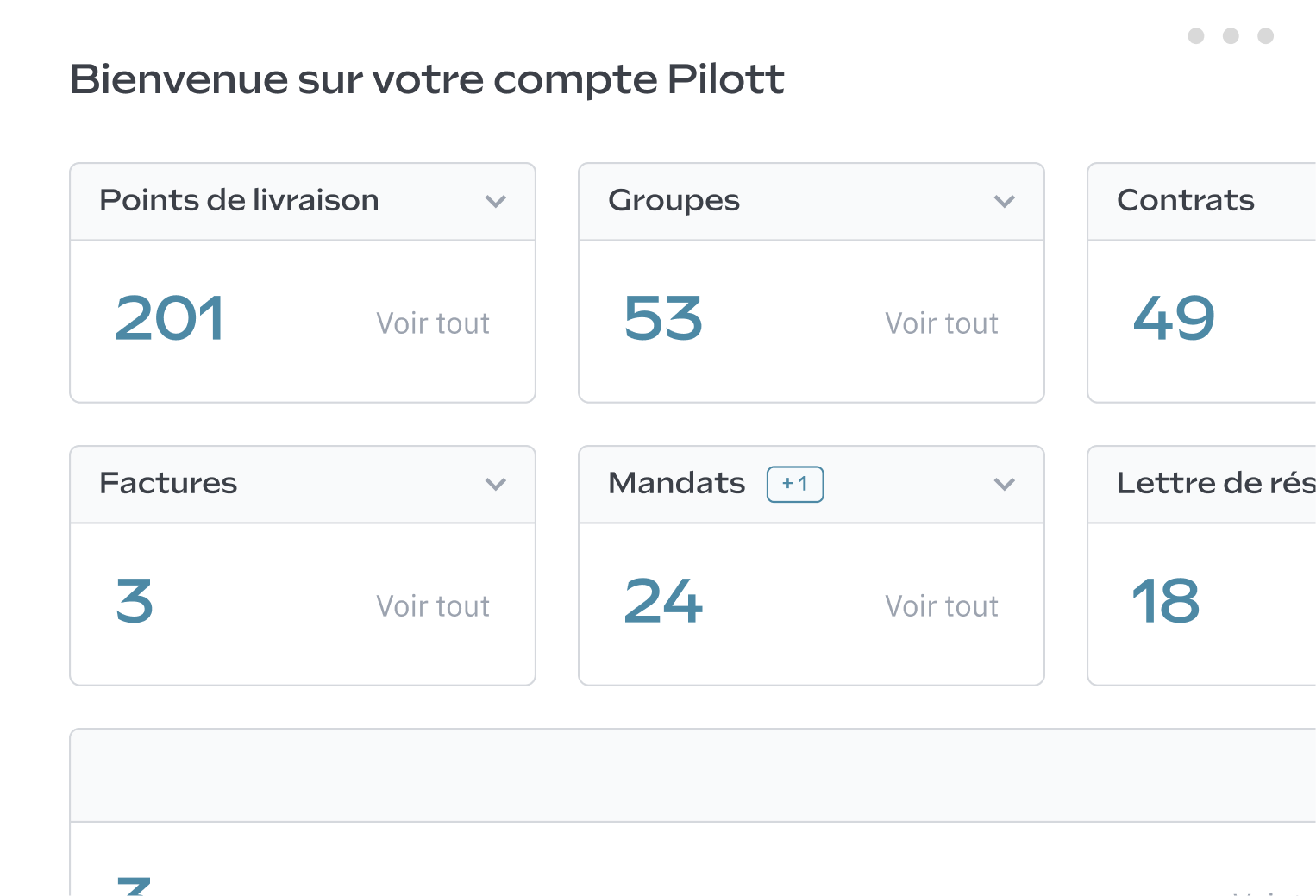
Consumption of each workshop at D+1, including night and weekend holding, price alerts for electricity and gas, centralized contracts and documents, and CSV or API export to your costing tool.
Expert consulting dedicated to heat treatment
A dedicated consultant who understands batch and continuous furnaces, tracks your deadlines and coverage levels, keeps you informed of regulatory changes (excise duties, TURPE, CEE), and builds an energy cost per treated ton indicator with you.
Our platform
Pilott, simplified management to track your consumption
- Track every workshop and every meter, both electricity and gas, on a single screen
- Identify the very next day what a furnace that remained hot over the weekend has consumed
- Be notified when gas or electricity reaches your target price
- Build your energy budget and find all your contracts in one place



Metallurgy, smelting, and hot processing
Explore other processes
Un autre secteur ?


Methodology and definitions
What is energy consulting for a heat treatment workshop?
In a heat treatment workshop, the carburizing furnace is often paid for in gas and the vacuum furnace in electricity, with a line of taxes for each that no one ever reviews. Energy consulting here consists of verifying the excise duty on electricity (formerly TICFE), the excise duty on natural gas (formerly TICGN), and the CTA (contribution to the tariff for the use of the network) applied, supporting the purchase of both energy sources, and linking the expense to each cycle. Sirenergies consultants carry out this work using the Pilott platform.
The context
In 2024, industrial facilities consuming less than 2,000 MWh of electricity paid 2.6 times more per megawatt-hour than those consuming more than 20,000 (Insee Première No. 2095, February 2026). For a medium-sized workshop, every line on the invoice therefore counts double.
- Monitor: excise duties and CTA reviewed annually on your invoices.
- Adjust: power levels by period and gas capacity aligned with actual cycles.
- Measure: consumption data at D+1 linked to each processing family.

How much does the energy for a load coming out of your furnace cost?
A review of your contracts and load profiles will identify your room for improvement. No obligation.

