

Metallurgy, melting, and hot forming: forging and stamping
Forges: reduce the cost of every heated billet
A steel billet enters the press seconds after leaving the heater. From electric induction for small parts and gas furnaces for heavier ones, to presses that trigger high power spikes: Sirenergies provides expert advice on optimizing energy for your industrial forge, from procurement to delivery.


Key industry figures
Heating, presses, and the grid: key metrics for a hot forge
In a forge, energy costs are primarily incurred before the press stroke, during the metal heating phase. Knowing the consumption of each heater or furnace provides the foundation for a contract tailored to the actual pace of your production runs.
Mass of steel brought to forging temperature per kWh of induction, at best
Power of the burners in a large gas furnace left with the door open
Approximate number of employees in the French forging industry in 2024
The energy profile of a forge
Billet heating and press strokes define the bill
The reality: two ways to heat, two types of energy to purchase
Before being forged or stamped, the metal is brought to temperature. Parts weighing a few kilos for the automotive industry pass through induction heaters, often the site's primary electricity use; heavy parts for the aerospace or rail sectors remain in gas reheating furnaces. Presses, hammers, and compressed air add brief but high power demands. One detail carries significant weight: an inductor poorly suited to the diameter of the billets can waste 20 to 40% of the energy consumed (CETIAT for the Forge Fonderie Federation, 2023).
Our role: paying the right price for every heating cycle
Inductors, furnaces, and settings remain the responsibility of your teams and manufacturers. Sirenergies advises your management on three levers:
- electricity and gas procurement strategy aligned with your order book;
- subscribed power and TURPE (public electricity network usage tariff) options recalibrated to press peaks, for both medium and high voltage, and gas distribution network access (ATRD) capacity adjusted for furnaces;
- study of shiftable heating processes, with support for demand response monetization.


Your energy challenges
The 3 energy challenges for forges and stamping workshops
Heating that uses electricity or gas depending on the parts, night shifts that only pay off if the contract is right, and presses where peak demand costs more than the energy itself: three issues blacksmiths know well. Here is how Sirenergies turns them into procurement and distribution decisions.
Highly energy-intensive heating furnace
Heating parts to 900–1,200°C before forging is the workshop's largest energy expense and necessitates a high subscribed power capacity.
Energy audit and power subscription recalibration
Sirenergies analyzes your contracts and load profiles to fine-tune your subscribed power to match your actual heating cycles.

Press power demand
Hydraulic and mechanical presses generate intermittent power spikes that complicate the management of high-voltage (HTB) contracts.
TURPE analysis and load profile monitoring
Sirenergies verifies your TURPE settings and monitors your load profiles via Pilott to objectively assess these peaks and limit excess capacity penalties.
Low-competition segment, flexibility not leveraged
The forging industry is almost never targeted by generalist energy brokers, even though its high-voltage profile, similar to that of a foundry, offers significant potential for industrial demand response recognized by the NEBEF mechanism managed by RTE.
Monetizing industrial demand response
Sirenergies connects you with an aggregator or a balance responsible party to monetize this flexibility in a segment where few players are currently active.
Contractual and data expertise
Optimization and management of your forge and stamping plant contracts
From induction heaters to reheating furnaces for large parts, Sirenergies supports you with the electricity and gas for your workshops. You remain in control of your heating operations; our consultants handle the contracts, subscribed power levels, and consumption monitoring, forge by forge.
Contractual and capacity audit
Inventory of your electricity and gas contracts and their expiration dates, monitoring of subscribed power levels against press peaks, annual excise duty analysis, and identification of Energy Savings Certificate (CEE) opportunities related to furnaces and metering.
Purchasing strategy and competitive bidding
Specifications describing your production runs and seasonal patterns, consultation with our partner suppliers and multi-criteria analysis, negotiation prepared alongside you, and execution of your price fixings or advice on proposed rates.
Distribution optimization (TURPE / ATRD)
For electricity, the TURPE option and subscribed power are aligned with your heaters and presses, whether medium or high voltage. For gas, the ATRD capacity for furnaces, or ATRT for sites connected to the transmission network, is adjusted. We handle the entire process.
Heating tariff modeling
Hour-by-hour costed scheduling scenarios, trade-off analysis between induction and gas furnaces before investing, budget projections based on various hedging strategies, and support for demand response monetization through a suitable provider.
Pilott software platform
Load curves for each site at D+1, price alerts for electricity and gas, centralized contracts and documents, carbon footprint tracking, and CSV or API exports for your production management tools.
Expert consulting dedicated to the forging industry
A consultant who understands forging cycles, tracks your deadlines and relevant regulatory changes (excise duties, capacity mechanisms, CEEs), and works with you to build energy indicators per forged ton.
Our platform
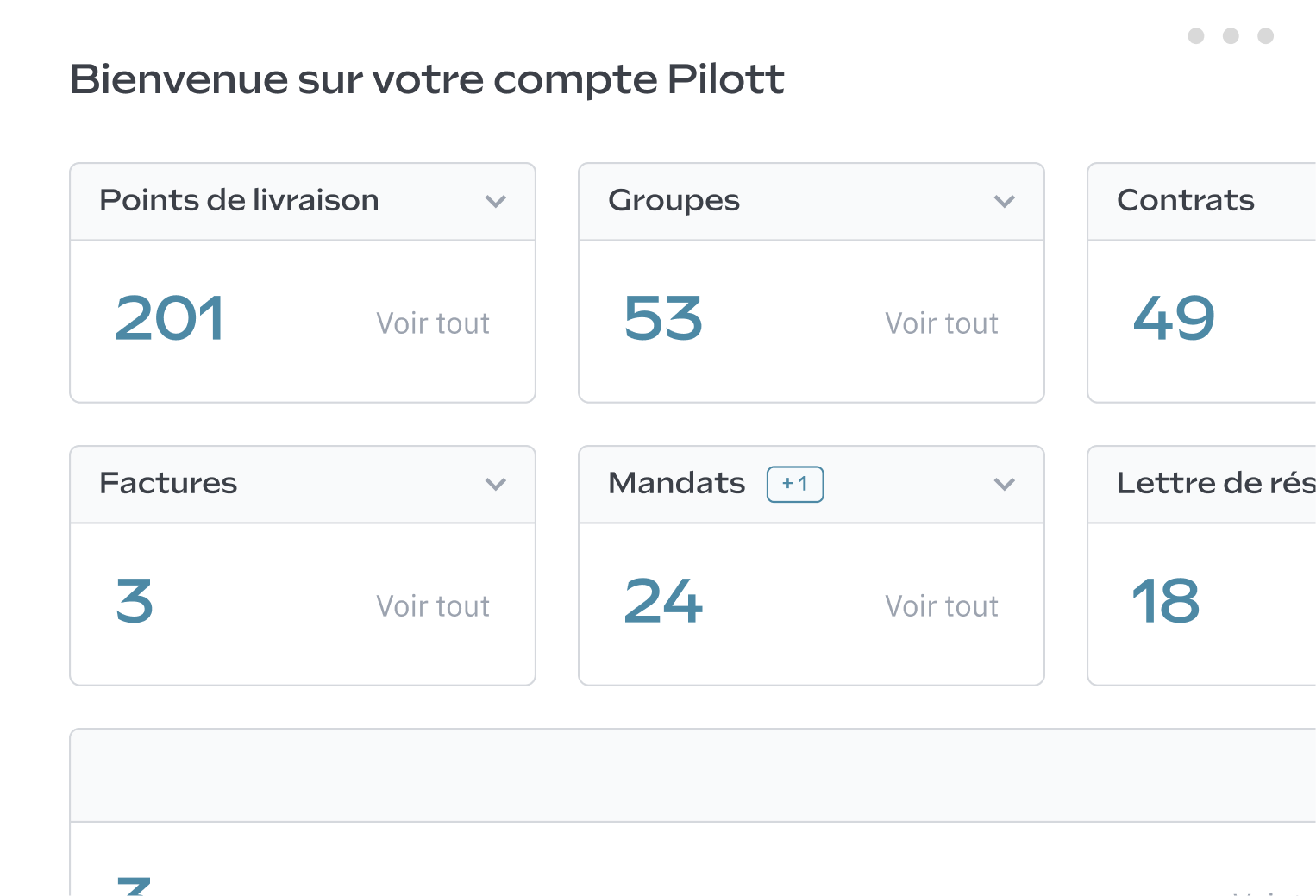
Pilott, simplified management to track your consumption
- Track every forge and every meter in a single dashboard
- Identify peaks caused by a new production run the very next day
- Receive an alert as soon as electricity or gas prices hit your target
- Build your energy budget and keep all your contracts in one place



Metallurgy, smelting, and hot processing
Explore other processes
Un autre secteur ?


Methodology and definitions
What is energy consulting for a forge or stamping workshop?
A few seconds of press operation are enough to set the power charges for the entire month. For a forge or stamping workshop, energy consulting starts with these peaks: it involves adjusting the subscribed power by tariff period for presses and heaters, managing daily gas capacity for reheating furnaces, and then providing support for energy procurement. Sirenergies consultants use the Pilott platform to analyze these load curves.
The context
As of August 1, 2026, the TURPE (tariff for the use of public electricity networks) for sites connected to high-voltage B grids increased by an average of 3.34% (CRE, deliberation no. 2026-104 of May 21, 2026). Settings that have remained unchanged for several years are therefore worth reviewing.
- Before heating: electricity and gas covered according to the order book.
- During production: power levels by period reviewed at D+1 in Pilott.
- Outside peak hours: heating shifted when operations allow, flexibility monetized with a service provider.

What portion of the price of a forged part goes into heating the billet?
Your invoices, your contracts, and one year of load curves are all we need to estimate the potential. No obligation.

