

Metallurgy, melting, and hot processing: foundries
Foundries, take back control of your melting costs
Whether it's gas-fired aluminum melting, induction-based iron or steel, or holding furnaces running overnight, every alloy in a foundry drives its energy bill differently. Sirenergies turns your foundry's energy optimization into a contractual project: power levels recalibrated to your casting cycles and procurement strategies prepared alongside you.


Key industry figures
Melting, holding, gas, or electricity: the true impact of a furnace
You pay for metal twice: once when you buy it, and again when you melt it. Measuring your furnace consumption based on alloy, load, and time provides the foundation for a procurement strategy aligned with your actual casting cycles.
Annual consumption reduction for an aluminum foundry that increased production by 14%
Gas energy required to melt one ton of aluminum compared to an electric furnace
Typical high load of metallurgical furnace burners relative to their nominal power
The energy profile of a foundry
Melting and holding furnaces: the heart of a foundry's energy bill
The reality: metal must be melted, then kept liquid
Depending on the alloy, melting relies on induction or electric arc for iron and steel, or gas and electric crucible furnaces for aluminum and zamak. Added to this are holding until casting, heat treatment, sand regeneration, compressed air, and dust extraction, with a base load that never disappears, even at night or on weekends. Metallurgy, including the steel industry, consumed nearly 1.7 times more electricity than gas in 2024 (Insee, EACEI 2024); in a gas-heated aluminum foundry, this ratio can be reversed.
Our role: quantify every furnace before touching the contract
Combustion, insulation, and furnace selection are matters for your teams and manufacturers; Sirenergies advises your management on everything surrounding them.
- Distribution. Subscribed power and TURPE (public electricity network usage tariff) options aligned with your melting cycles, and ATRD (third-party access to gas distribution networks) capacity adjusted for your burners.
- Procurement. An electricity and gas tender, followed by a hedging strategy that you decide on and we monitor.
- Flexibility. Identification of shiftable melting processes, followed by support in monetizing demand response.


Your energy challenges
The 3 energy challenges for aluminum, iron, and steel foundries
Furnaces that continue to consume energy after casting is finished, the long-term commitment involved in choosing between gas and induction, and production flexibility that the electrical system pays for without the foundry even knowing: these are three recurring issues in most melting shops. Sirenergies addresses them through measurement, modeling, and contracting.
Furnaces heating without pouring
Holding temperatures between pours, leaving furnaces running over the weekend, compressed air, and dust collection: the base load of a foundry is significant and often gets blurred with production costs in both electricity and gas bills.
Isolated base load and optimized scheduling
We analyze your load curves to separate melting, holding, and base load, then adjust your subscribed power and TURPE (public electricity network usage tariff) option to match this profile, while identifying melting cycles that could be profitably shifted to off-peak hours.

Gas or induction: a cost-benefit analysis
Replacing a gas oven with an electric one changes efficiency, power demand, and both utility contracts. As of 2024, the price of gas for industrial use remained twice as high as in 2019 (INSEE), making this a recurring question with every renewal.
Comparing the two scenarios in euros
Before your engineering firm or contractor sizes the equipment, we model the total cost of both options: supply, grid access fees (TURPE and ATRD), excise taxes, and the additional power capacity required.
Untapped flexibility
A melt can often be shifted forward or backward by a few hours. The flexibility mechanisms managed by RTE provide compensation for this agility, yet few foundries realize how much power they could free up without disrupting their casting processes.
Flexibility assessment and provider matching
Using your schedules and load profiles tracked in Pilott, we calculate the shedable power for each workshop and then identify the right aggregator for your site. Sirenergies supports the monetization of demand response without acting as the operator.
Contractual and data expertise
Optimization and management of contracts for your foundries and melting shops
From melting furnaces to heat treatment, Sirenergies provides expert advice on electricity and gas for your foundries. Your foundry workers operate the furnaces; our consultants handle the contracts, distribution, and flexibility, alloy by alloy and site by site.
Contractual and capacity audit
Review of your electricity and gas contracts, their expiration dates, and your subscribed power levels; annual analysis of excise duties and your eligibility for reduced rates; and identification of energy savings certificate (CEE) opportunities related to furnaces.
Purchasing strategy and competitive bidding
Specifications, consultation with our partner suppliers, and multi-criteria analysis of offers, followed by the execution of the hedging decisions you make: your volumes are covered according to market timing, not just the contract anniversary date.
Distribution optimization (TURPE / ATRD)
TURPE options and subscribed power adjusted to your furnace cycles, for both HTA and HTB voltage levels; daily ATRD capacity reviewed for burners, or ATRT for sites connected to gas transmission. We handle all procedures with network operators.
Melting tariff modeling
Simulation of the cost per melted ton based on alloy, time, and energy; quantitative comparison between gas and electric furnaces; and flexibility studies with support for monetizing demand response through a suitable provider.
Pilott software platform
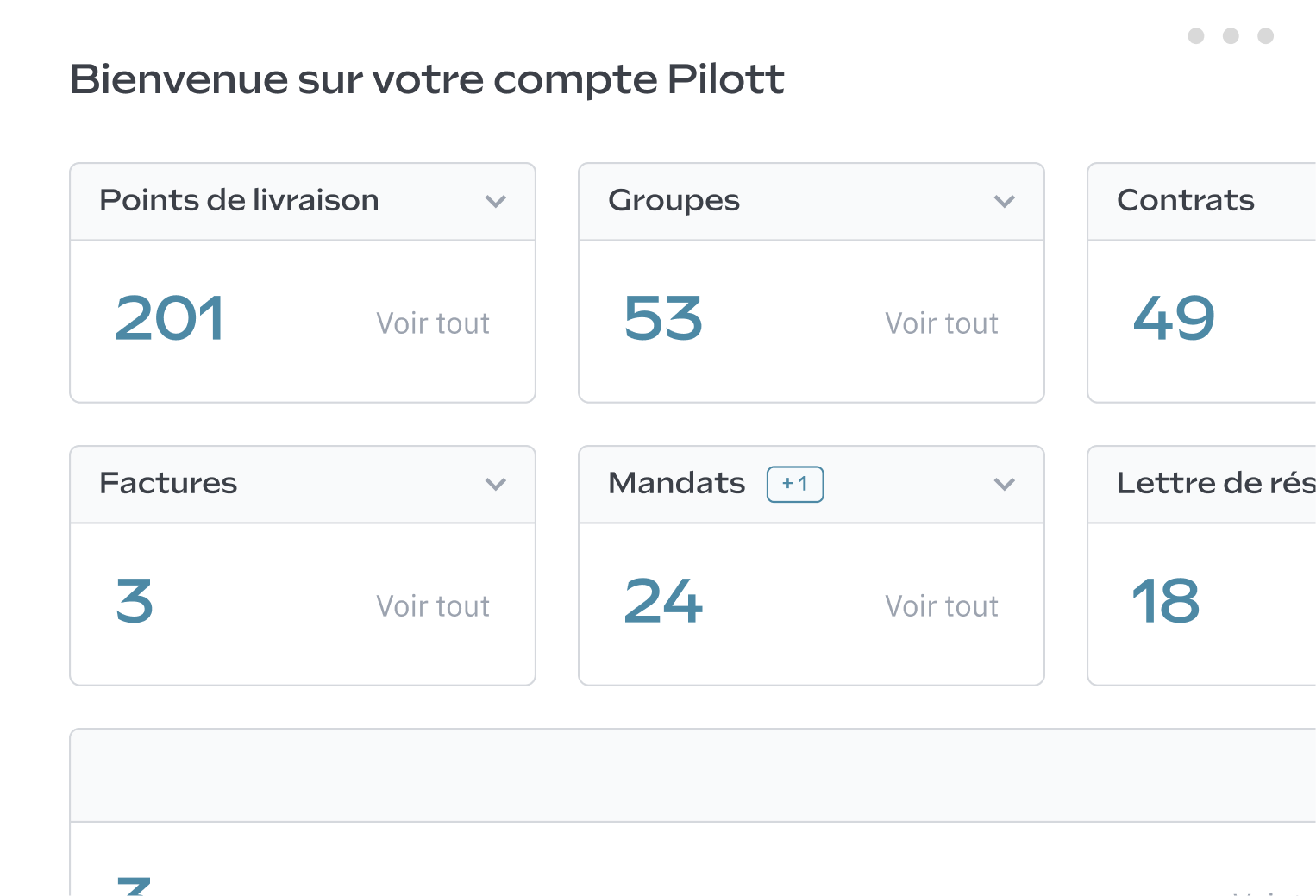
Next-day consumption data for each site, price alerts for electricity and gas, budget forecasting, and centralized contracts, with CSV or API exports for your production monitoring tools.
Expert consulting dedicated to foundries
A consultant who monitors your markets and deadlines, keeps you informed of relevant changes (excise duties, capacity mechanisms, CEEs), and works with you to build energy cost indicators per ton cast.
Our platform
Pilott, simplified management to track your consumption
- Consolidate your foundries and their electricity and gas meters in one place
- Check the previous day's consumption every morning, including nights and weekends
- Get alerted when electricity or gas prices hit your target purchase threshold
- Forecast your budget and manage all your contracts in one place


Metallurgy, smelting, and hot processing
Explore other processes
Un autre secteur ?


Methodology and definitions
What is energy consulting for a foundry?
What a foundry manager expects from energy consulting is often knowing when to melt. Energy consulting for a foundry links the casting schedule to electricity and gas prices: it identifies which melts can be shifted, calculates the flexibility of each furnace, and supports its valuation with an aggregator, all while preparing for the purchase of both energy sources. Sirenergies consultants carry out this work using the Pilott platform.
The context
In 2024, one tonne of oil equivalent of energy cost metallurgical facilities an average of 814 euros, compared to 452 euros in 2019 (Insee Première No. 2095, February 2026). In an industry where energy is primarily used to heat metal, this difference is reflected in the price of every part.
- When to melt: a portion of melts scheduled during the cheapest hours when casting requirements allow.
- With which energy: gas and electricity compared based on total cost, including delivery fees and excise taxes.
- At what price: long-term coverage tracking, measured in Pilott.

How much does energy account for in every tonne cast by your foundry?
Your load profiles, invoices, and contracts are all that is needed to calculate your potential for improvement. No obligation.

