

Pharmaceuticals and biotechnology: industrial sterilization
Sterilization units: secure your steam costs
Autoclaves, steam sterilizers, and dry heat depyrogenation tunnels: sterilization operates on a cycle-based rhythm. Steam is supplied by a gas boiler, an electric generator, or the site network, while vacuum and ventilation systems draw on electricity. Sirenergies optimizes the energy used in your industrial sterilization processes.


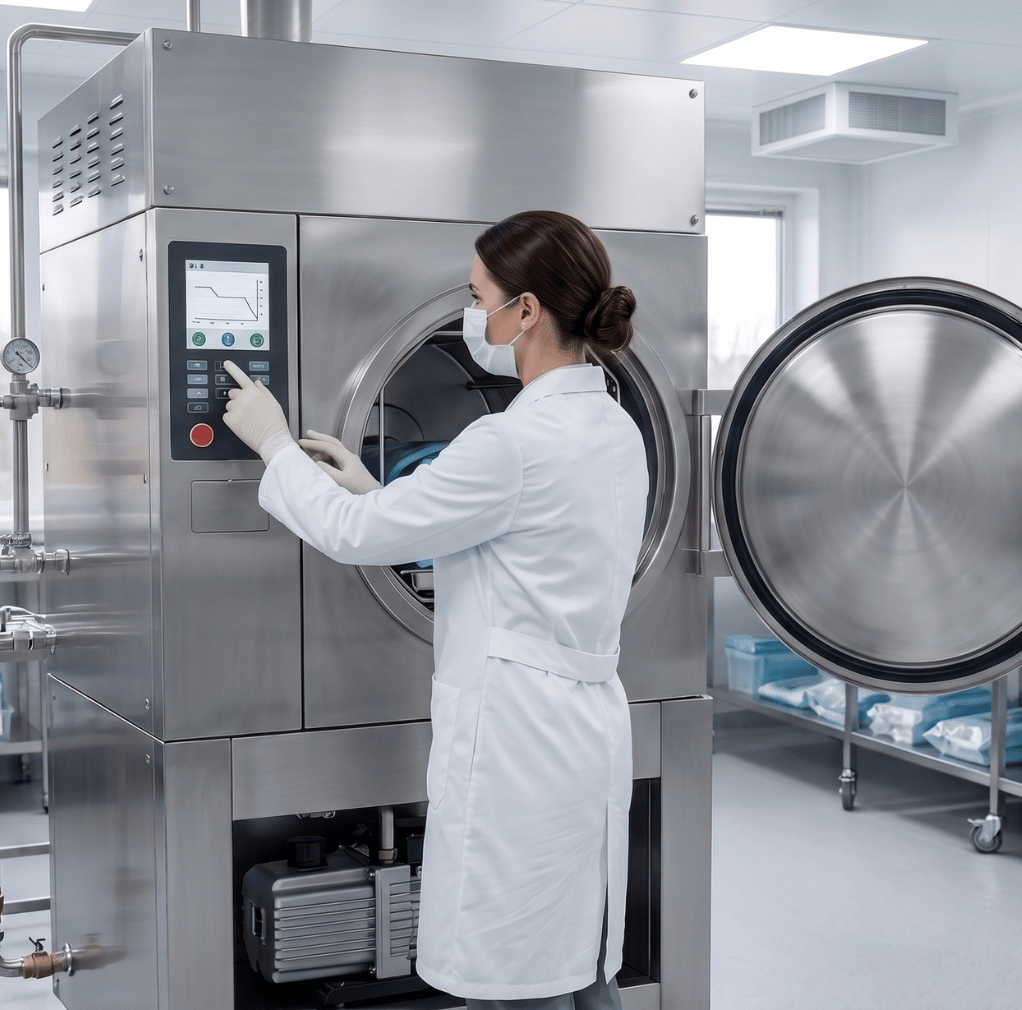
Key industry figures
Steam, gas, and electricity: benchmarks for pharmaceutical sterilization
Sterilization consumes high-temperature heat during validated cycles that cannot be altered. Therefore, the room for maneuver lies in the procurement and delivery of the energy used to produce that heat.
Reference temperature for steam sterilization, maintained for at least 15 minutes.
Ktoe of steam purchased in 2024 by the French pharmaceutical industry.
Drug production sites identified in France by Leem in 2024.
The energy profile of an industrial sterilization unit
Steam, dry heat, and vacuum: the cost of a sterilization cycle
The situation: heat produced by gas or electricity
An autoclave brings the load to sterilization temperature, maintains it, and then dries it under vacuum; a depyrogenation tunnel dry-heats vials before filling. Cycles are validated and remain fixed. Steam comes from a gas boiler, a pure steam electric generator, or the site network, and generators often remain hot between cycles. The pharmaceutical industry consumed 203 ktoe of electricity and 149 ktoe of gas in 2024 (Insee, June 2026).
Our role: acting upstream of the cycles
Schedules, loads, and qualification are the responsibility of your production and quality assurance teams. In the absence of published ratios per cycle, Sirenergies starts from your own measurements and advises your management on three levers:
- Gas for steam. ATRD (Third-Party Access to Gas Distribution Networks) capacity and purchasing aligned with actual production.
- Electricity. Subscribed power and TURPE (Public Electricity Network Usage Tariff) options adjusted for generators and vacuum systems.
- Arbitrage. Cost per ton of steam compared for gas and electricity.

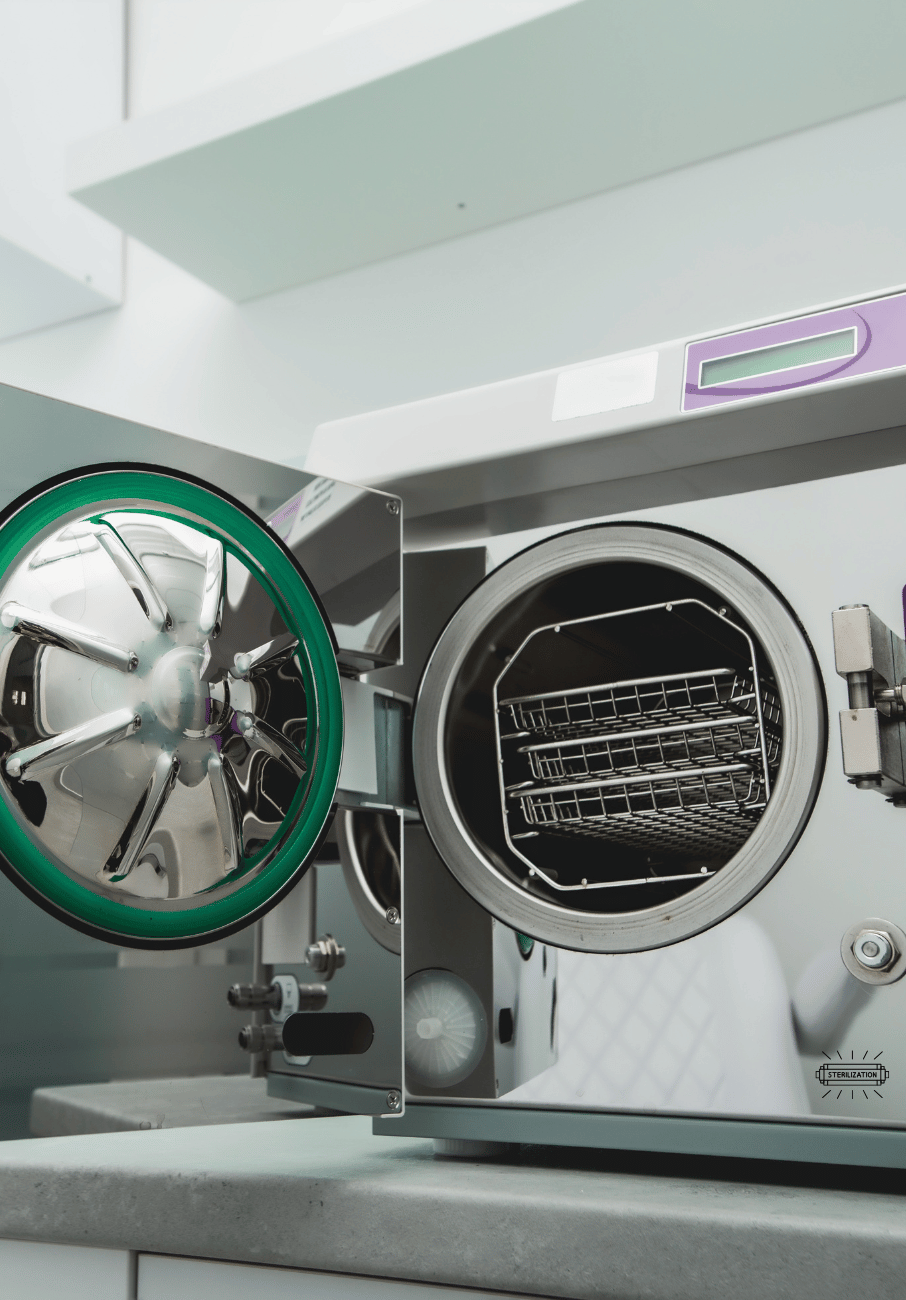
Your energy challenges
The 3 energy challenges for industrial sterilization units
Keeping generators hot between cycles, an often-uncalculated trade-off between gas and electric steam, and sterilization energy that no one allocates to specific batches: these are three recurring issues for any sterilization unit. Sirenergies provides solutions through measurement, modeling, and procurement.
Intense thermal cycles
Autoclaves and sterilization tunnels operate at full power during heating phases, which generates significant and regular power surges.
Energy audit and cycle scheduling optimization
Sirenergies analyzes your sterilization cycles to identify the most favorable time slots and limit consumption peaks.

Standby energy between cycles
A significant portion of an autoclave's energy consumption is used to maintain pressure and temperature in standby mode between cycles rather than for the sterilization process itself, according to available technical resources on the subject.
Subscribed power recalibration
Sirenergies adjusts your subscribed power to closely match your actual cycles, limiting the extra costs associated with standby phases.
Market segment underserved by brokers
No generalist energy broker specifically targets pharmaceutical sterilization units.
Procurement and supplier tendering
Sirenergies pits our trusted partner suppliers against each other to secure a contract tailored to your consumption profile.
Contractual and data expertise
Optimizing and managing contracts for your sterilization units
From the boiler producing steam to the autoclave vacuum pumps, Sirenergies supports you with the gas and electricity needs of your sterilization units. Your teams manage the validated cycles; our consultants handle the contracts, distribution, and measurement.
Contractual and capacity audit
Reviewing your gas and electricity contracts, their expiration dates, your daily gas capacity, and your subscribed power levels; performing annual excise tax analysis; and identifying energy savings certificates (CEE) applicable to steam production and distribution.
Purchasing strategy and competitive bidding
Consulting our partner suppliers regarding boiler gas and facility electricity, performing multi-criteria offer analysis, preparing negotiations on your behalf, and providing advice on your price-fixing schedule.
Distribution optimization (TURPE / ATRD)
Gas : ATRD options and daily capacity adjusted to steam production, or access to the transmission network for larger sites. Electricity : TURPE options and power levels per period aligned with generators and vacuum systems. All procedures handled for you.
Steam tariff modeling
Simulating the cost per ton of steam for gas and electricity based on your prices, assessing the impact of an electric generator on subscribed power, projecting budgets for various hedging strategies, and recovering heat from condensate.
Pilott software platform
Gas and electricity consumption tracking at D+1, price alerts for both energy sources, budget projections, and centralized contracts, with CSV or API exports to reconcile energy usage with your sterilization campaigns.
Expert consulting dedicated to sterilization
A dedicated consultant monitors the gas and electricity markets, your contract deadlines, and relevant regulations, then works with you to build an energy cost indicator per cycle or per sterilized load.
Our platform
Pilott, simplified management to track your consumption
- Consolidate meters for the boiler room, autoclaves, and tunnels
- Identify generator consumption between cycles at D+1
- Receive an alert when the price of gas reaches your threshold
- Forecast your budget and find all your contracts in one place



Pharmaceuticals and biotechnology
Explore other processes
Un autre secteur ?


Methodology and definitions
What is energy consulting for industrial sterilization?
Gas-fired steam or electric steam: what is the real cost? For a pharmaceutical sterilization unit, energy consulting starts with this question: comparing the cost of steam based on the energy used to produce it, sizing the daily gas capacity and electrical power, managing the procurement of both energy sources, and then monitoring consumption between cycles. Sirenergies conducts this analysis with its consultants and extends it through its Pilott platform.
The context
In 2024, the cost of a tonne of oil equivalent averaged €576 for the chemical and pharmaceutical industries, compared to €442 in 2019 (Insee Première No. 2095, February 2026). Every percentage point of steam production efficiency, and every hour of standby time avoided, therefore has a greater impact on the cost of a batch.
- Compare: the cost per tonne of gas-fired and electric steam, using your actual prices.
- Size: adjusted daily gas capacity and subscribed electrical power.
- Monitor: generator consumption between cycles, tracked daily in Pilott.




How much do your steam generators cost you between cycles?
Your gas and electricity bills and one year of measurements are all it takes to calculate this. No obligation.

