

Pharmacy and Biotechnology: Pharma Cold Chain
Pharmaceutical Warehouses: Master Your Cold Chain
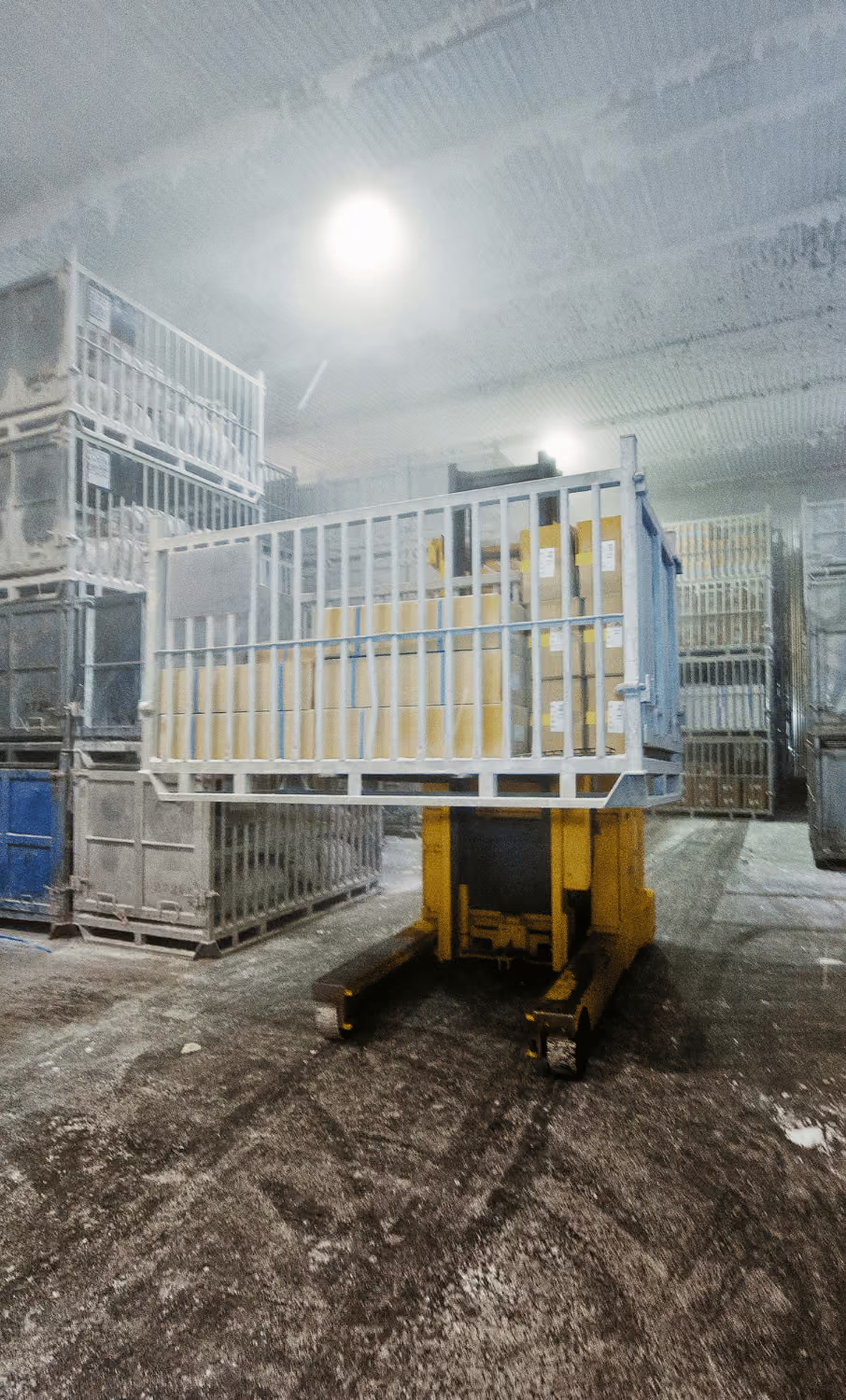
Cold rooms between 2 and 8°C, low-temperature freezers, refrigerated loading docks, and redundant backup units: a pharmaceutical warehouse consumes electricity primarily, day and night. Gas is sometimes used to heat offices and loading docks. Sirenergies optimizes your pharma cold chain energy usage without altering temperature setpoints.


Key industry figures
Medicine and Energy: Benchmarks for the Pharmaceutical Cold Chain
Pharmaceutical refrigeration operates non-stop under strict quality constraints. Industry benchmarks reveal a dense sector and rising prices, making energy contracts a key executive priority.
Increase in the average energy price paid by the chemical and pharmaceutical sectors between 2019 and 2024.
Ktoe of gas consumed in 2024 by the French pharmaceutical industry.
Drug production sites identified in France by Leem in 2024.
The Energy Profile of a Pharmaceutical Cold Chain
Continuous and Redundant Refrigeration: The Primary Driver of Pharma Warehouse Bills
The Reality: Refrigeration That Never Stops
Good distribution practices require that medicines be kept within their temperature range and that this be documented. Compressors, condensers, defrost cycles, lighting, and refrigerated docks run continuously, often backed up by emergency generators, with peaks in summer when condensers struggle. Electricity dominates; gas, where present, heats offices and ambient zones. Overall, electricity accounted for nearly half of the pharmaceutical industry's energy in 2024, 203 ktoe out of 412 (Insee, June 2026).
Our Role: Separating Refrigeration from the Rest
Temperatures, mapping, and equipment qualification are the responsibility of your lead pharmacist and quality teams. Sirenergies advises your management on three levers:
- Isolate: the refrigeration load identified in your load profiles and sub-metering, including backup units.
- Buy: electricity procurement based on this stable profile, with the hedging and schedule of your choice.
- Finance: energy savings certificate (CEE) schemes applicable to refrigeration identified before your projects begin.

Your energy challenges
The 3 Energy Challenges for Pharma Cold Chain Warehouses
Redundant cooling systems that duplicate equipment, energy consumption that is never separated from the building's total, and cooling upgrades that are rarely funded: these are three challenges familiar to every pharmaceutical warehouse manager. Sirenergies addresses them through measurement, procurement, and energy savings certificates.
Mandatory cold storage redundancy
Pharmaceutical cold rooms must be redundant to ensure the continuity of the cold chain, which doubles a portion of the energy consumption associated with storage.
Energy audit for refrigeration systems
Sirenergies analyzes your contracts and load profiles to determine the true cost of your cold chain, including redundancy.

Regulated continuity, securing your contract
Good Distribution Practices for wholesale require stable storage conditions under the responsibility of the lead pharmacist, making any interruption in energy supply particularly critical.
Securing your energy contract
Sirenergies structures a reliable energy contract and alerts you in real time via Pilott if any of your cold rooms deviate from set parameters.
Market segment underserved by brokers
The pharmaceutical cold chain remains a niche that few generalist energy brokers specifically target, despite the high stakes regarding regulatory continuity.
Procurement and supplier tendering
Sirenergies puts our trusted partner suppliers in competition to secure a contract tailored to your regulatory requirements.
Contractual and data expertise
Optimization and management of your pharmaceutical warehouse contracts
From positive-temperature cold rooms to low-temperature freezers, Sirenergies supports you with the electricity and gas needs of your temperature-controlled warehouses. Your responsible pharmacist maintains quality; our consultants handle contracts, distribution, and measurement.
Contractual and capacity audit
Reviewing your electricity and gas contracts and their expiration dates, checking your subscribed power levels against your cooling units and their backup systems, performing annual excise tax analysis, and identifying Energy Savings Certificate (CEE) opportunities for cooling system regulation.
Purchasing strategy and competitive bidding
Consulting our partner suppliers based on a stable day-and-night profile, performing multi-criteria offer analysis, preparing for negotiations alongside you, and monitoring your price fixing, with particular attention to continuity clauses.
Distribution optimization (TURPE / ATRD)
Electricity: TURPE options and power levels per period aligned with continuous cooling and defrost cycles. Gas: ATRD options reviewed for office and ambient zone heating, where applicable. Procedures managed directly with network operators.
Tariff modeling for regulated cooling
Simulating your cooling budget based on your prices and set-point temperatures, calculating the impact of floating regulation or heat recovery on condensers, and comparing various hedging strategies.
Pilott software platform
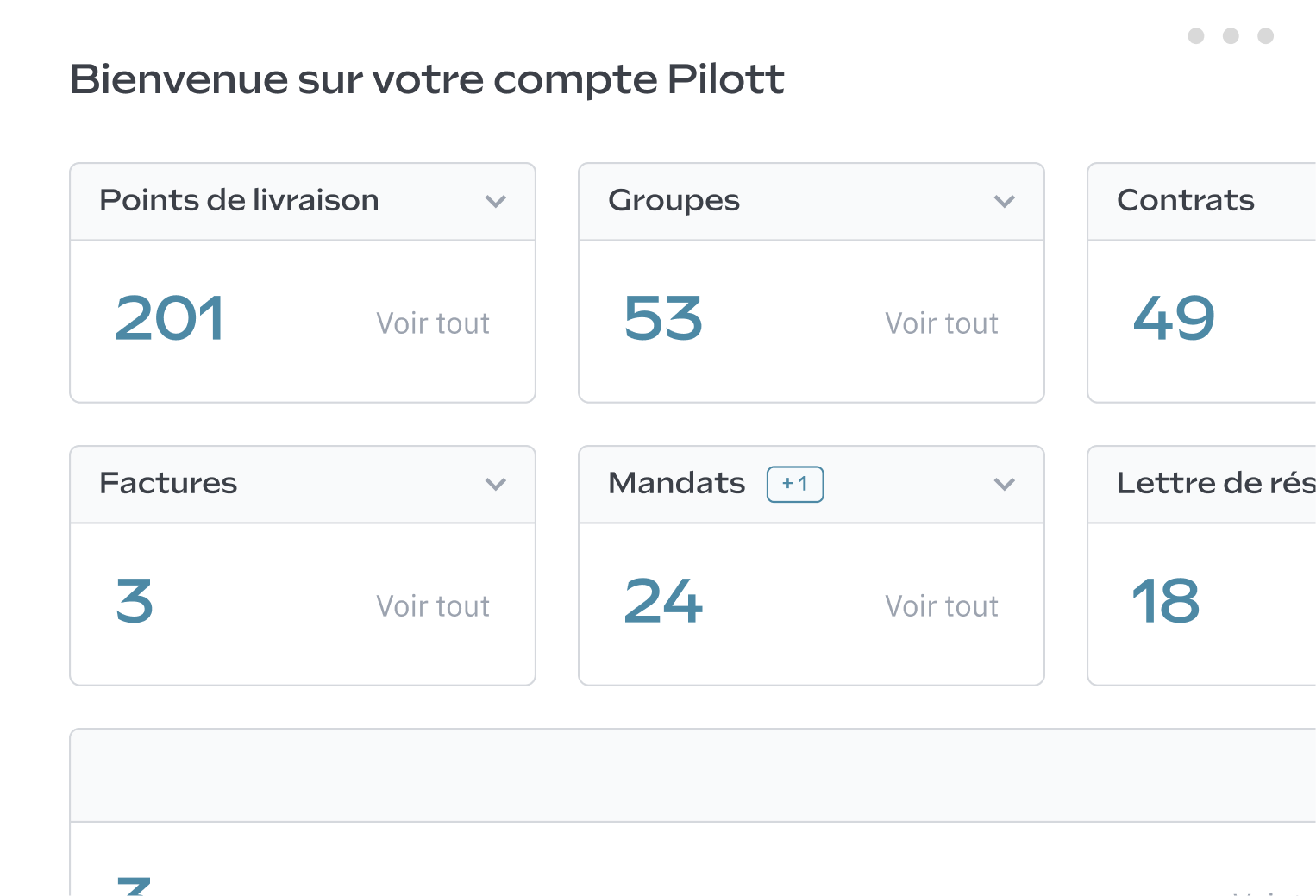
Next-day consumption tracking for cooling systems and the building, electricity price alerts, budget forecasting, and centralized contracts, with CSV or API exports for your reporting and quality tools.
Expert consulting dedicated to the cold chain
A dedicated consultant tracks your markets, deadlines, and relevant regulations, then works with you to build an energy cost indicator per cubic meter of storage, shared with your management and quality teams.
Our platform
Pilott, simplified management to track your consumption
- Consolidate your warehouses and their meters into a single space
- Track cooling system consumption the next day, including nights and weekends
- Get alerted when electricity prices cross your threshold
- Forecast your budget and manage your contracts on a single platform



Pharmaceuticals and biotechnology
Explore other processes
Un autre secteur ?


Methodology and definitions
What is energy consulting for the pharmaceutical cold chain?
For a pharmaceutical warehouse, energy consulting aims to reduce the cost of cooling that cannot be interrupted: isolating this load, supporting electricity and gas procurement for the premises, adjusting distribution fees, and then using Energy Savings Certificates (CEE) to fund the improvements your teams approve. Sirenergies achieves this through its consultants, with every meter tracked in Pilott.
The context
In 2024, industrial facilities consuming less than 2 GWh paid €192.7 per megawatt-hour for electricity, compared to €73.7 for those consuming over 20 GWh (Insee Première No. 2095, February 2026). For a medium-sized warehouse, every price point counts, especially since cooling cannot be stopped or shifted to off-peak hours.
- Isolate: cooling separated from the building in your measurements, including backup systems.
- Finance: floating regulation or heat recovery via CEE certificates.
- Buy: electricity covered on a stable profile, according to the schedule you approve.



How much does cooling your pharmaceutical warehouse cost each year?
A year of load profiles and your contracts are all we need to isolate and calculate this expense. No obligation.

