

Metallurgy, forming, and machining: general mechanics and machining
Machinists, take control of your machine hours
Turning, milling, grinding: a machining center consumes energy even when it isn't cutting, due to coolant systems, hydraulics, and chip conveyors. Compressed air and climate control for metrology add to this, while gas heats the workshop. Sirenergies optimizes the energy efficiency of your machine shop, invoice by invoice.


Key industry figures
SMEs, prices, and leaks: energy benchmarks for general mechanics
Often small businesses, energy prices that have risen sharply since 2019, and poorly monitored utilities: three reasons to treat energy procurement as a margin-impacting expense.
Increase in the average energy price paid by the metallurgy sector between 2019 and 2024.
Share of micro-businesses and SMEs among mechanical industry companies in France.
Companies identified in the French mechanical industries by the sector federation.
The energy profile of a general machine shop
Machining centers, utilities, and metrology: where the workshop's energy goes
The reality: electricity that never truly sleeps
Spindles and axes account for only part of a machining center's consumption: coolant pumps, hydraulic units, filtration, chip conveyors, and lighting also run during setups and idle time. Processes account for 40 to 50% of electricity in mechanical, machining, and screw-cutting workshops (Cetim, MP L'émission, December 2022). Compressed air for chucks and blow-off, air conditioning for the metrology room, and oil mist extraction complete the picture. As for gas, it heats the halls and sometimes the parts-washing machines.
Our role: reading your invoice like a dashboard
Programs, tools, and maintenance are the responsibility of your teams and machine suppliers. Sirenergies advises your management on three key levers:
- night and weekend baseloads, isolated in your load profiles and monitored daily in Pilott;
- invoices broken down by supply, distribution, and taxes, then verified line by line;
- electricity and gas procurement prepared with you, based on a coverage level of your choosing and a schedule tailored to your deadlines.


Your energy challenges
The 3 energy challenges for general machine shops
Machines that consume power while idle, invoices where only the total is checked, and energy costs missing from the hourly rate: these are common issues for managers of general machine and machining shops. Sirenergies addresses them through measurement, invoice auditing, and indicators built in collaboration with you.
Compressed air, the primary energy consumer
On a CNC machining center, compressed air and the booster pump are the top energy consumers, ahead of the coolant system and machine axes, according to the ranking established by CETIM.
Compressed air system audit
Sirenergies identifies waste (leaks, overpressure, sizing issues) and guides you toward best practices tailored to your machine fleet.

Electricity costs per machine are often misidentified
The electricity cost of an average-performance machining center can account for up to 20% of the machine's operating expenses, a figure rarely isolated in workshop budget tracking.
Energy diagnostics by machine and production line
Sirenergies analyzes your load profiles per machining center via Pilott to determine the actual cost of each machine and identify priority areas for action.
An underserved sector despite its scale
General mechanical engineering remains largely overlooked by generalist energy brokers, despite the thousands of SMEs operating across the country, due to a lack of specialists focused on this specific energy profile.
Procurement and supplier tendering
Sirenergies puts our trusted partner suppliers in competition to secure a contract tailored to multi-machine and multi-workshop facilities.
Contractual and data expertise
Optimizing and managing contracts for your machining shops
From the spindle that keeps spinning to the compressor that never stops, Sirenergies supports you with the electricity and gas needs of your general machine shops. Your programmers optimize production processes; our consultants handle the contracts, invoices, and consumption monitoring.
Contractual and capacity audit
Review of your electricity and gas contracts, their expiration dates, and your subscribed power levels; line-by-line invoice auditing; annual excise tax analysis; and identification of energy savings certificates (CEE) for motors, drives, and compressed air systems.
Purchasing strategy and competitive bidding
Consulting our partner suppliers based on specifications that reflect your team structure and facility closures, multi-criteria offer analysis, negotiation prepared alongside you, and execution of the price-fixing strategies you decide upon.
Distribution optimization (TURPE / ATRD)
Electricity: TURPE options and power levels by period aligned with your day, night, or weekend shifts. Gas: ATRD options and capacity adapted to workshop heating. We handle all interactions with network operators.
Tariff modeling for machine-hour costs
Simulating the energy component of your hourly rate based on your prices, time slots, and load; budget forecasting for various hedging strategies; and calculating the financial impact of adding a third shift or a new machining center.
Pilott software platform
Daily consumption tracking for every meter, price alerts for electricity and gas, consolidated budget projections and contract documents, with CSV or API exports for your ERP or quoting software.
Expert consulting dedicated to general machining
A dedicated consultant tracks your deadlines, market conditions, and relevant regulations (excise taxes, CEE, capacity mechanisms), and works with you to build an energy cost indicator per machine-hour.
Our platform
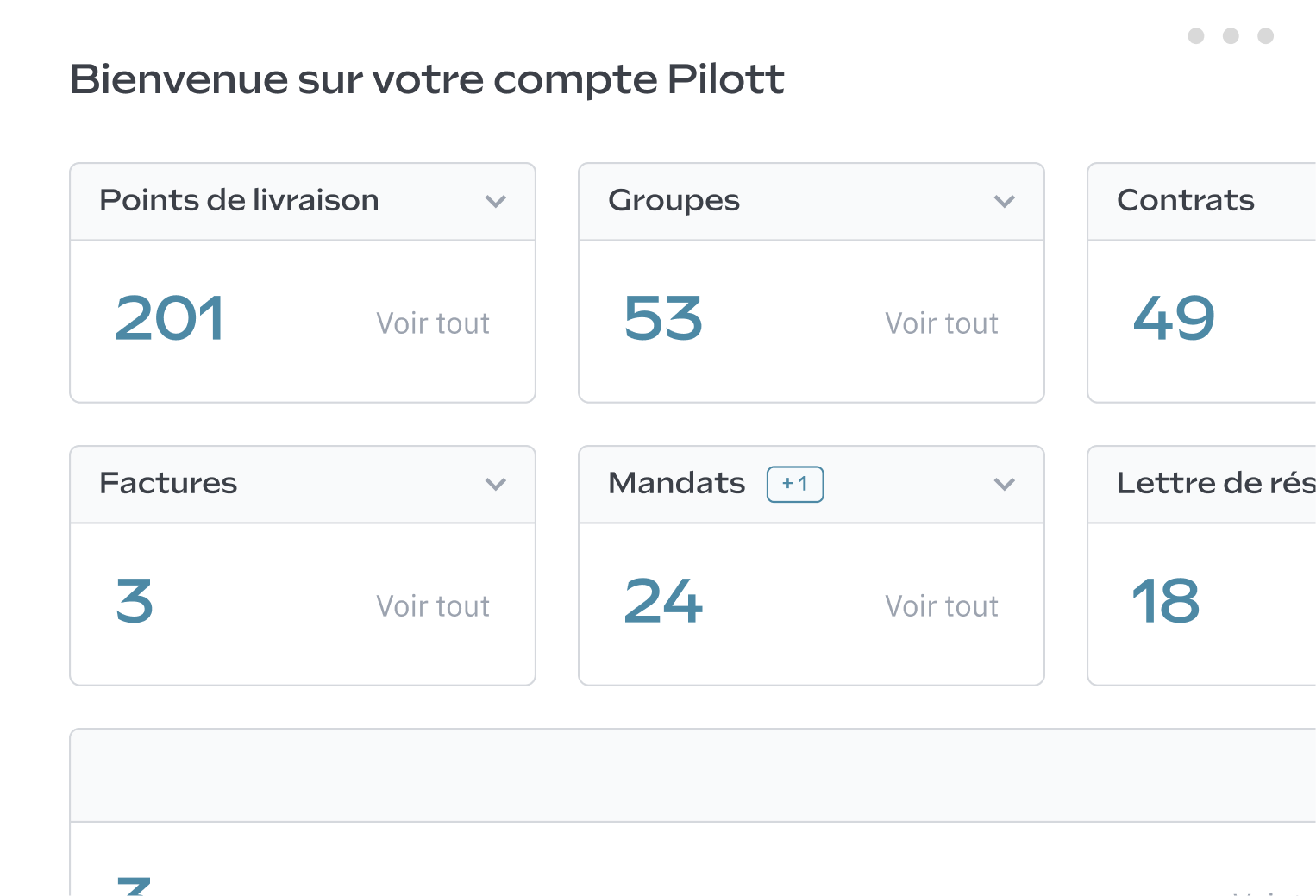
Pilott, simplified management to track your consumption
- Centralize your machining shops and their electricity and gas meters
- Monitor night and weekend baseloads daily
- Get notified when electricity prices cross your threshold
- Simulate your energy budget and manage your contracts on a single platform



Metallurgy, forming, and machining
Explore other processes
Un autre secteur ?


Methodology and definitions
What is energy consulting for general mechanics and machining?
For a general machine shop, energy consulting covers three areas: reading electricity and gas bills by separating supply, distribution costs, and taxes; verifying every line item; and then supporting the procurement of both energy types at the right coverage level. Sirenergies performs this with its consultants and then extends the monitoring of each site via its Pilott platform, down to the energy cost per machine hour.
The context
In 2024, the energy bill for French industry reached 17.3 billion euros, excluding raw materials, 1.5 times its 2019 level (Insee Première No. 2095, February 2026). For a machining workshop, where energy is absorbed into overhead costs, this gap is first reflected in the margin of each part.
- Break down: supply, distribution, excise duties, and CTA (contribution to distribution tariffs) isolated.
- Verify: billing errors identified and corrected with the supplier.
- Monitor: night-time base load and energy cost per machine hour measured at D+1.

How much do your machining centers consume when they aren't cutting?
Your invoices and one year of load curves are enough to calculate this base load. No obligation.

