

Metallurgy, forming, and machining: stamping and cutting
Stamping manufacturers: anticipate your press peak loads
A striking press, a laser cutting line starting up, a compressed air plant running for everyone: electricity sets the pace for the workshop, while gas heats the halls and washing tunnels. Sirenergies optimizes energy for your stamping and cutting site and aligns your contract with your production rates.


Key industry figures
Subcontracting, presses, and pricing: key benchmarks for stamping and cutting
A network of SMEs dependent on a few major clients, power-hungry presses, and energy prices highly sensitive to site size: all the more reason to build a structured purchasing strategy.
Gas price gap in 2024 between small and large industrial sites.
Companies with more than 10 employees in the thin sheet metal working industry.
Share of these companies with between 10 and 49 employees, according to the Observatory.
The energy profile of a stamping and cutting workshop
Presses, cutting, and compressed air: the three pillars of a sheet metal workshop
The situation: presses dictate power demand, utilities drive volume
Mechanical, hydraulic, or servo-electric presses, laser cutting or punching lines: power demand follows the rhythm of strikes and startups. Compressed air powers tools, ejectors, and blow-off systems continuously; leaks frequently account for 30% of flow, whereas 10% is generally achievable (ATEE and ADEME, compressed air guide, 2013). Gas heats the halls and parts-washing machines. A servo-press changes this profile: it only draws full power at the moment of the strike.
Our role: connecting your production rates to your contracts
Presses, tooling, and air networks remain the responsibility of your teams and technical partners. Sirenergies advises your management on three key points.
- Power: isolated strike peaks in your load curves, followed by a line-by-line review of subscribed power and TURPE (public electricity network usage tariff) options.
- Procurement: electricity and gas procurement with volume tolerances tailored to your orders.
- Compressed air: identification of CEE (energy savings certificate) schemes for your projects.


Your energy challenges
The 3 energy challenges for stamping and cutting workshops
Presses that dictate subscribed power on their own, volumes tied to automotive programs, and a compressed air plant that no one is monitoring: any stamping and cutting site manager knows these three issues well. Sirenergies addresses them through distribution, contracts, and data.
Press power demand
Stamping and cutting presses generate intermittent power spikes that complicate the sizing of subscribed power.
Energy audit and power subscription recalibration
Sirenergies analyzes your load profiles to adjust your subscribed power as closely as possible to your press cycles.

Poorly managed compressed air
According to a CETIM study, compressed air is one of the primary energy consumers in workshops equipped with production machinery, often suffering from leaks and improper sizing.
Compressed air system audit
Sirenergies identifies areas of waste, such as leaks and overpressure, and guides you toward best practices and the right technical partners.
Underserved SME subcontractors
Major automotive accounts are often handled directly by long-standing suppliers, leaving SME stamping subcontractors without dedicated support for their contracts.
Procurement and supplier tendering
Sirenergies puts our trusted partner suppliers in competition to secure a contract tailored to your actual consumption profile.
Contractual and data expertise
Optimizing and managing contracts for your press workshops
From stamping presses to the compressed air plant, Sirenergies supports you with the electricity and gas needs of your stamping and cutting workshops. Your methods team manages the tools; our consultants handle the contracts, distribution, and measurement, press line by press line.
Contractual and capacity audit
Reviewing your electricity and gas contracts and their deadlines, comparing your subscribed power against strike peaks, conducting annual excise tax analysis, and identifying CEE schemes for compressed air and motors.
Purchasing strategy and competitive bidding
Specifications that incorporate your volume tolerances, consultation with our partner suppliers, clause-by-clause comparison of offers without supplier bias, negotiated preparation alongside you, and monitoring of the price-fixing decisions you make.
Distribution optimization (TURPE / ATRD)
Electricity: TURPE options and power levels per period adjusted to press peaks, for both low voltage and HTA. Gas: ATRD options and capacity reviewed for hall heating and parts washing. Procedures managed with network operators.
Tariff modeling for press lines
Budget simulations based on your order books and teams, quantified impact of a servo-press or new compressor on required power, comparison of hedging strategies, and feasibility studies for photovoltaic self-consumption.
Pilott software platform
Next-day consumption data for every meter, price alerts for electricity and gas, budget forecasting, and centralized contracts, with CSV or API exports for your cost-price calculations.
Expert consulting dedicated to stamping
A dedicated consultant tracks your markets, deadlines, and relevant regulations (excise taxes, CEE, capacity mechanisms), and works with you to build an energy cost indicator per ton of processed sheet metal.
Our platform
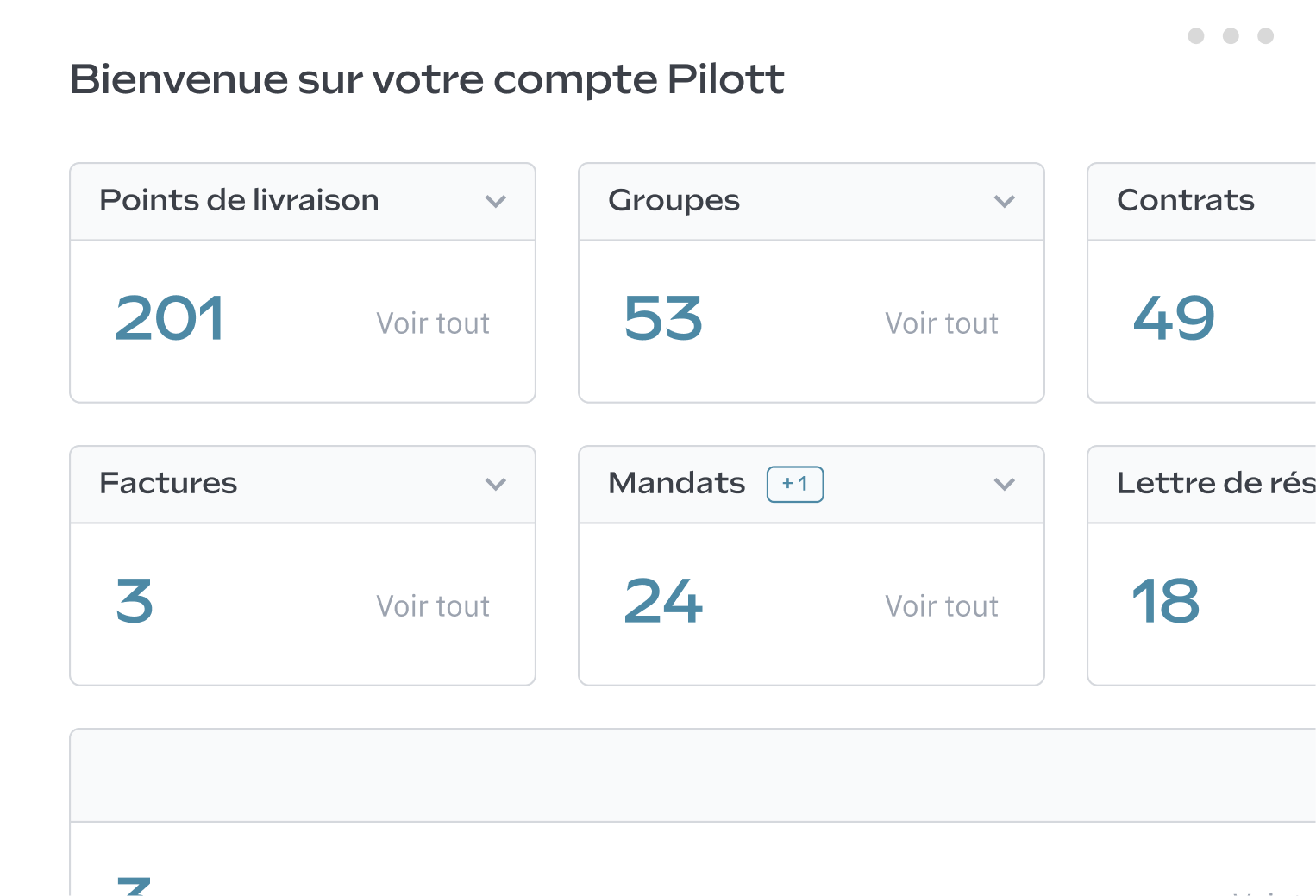
Pilott, simplified management to track your consumption
- Consolidate the meters for your press and cutting workshops
- Identify compressed air consumption during downtime on a next-day basis
- Get an alert when electricity reaches your price threshold
- Forecast your budget and find all your contracts in one place



Metallurgy, forming, and machining
Explore other processes
Un autre secteur ?


Methodology and definitions
What is energy consulting for stamping and cutting?
Energy consulting for stamping and cutting aims for a clear result on your bill: paying the right price for press electricity and hall gas, without unnecessary power or poorly negotiated volumes, and financing compressed air savings through Energy Savings Certificates (CEE). This is the work carried out by Sirenergies consultants, with the Pilott platform serving as a shared dashboard for your teams and ours.
The context
In 2024, 43% of industrial facilities consuming more than 20 GWh of electricity had a contract indexed to the wholesale market, compared to 7% for those under 2 GWh (Insee Première No. 2095, February 2026): most sheet metal SMEs are on fixed-price contracts, making the timing of price fixing and the level of coverage all the more important.
- CEE: sequencer, heat recovery, or compressed air dryer identified before ordering equipment.
- Transmission costs: press power and gas capacity reviewed annually.
- Price: fixed or indexed, chosen based on your exposure to automotive orders.

How much do your press spikes cost you over a year?
Twelve months of load curves and your contracts are enough to calculate the difference. No obligation.

