






Summarize with AI

March 6, 2026
5
Min reading
Climate change is one of the consequences of the excessive use of fossil fuels. The energy sector is very polluting. It would be responsible for around 80% of the emissions of greenhouse gases in nature.
To reduce emissions of CO2 and fine particles and improve air quality, the energy transition from fossil sources to renewable sources is advocated by most states.
La COP26 (26th edition of the Climate Conference of Parties) is a new opportunity for world leaders to reaffirm their commitments to clean energy. For many years now, energy efficiency has been on everyone's lips and seems to provide a solution to reduce the consumption of polluting energies. SirEnergies gives you all the information about energy efficiency.
Effectiveness or energy efficiency of a system is the ratio between the quantity of energy supplied and the quantity of energy consumed. It corresponds to a panel of technical and/or logistical solutions put in place to limit energy consumption for an identical service provided and even superior.
The concept of energy efficiency applies to the building sector as well as to the transport and industrial sectors. From energy suppliers to consumers (individuals and professionals) to public authorities, everyone is concerned about energy efficiency.

Energy efficiency is not a new concept born from the G7 in Metz in 2019, much less from COP26. It has been talked about for about half a century as a means of sustainable development in almost all countries, in this case those that are highly industrialized. Energy efficiency is invoked in the Declaration of the United Nations Conference on the Environment in 1972.
The term came up again in the Rio Declaration on Environment and Development in 1992. In 1997, the Kyoto protocol to the UNFCCC (United Nations Framework Convention on Climate Change) also regulated energy efficiency. At the dawn of the twenty-first century, in 2000, The French government developed the PNLCC (National Program to Combat Climate Change) to promote energy saving.
At the World Summit on Sustainable Development in Johannesburg in 2002, energy efficiency was once again highlighted. In the same year, the European Union adopted Directive 2002/91/EC on the energy performance of buildings. At the national level, the Climate Plan was adopted by the State in 2004.
In 2005, the Pope Act (Programming Setting the Guidelines for Energy Policy) was passed to strengthen the regulatory framework surrounding energy efficiency. Numerous other texts followed to reiterate the importance of energy efficiency in households, businesses, local authorities, etc.
The main challenges of energy efficiency are environmental and economic. It is estimated that energy savings are likely todrastically reduce the impact of the energy sector on nature. The organization claims that 150 billion euros can also be saved annually in Europe if energy consumption is optimized. Energy efficiency has the advantage of allowing consumers to limit their expenses while enjoying the same service as before.
The building, transport and industrial sectors are very energy-intensive and particularly targeted to achieve exemplary energy efficiency. In real estate, active and passive actions are recommended to improve the energy consumption of buildings. The aim is to make buildings less energy-consuming and above all environmentally friendly.
In transport, the challenge is to replace thermal vehicles with electric vehicles or vehicles operating at Hydrogen. In France, the implementation of the Air Quality Certificate aims to reduce the number of polluting vehicles in traffic. Green motorized transport vehicles such as electric scooters are recommended for mobility in urban areas. Achieving energy efficiency in industry requires changes in supply sources, the supply chain, etc.
In order to allow consumers to identify and choose the most energy-efficient household appliances, the energy label is implemented within the EU. It is a sheet that provides information on the status of the energy consumption of an appliance.
Energy labelling is a European provision that adapts to technological developments. Established in 1992, it was revised for the third time in 2021. The classes A+, A++, and A+++ no longer exist.
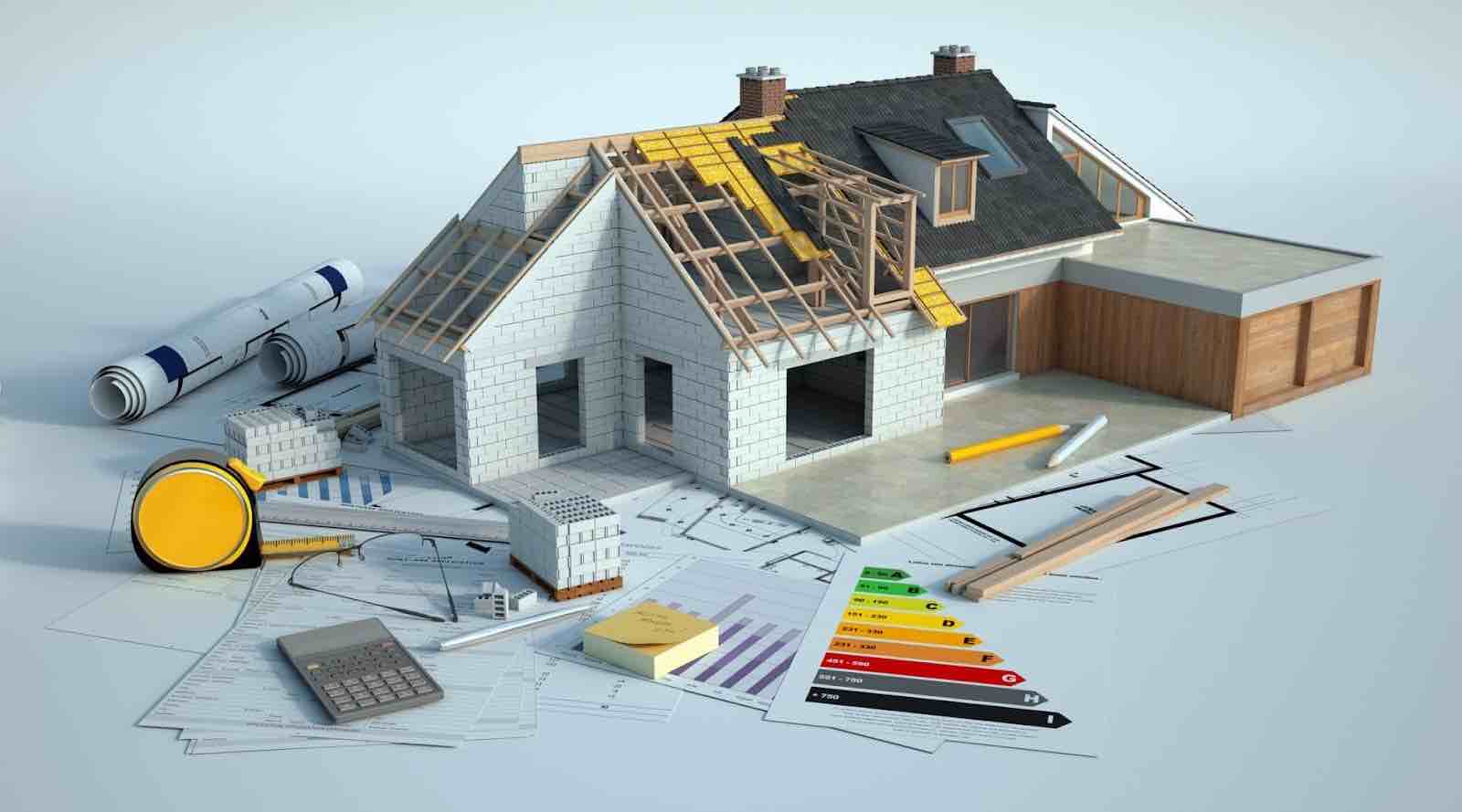
Current energy classes range from A to G. Classes B and C include The best rated appliances in terms of energy performance. In contrast, Class G includes the most energy-consuming devices. The European Commission claims that the new label should be used to avoid the consumption of 38 TWh/year (i.e. an average power of 4,332 Mw/year) by 2030.
An energy label is mandatory for all household appliances sold in the EU.
The energy label includes the following information:
It concerns, among other things, lighting, domestic ovens and hoods, household appliances, televisions, etc.
Real estate is the sector in which it is easiest for individuals and professionals to improve their energy efficiency. To improve the energy performance of your home or business, start with A heat balance. Call on a professional who will measure the consumption of your various equipment.
According to the balance sheet data, the expert will tell you what changes will need to be made to optimize the consumption of your building. To improve the energy efficiency of your property, the inclusion of sources ofrenewables in your project is fundamental. Consider the installation:
Thermal insulation is one of the main ways to reduce energy costs of a building. Roof insulation can, for example, save you 25 to 30% of your energy. This will thus bring interesting energy efficiency to your building.
Find our tips for reducing your energy bills:
Thanks to the mechanism of Energy Saving Certificates (CEE), you can finance your energy efficiency work.
SirEnergies supports you in this process!
Click below for more information:
In a few clicks, organize an exchange with one of our experts.


weekly newsletter subscribers

4.9

.png)

Même le bâtiment le plus moderne et le mieux isolé perd son efficacité si ses usages sont inadaptés. La technologie et les normes ne suffisent pas : la transition énergétique est avant tout une transformation humaine.
Derrière chaque kilowattheure consommé se cache une habitude.
Un collaborateur sensibilisé comprend qu'ouvrir une fenêtre alors que le chauffage est allumé ou laisser un ordinateur en veille consomme de l'énergie inutilement. En replaçant l'humain au centre de la stratégie de gestion de l'énergie, l'entreprise s'assure que ses équipements performants sont utilisés de manière optimale, garantissant ainsi une rentabilité durable et un impact environnemental réduit.
Tertiary companies are concerned by taxes such as TICFE or TICGN. Sirenergies checks the accuracy of invoices, identifies possible exemptions, and helps correct errors to sustainably reduce costs.
Among the taxes include TICFE, TICGN, CTA, CJA and TURPE. They represent a significant part of the bill and vary according to consumption profiles. Understanding them well is essential to optimize costs.
Idéalement entre 6 et 12 mois avant l'échéance, de préférence au printemps ou au début de l'été lorsque la demande est plus faible.
Industrial companies consume large volumes of energy for their production processes. They have to deal with the volatility of prizes, multi-site management and specific taxes. Controlling costs is essential to remain competitive.
It allows you to prove your commitment to the energy transition and to meet regulatory requirements.
L'ARENH est remplacé par le VNU (Versement Nucléaire Universel), un mécanisme de redistribution des revenus excédentaires d'EDF en cas de prix très élevés, et par les CAPN, des contrats long terme pour les gros industriels.
To calculate Scope 2 emissions, use the following formula:
Energy quantity (kWh) × Emission factor (kg CO₂ e/kWh).
Use databases like ADEME for precision.
Le dispositif ARENH a laissé place au VNU (Versement Nucléaire Universel).
Ce changement structurel expose davantage les entreprises aux prix de gros, rendant la gestion des risques plus complexe qu'auparavant.
Il devient alors indispensable de définir une stratégie d'achat d'électricité avec Sirenergies pour lisser l'impact de la volatilité des marchés sur votre budget.
Communities are subject to taxes such as TICFE or TICGN. Sirenergies analyzes invoices, identifies exemption possibilities and fixes possible errors to reduce the tax burden.
Les profits include a direct reduction in bills, strengthened budgetary forecasting and better control of consumption. Businesses gain visibility and efficiency thanks to adapted tools.
Changing suppliers can allow you to benefit from more competitive prices, adapted services or better contractual conditions. Thanks to sourcing, change is happening without interruption of supply.
Farms must deal with high seasonal needs (greenhouse heating, irrigation, storage) and high volatility of prizes. Controlling these costs is essential to maintain profitability and secure the business.
La réussite d'un projet collectif énergie repose sur trois piliers fondamentaux :
En analysant votre courbe de charge pour identifier la puissance réelle appelée, puis en demandant un ajustement à votre fournisseur ou via un expert en énergie.
Un appel d’offres permet de mettre en concurrence plusieurs fournisseurs d’électricité et de gaz afin d’obtenir des conditions contractuelles optimisées. C’est une démarche transparente qui permet de choisir l’offre la plus adaptée aux besoins budgétaires et techniques de l’organisation.
Pas nécessairement sur votre facture finale. Si les prix de gros (le prix de l'énergie brute) ont baissé, les coûts d'acheminement (TURPE) et certaines taxes augmentent, compensant souvent la baisse de la part énergie.
Exceeding capacity leads to financial penalties and can impact the size of the contract. Adjust the correctly subscribed power makes it possible to avoid these additional costs.
The subscribed power must be calculated according to the consumption profile and uses (heating, industrial processes, tertiary equipment). One fine analysis makes it possible to ensure the adequacy between real need and contract.
Les coopératives de taille ETI ou grande entreprise peuvent être soumises à l'audit énergétique réglementaire (norme NF EN 16247). Sirenergies n'a ni la compétence ni l'accréditation pour réaliser cet audit : nous vous orientons vers un bureau d'études partenaire accrédité, et vous accompagnons en amont sur vos achats et en aval sur le pilotage.
This makes it possible to choose the right time to contract, secure your budgets and anticipate increases.
Yes. The supplier guarantees an offer 100% renewable via the official Guarantees of Origin (GO) mechanism.
For the most demanding companies, the offer GREENVOLT+ ensures very low carbon intensity electricity, sourced exclusively from independent French producers (hydraulic, wind, solar).
Some businesses may obtain a partial or total exemption from the TICFE or the TICGN, depending on their activity and energy intensity. The support of an expert makes it possible to identify the eligibility criteria and to put together the file.
Plusieurs leviers existent pour préserver la fiscalité locale :
The industry is concerned by TICFE, TICGN and other contributions that may represent an important part of invoices. Sirenergies identifies cases of exemption and accompanies the procedures to benefit from them.
The €/MWh is a price unit used in wholesale markets, while kWh is the unit visible on your bills.
Farms are subject to taxes such as TICFE or TICGN. Sirenergies verifies their application, identifies cases of exemption and accompanies the procedures to reduce the tax burden.
En 2026, les principaux leviers sont : la renégociation de votre contrat de fourniture au bon moment, l'optimisation de votre tarif d'acheminement (TURPE), la vérification de votre éligibilité aux taux réduits de taxes (Accise), et la réduction de votre consommation (efficacité énergétique, autoconsommation).
Sourcing offers better visibility on the market and promotes the selection of competitive contracts. It helps to reduce the risks associated with price volatility and to optimize the energy budget.
One invoice consists of several elements: consumption, supplier share, taxes and contributions. The analysis of each line makes it possible to identify possible errors and to check the consistency with the signed contract.
All businesses, from SMEs to large organizations, can benefit from this service. Les local authorities also find it a lever to better control their budgets.
C'est le levier le plus rapide pour obtenir des résultats visibles. L'éclairage représente environ 40 % de la consommation d'électricité d'une commune.
Passer au LED avec pilotage intelligent permet de réduire la facture de 50 à 80 %, avec un retour sur investissement (ROI) rapide, souvent estimé à 2 ou 3 ans.
Le calendrier 2026 impose deux échéances majeures :
Pour simplifier ces démarches, vous pouvez centraliser vos données de consommation avec la plateforme Pilott de Sirenergies, garantissant ainsi la conformité de vos rapports réglementaires.
Sourcing consists in identifying and analysing the offers of several electricity and gas suppliers. This approach makes it possible to obtain contracts adapted to the consumption profile and budgetary constraints of the company.
Tertiary companies must manage their energy costs while guaranteeing the comfort of users (offices, shops, services). Consumption is often linked to heating, air conditioning and lighting, which requires precise monitoring to avoid budgetary excesses.