




Summarize with AI

November 4, 2026
6
Min reading
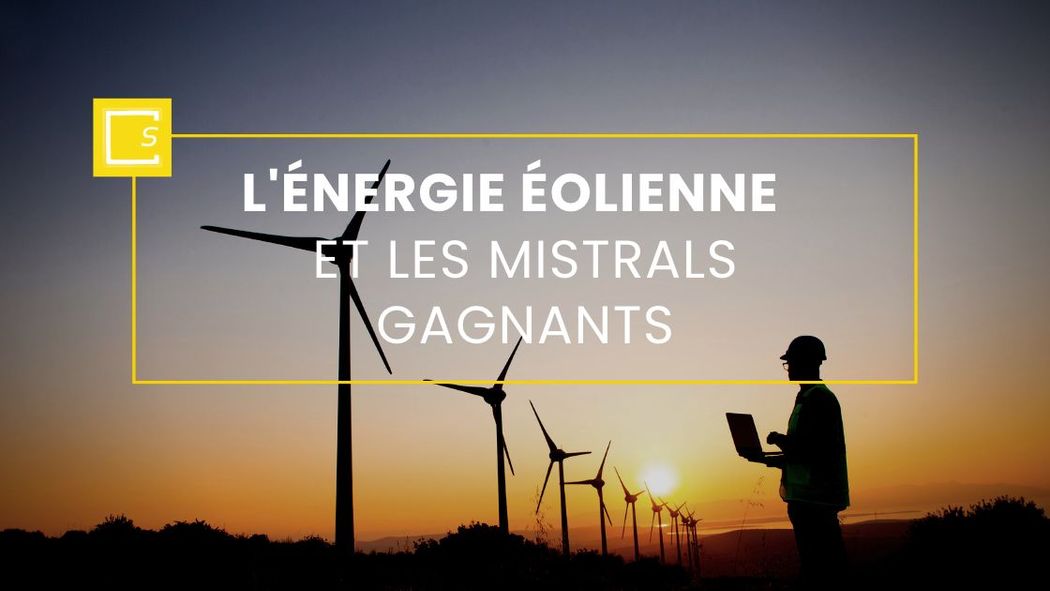
Wind energy, known in French as « énergie éolienne » after Aeolus, the Greek god of the winds, is produced by harnessing the kinetic energy of the wind. Wind turbines are machines that convert this energy into mechanical energy, which in the past was used for tasks such as pumping water or grinding grain.
Wind energy has become a key source of electricity for a cleaner and more sustainable energy model. Thanks to technological progress, some wind turbines, the modern successors of windmills, now produce electricity at a cost as low as that of coal-fired or nuclear power plants.
Wind energy comes from the wind: air currents carry this kinetic energy. It is captured by the rotor and the generator. The rotor converts the kinetic energy of the wind into mechanical energy, and the generator converts it into electricity. It is a renewable energy that plays a major role in transforming the way electricity is produced.
To produce electricity with a wind farm, the wind must blow at a suitable speed. Before building a wind farm, the wind and the site must be analysed, taking into account wind speed and frequency.
Measuring the wind requires specific equipment installed at different heights. Depending on the budget, the site and its characteristics are measured, and the locations of the masts must be taken into account.
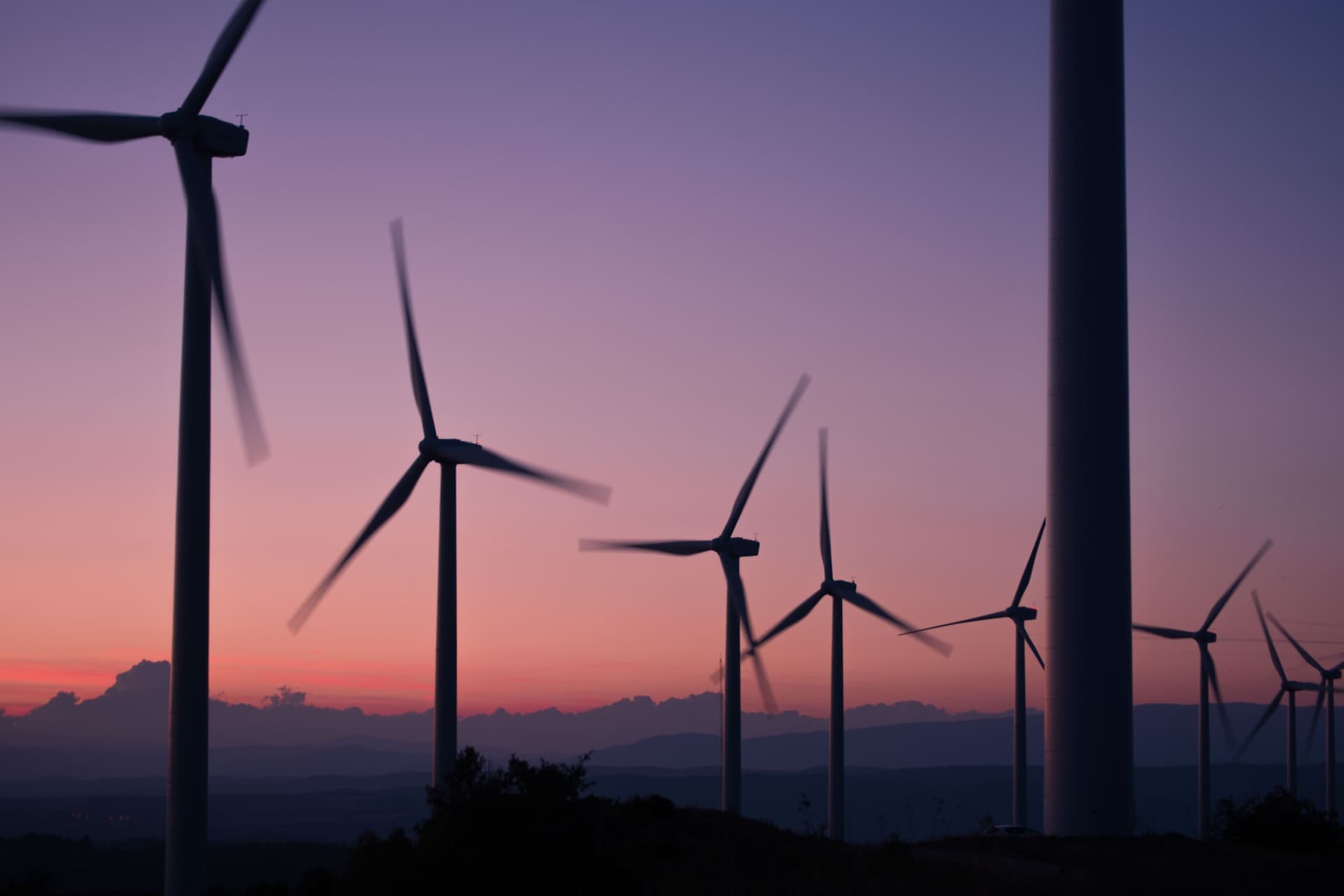
Wind energy is produced by the rotation of a wind turbine's blades, driven by the wind. The mechanical rotation of the blades drives a generator, which produces electricity.
The rotation is transmitted to a gearbox, which speeds up the generator and increases the amount of electricity produced. The electricity is then fed into the power grid and delivered to consumers.
Wind energy depends on the wind, which must blow fast enough to turn the blades.
As a result, wind farms must be located in places where the wind is strong and frequent. The turbine must face the wind, thanks to a wind vane on the nacelle.
Each turbine in a wind farm is connected to the others by underground cables, which carry the electricity to a substation. The electricity is then transmitted to the areas where it is consumed.
There are currently two types of wind energy, depending on where the turbines are installed:
Onshore wind energy produces electricity from wind farms located on land. A series of turbines converts the kinetic energy of the wind into electricity, which is fed into the power grid.
Offshore wind energy harnesses the power of the wind at sea. At sea, the wind is stronger and more constant because there are no obstacles. To make the most of this resource, structures are built on the seabed and fitted with the latest technical innovations.
A wind turbine is an electricity generator driven by the wind, which turns the rotor. Through a gearbox, the generator's rotor is set in motion and electricity is produced. A wind turbine has many components:
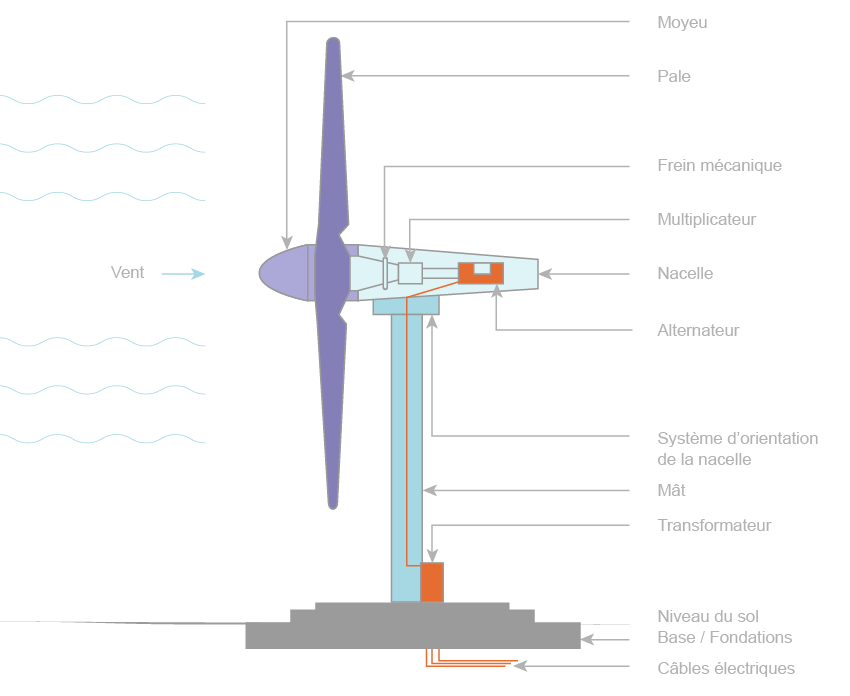
Source: Connaissance des Énergies
Together, these components ensure that the wind turbine runs properly, and they must be maintained regularly.
Wind energy offers a number of advantages.
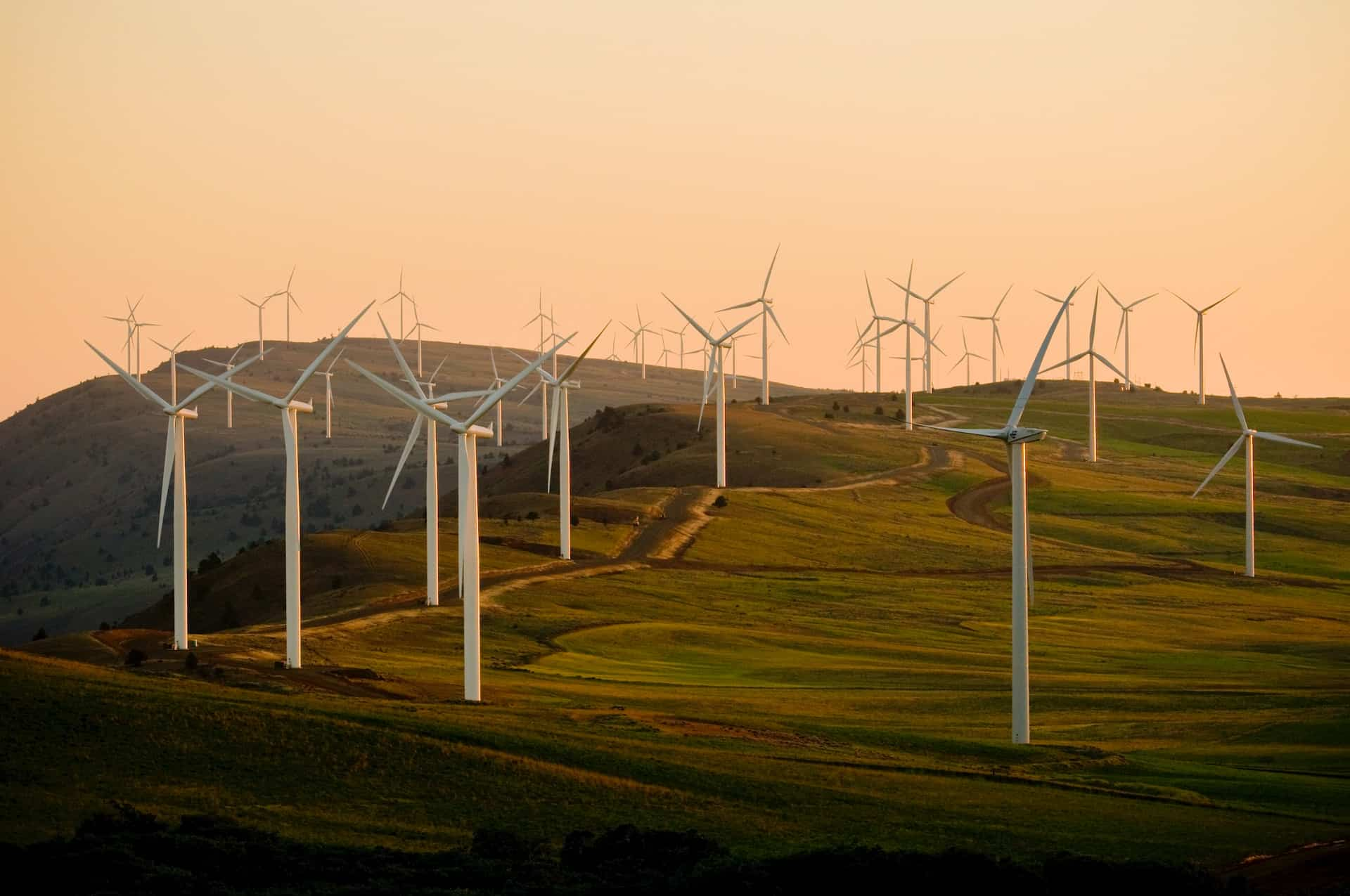
Wind is a renewable source of energy. Wind, an abundant and inexhaustible resource, can always be relied on to produce energy, and it is very common in many regions of the world.
To produce the same amount of electricity, a wind farm needs less land than a solar farm. Wind farms are also reversible: the land they occupy can easily be restored to its previous state.
After solar, wind energy is one of the cleanest sources of energy. Producing it involves no combustion, so it produces neither toxic gases nor solid waste.
The cost of wind turbines and their maintenance is relatively low, and the cost per kWh produced is fairly low in very windy areas. In some cases, the production cost is the same as that of coal, or even nuclear power.
Farming and livestock coexist easily with a wind farm, which means it has no negative impact on the local economy. Farmers can carry on with their traditional activity while gaining a new source of income.
France had around 8,000 onshore wind turbines on 1,942 sites, 60% of them in three regions: Hauts-de-France, Occitanie and Grand Est.
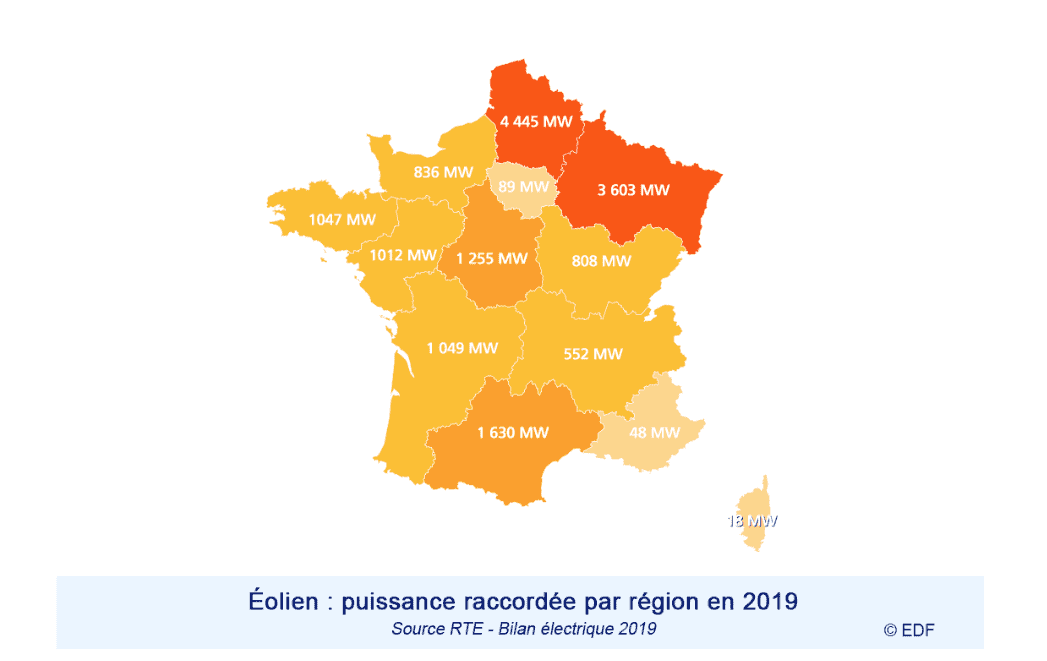
Source: EDF
At 31 December 2021, the French wind fleet had a capacity of 18.9 GW, of which 1 GW was connected during 2021, 8% less than in 2020. Projects under review represented 13.7 GW.
Wind power produced 36.8 TWh in 2021, or 7.8% of French electricity consumption.
Wind energy turns an inexhaustible resource into electricity. It is a valuable and sustainable investment. Harnessing the wind on a large scale requires wind farms with dozens of turbines.
It is a practical way to limit the use of fossil fuels and protect the environment. Despite its intermittency, wind energy is a real alternative in a world facing major pollution.
To find out more, read our article on the history of wind energy.
In a few clicks, organize an exchange with one of our experts.


weekly newsletter subscribers

4.9
