

Agricultural cooperatives: viticulture and cooperative cellars
Cooperative wineries: reduce your harvest cooling costs
Cellar ventilation, harvest-time cooling, frost protection heating, and managing multiple sites: a cooperative winery's energy needs are concentrated into just a few weeks. Sirenergies aligns your subscribed power with this peak and supports you in purchasing electricity and gas.


Key industry figures
Harvest cooling and ventilated cellars: key benchmarks for cooperative wineries
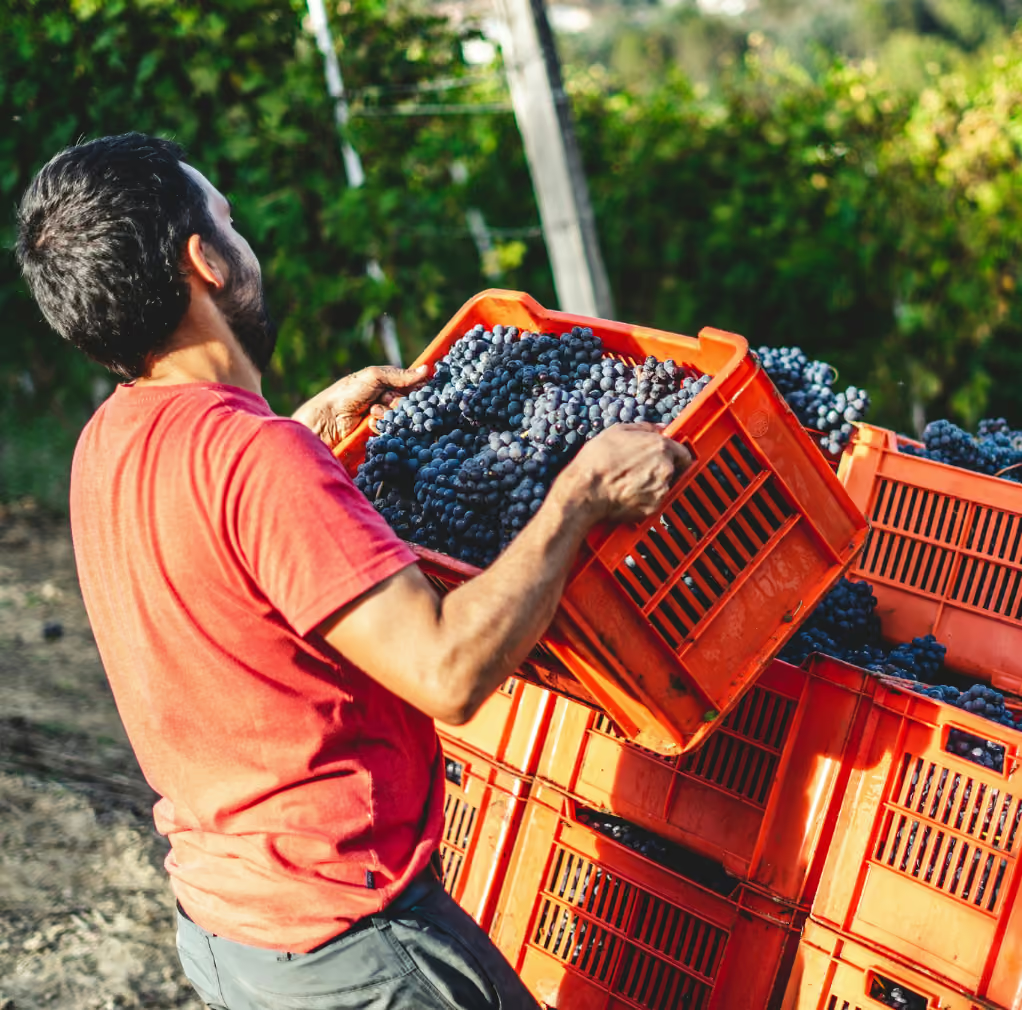
A cooperative winery concentrates its cooling needs into a few weeks of harvest, then focuses on ventilation and frost protection for the rest of the year. This rhythm dictates the power to subscribe to and the best timing for purchasing gas and electricity.
Active cooperative wineries in France, according to La Coopération Agricole.
Average energy consumed per hectoliter of wine in monitored cellars in Nouvelle-Aquitaine.
Share of electricity in the energy mix of wine estates equipped with a cellar.
The energy profile of a wine cooperative cellar
Winemaking refrigeration accounts for the bulk of the consumption peak
The reality: a few weeks of cooling that define the entire year
In a cooperative winery, electricity powers the cooling units that maintain tank temperatures during fermentation, as well as presses, pumps, and cellar ventilation. Gas, where available, heats wash water and provides frost protection for buildings. Fermentation phases alone account for nearly 45% of a winery's energy consumption (ENGIE Pro, industry estimate). This peak is concentrated during the harvest, yet the subscribed power is paid for year-round.
Our role: aligning contracts with the winemaking calendar
Your oenologists and refrigeration technicians remain in control of the tanks and cooling units; Sirenergies works on the contracts, right by your side.
- Power: analysis of load curves for each cellar to adjust subscribed power to the harvest peak.
- Distribution: power levels by TURPE (public electricity network usage tariff) periods and ATRD (third-party access to gas distribution networks) options reviewed annually.
- Procurement: a tender process that groups your cellars together, where you select the offer based on our recommendation, followed by day-to-day monitoring in Pilott.

Your energy challenges
The 3 energy challenges for cooperative wineries
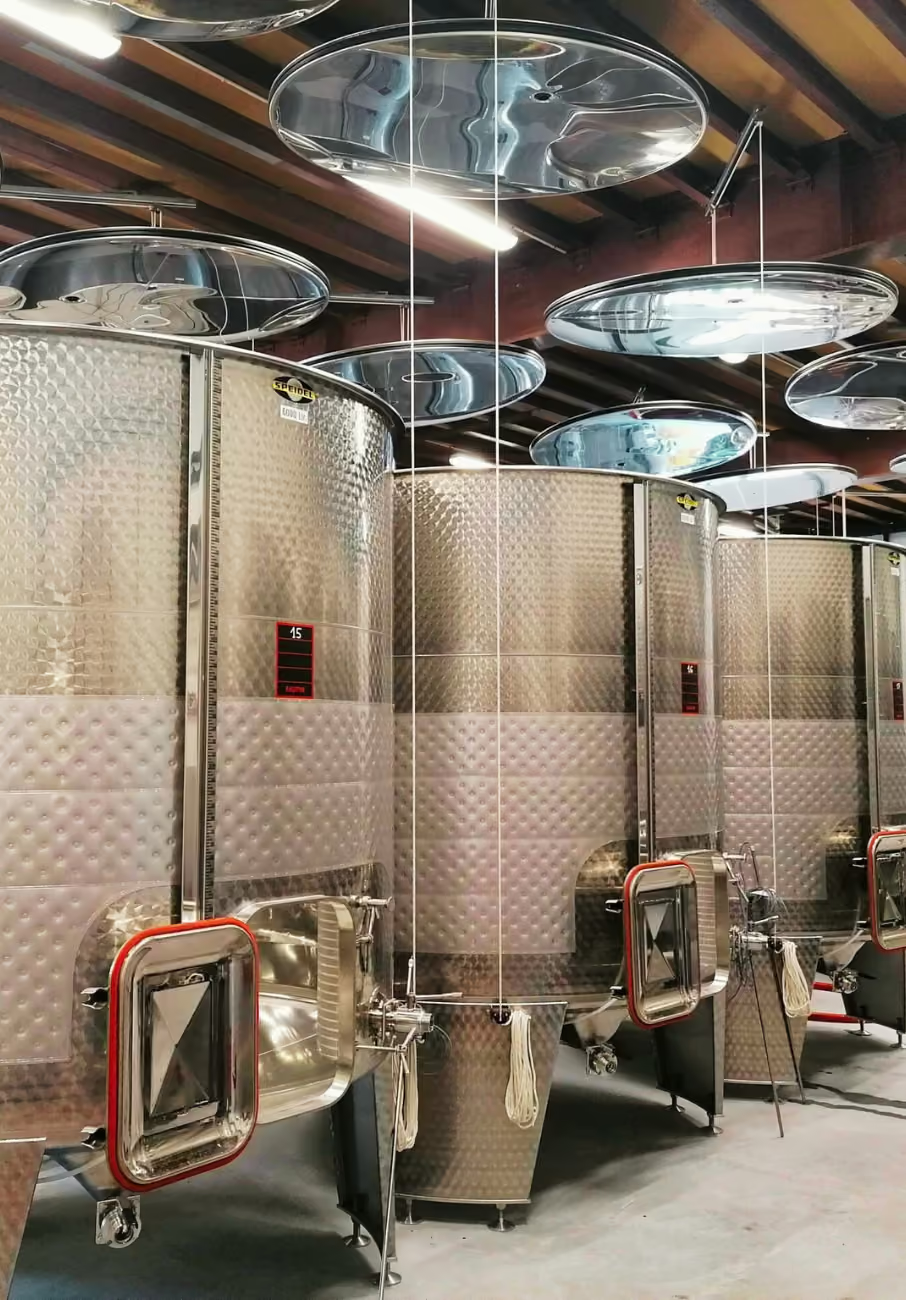
A cooling peak during the harvest, tank and cellar insulation affecting cooling unit performance, and multiple sites with incomparable contracts: this is where a cooperative winery's energy bill is determined. Sirenergies addresses these three areas through contracts, distribution, and measurement.
Electricity demand spikes during harvest
Cooling fermentation tanks accounts for the majority of a winery's electricity consumption during the few weeks of harvest, creating a risk of exceeding your subscribed power limit if your contract isn't calibrated for this peak.
Subscribed power audit before harvest
Sirenergies analyzes your load profiles and adjusts your electricity contract ahead of the season to avoid costly overage charges.

Insulation and thermal regulation control
Proper insulation of tanks and cellars significantly reduces the load on cooling units, yet it remains an underutilized resource in many older cooperative wineries.
Energy assessment and targeted recommendations
Sirenergies identifies areas where contractual adjustments or guidance on best operational practices can lower costs, without ever performing regulatory energy audits.
Managing multiple wineries and sites
Cooperative wineries often bring together several winemaking and storage sites, resulting in scattered invoices and contracts that are difficult to compare.
Centralized management with Pilott
Sirenergies centralizes the monitoring of all your sites on a single platform, with alerts for any deviations. All your contracts are in one place, regardless of any changes in suppliers.
Contractual and data expertise
Optimizing and managing contracts for your cooperative wineries
From the refrigeration units that keep fermentation tanks cool to the frost protection heating in your cellars, Sirenergies supports you with electricity and gas for all your facilities. Every recommendation is based on your harvest schedule and the volumes vinified at each site.
Contractual and capacity audit
Review of electricity and gas contracts for each winery, monitoring of power demand peaks during the harvest, and annual analysis of electricity excise duties (formerly TICFE), natural gas excise duties (formerly TICGN), and Energy Savings Certificates (CEE).
Purchasing strategy and competitive bidding
Consulting with suppliers for electricity and gas across all your wineries, analyzing offers, and providing advice on when to lock in your prices so you can approach the harvest with a known budget.
Distribution optimization (TURPE / ATRD)
Electricity: TURPE power levels adjusted by period to match harvest cooling needs. Gas: ATRD options reviewed based on actual cellar consumption. Includes all necessary coordination with network operators.
Harvest pricing modeling
Projecting the energy budget for the season based on vinified volumes and various price scenarios. The same simulation calculates photovoltaic self-consumption on cellar rooftops, reflected across both your utility bills.
Pilott software platform
All your wineries on one interface: previous day's consumption, electricity and gas price alerts, seasonal budget projections, and centralized contracts, with data export available via CSV or API.
Expert consulting dedicated to cooperative wineries
A dedicated consultant tracks your markets and deadlines, prepares each season with you, keeps you informed of regulatory changes, and calculates energy costs per hectoliter vinified to help you compare your wineries.
Our platform
Pilott, simplified management to track your consumption
- Bring all your wineries and their meters together on one screen
- Monitor the ramp-up of cooling power during the harvest with next-day data
- Receive an alert when electricity reaches your target price threshold before the season begins
- Simulate your seasonal budget and manage your contracts in one place


Agricultural cooperatives
Explore other processes
Un autre secteur ?


Methodology and definitions
What is energy consulting for viticulture and cooperative wineries?
During the harvest, a cooperative winery often draws as much electrical power in a few days as it does for the rest of the year. Energy consulting involves adjusting subscribed power and gas capacity for the season, managing energy procurement for all wineries in the group, and monitoring each site—a task that Sirenergies consultants perform using the Pilott platform.
Extensive vineyards, concentrated seasons
France has approximately 750,000 hectares of vineyards dedicated to wine (CNIV, key figures). In a single season, the vinification of these harvests takes place over just a few weeks, precisely when cooling requirements are at their peak.
Our levers:
- Power: a subscribed level aligned with the season, with no overages during the height of the harvest.
- Procurement: a joint consultation for your wineries, prepared before the summer.
- Distribution: TURPE (public electricity network usage tariff) and ATRD (third-party access to gas distribution networks) reviewed based on each winery's activity.




How much can your cooperative winery really save?
A no-obligation analysis of your contracts before your next winemaking season.

