

Agricultural cooperatives: grain drying and storage
Grain cooperatives: lower your drying costs
A few autumn weeks to gas-dry corn, followed by months of electric ventilation to preserve the grain: a grain cooperative's energy needs are concentrated into a short season across dozens of silos. Sirenergies analyzes your gas and electricity contracts and advises you on the best time to buy.


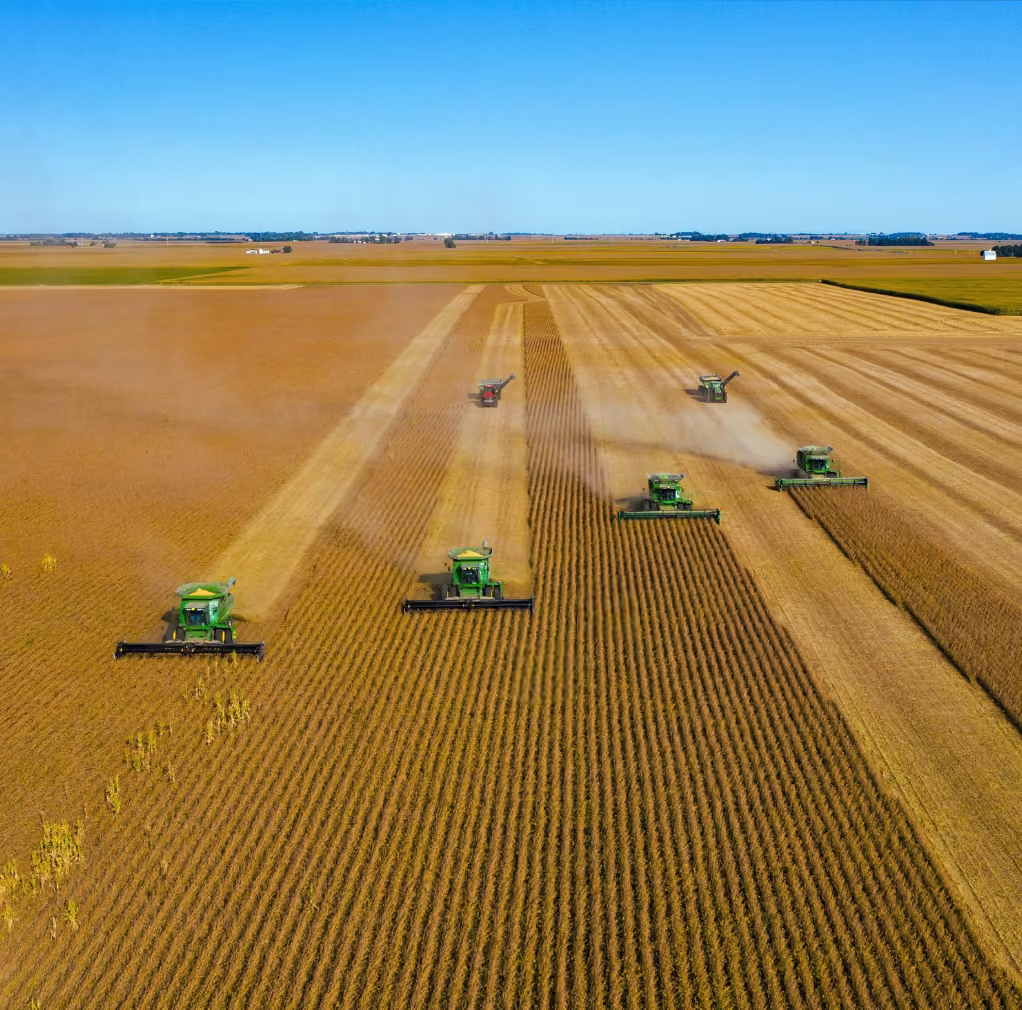
Key industry figures
Gas dryers and ventilated silos: the impact of a harvest season
A storage facility's consumption peaks during the harvest and then drops, while subscription costs remain high. Measuring this rhythm, silo by silo, is the starting point for an effective gas and electricity procurement strategy.
Thousands of toe consumed in France for drying grains and seeds.
Share of gas in the corn drying costs for a Cuma in the Béarn region.
Hours of silo ventilation saved with an automatic thermostat.
The energy profile of a grain cooperative
Gas dryers and silo ventilation share the bill
The situation: a gas dryer, electric silos
Corn drying dominates a grain cooperative's bill: reducing one ton from 30% to 15% moisture consumes approximately 224 kWh (Landes Chamber of Agriculture and Arvalis). This heat most often comes from natural gas, which is exposed to market prices. Electricity powers conservation ventilation, handling, and shipping. Peaks occur from the harvest through the end of the corn season, and contracts are spread across dozens of collection sites.
Our role: aligning contracts with the harvest season
Your teams and manufacturers remain in control of the dryers and silos; Sirenergies advises your management on three levers:
- Procurement: a consultation that consolidates your collection sites, gas, and electricity, with a price-fixing schedule that you decide before the harvest.
- Distribution: TURPE (public electricity network usage tariff) power levels and ATRD (third-party access to gas distribution networks) options aligned with the harvest season and the rest of the year.
- Taxes and monitoring: excise duty on electricity (formerly TICFE) and excise duty on natural gas (formerly TICGN) verified, with consumption tracked at D+1 in Pilott.


Your energy challenges
The 3 energy challenges for grain storage organizations
A gas peak concentrated over a few autumn weeks, silo ventilation that runs without always cooling the grain, and an electricity subscription sized for the harvest but paid for all year round: grain cooperatives face a triple challenge. Sirenergies addresses these through contracts, distribution, and monitoring.
Consumption peak concentrated in autumn
Drying corn and autumn cereals concentrates the bulk of annual gas and electricity consumption into just a few weeks of the season, making a standard contract ill-suited.
Gas contract aligned with the season
Sirenergies structures a contract that follows this peak rather than a year-round flat-rate subscription, and secures your gas purchases ahead of the harvest.

Poorly regulated silo ventilation
A significant portion of electricity consumption in silos comes from poorly regulated ventilation, which can run for long periods without effectively cooling the grain.
Audit of subscribed power and load profiles
Sirenergies analyzes your readings per silo to adjust your electricity contract to your actual ventilation needs.
Subscribed power poorly calibrated outside of peak season
Outside of the harvest period, silos consume much less energy, which can make a subscription sized for peak usage expensive for the rest of the year.
Adjustable subscribed power
Sirenergies explores the possibility of a subscribed power level adapted to both operating modes—peak season and off-season—to avoid paying for an oversized subscription year-round.
Contractual and data expertise
Optimization and management of your dryer and silo contracts
From gas dryers running during the harvest to electric ventilation for grain preservation, Sirenergies supports you with both energy sources at your collection sites. Every recommendation is based on your campaign calendar and the number of silos to be monitored.
Contractual and capacity audit
Inventory of gas and electricity contracts for each collection site, verification of subscribed power and daily capacity during the campaign, and annual analysis of excise duties and CEE certificates applicable to dryers.
Purchasing strategy and competitive bidding
Consultation with our partner suppliers for dryer gas and silo electricity across all sites, offer analysis, and advice on when to lock in your prices well before the harvest.
Distribution optimization (TURPE / ATRD)
Gas: ATRD option and daily capacity aligned with the drying peak. Electricity: TURPE power levels adjusted for both campaign and off-campaign periods. Includes handling of all grid operator procedures.
Campaign tariff modeling
Projection of the campaign energy budget based on collected volumes, corn moisture at harvest, and various price scenarios, followed by cost analysis for photovoltaic self-consumption on silo roofs.
Pilott software platform
All your collection sites on one interface: previous day's consumption silo by silo, price alerts for gas and electricity, campaign budget projections, and centralized contracts, with CSV or API export options.
Expert consulting dedicated to cooperatives
A dedicated consultant tracks your markets and deadlines, prepares each campaign with you, keeps you informed of regulatory changes, and calculates energy costs per dried ton to help you compare your sites.
Our platform
Pilott, simplified management to track your consumption
- Bring all your collection sites and their silos together on one screen
- Track your dryer consumption at D+1 during the campaign
- Receive an alert when gas prices reach your threshold before the harvest
- Simulate your seasonal budget and manage your contracts in one place


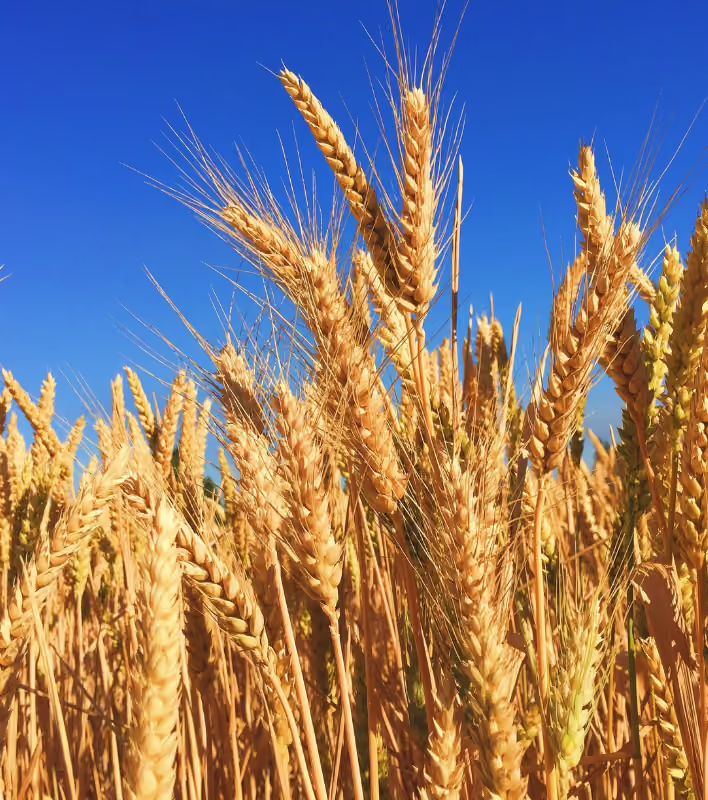
Agricultural cooperatives
Explore other processes
Un autre secteur ?


Methodology and definitions
What is energy consulting for grain drying and storage?
For a grain cooperative, energy consulting involves aligning gas purchases for dryers and electricity for silos with the harvest calendar, then adjusting distribution costs for two regimes: the campaign peak and the rest of the year. Sirenergies consultants lead this work and monitor each collection site via the Pilott platform.
A grid paid for all year round
As of August 1, 2026, the TURPE for sites connected to medium and low voltage increased by an average of 3.04% (CRE, deliberation no. 2026-105 of May 21, 2026). For silos with a twelve-month subscription, the subscribed power weighs all the more heavily on the off-campaign bill.
- Purchasing calendar: dryer gas prices fixed before harvest, in several installments of your choosing.
- Power: TURPE (public electricity network usage tariff) and ATRD (third-party access to gas distribution networks) reviewed for both schemes.
- Monitoring: energy cost per dried ton measured at D+1 in Pilott.

How much can your cooperative save on its drying season?
Your contracts and invoices from the last season are all we need to calculate the potential. No obligation.

