




Summarize with AI

March 6, 2026
4
Min reading
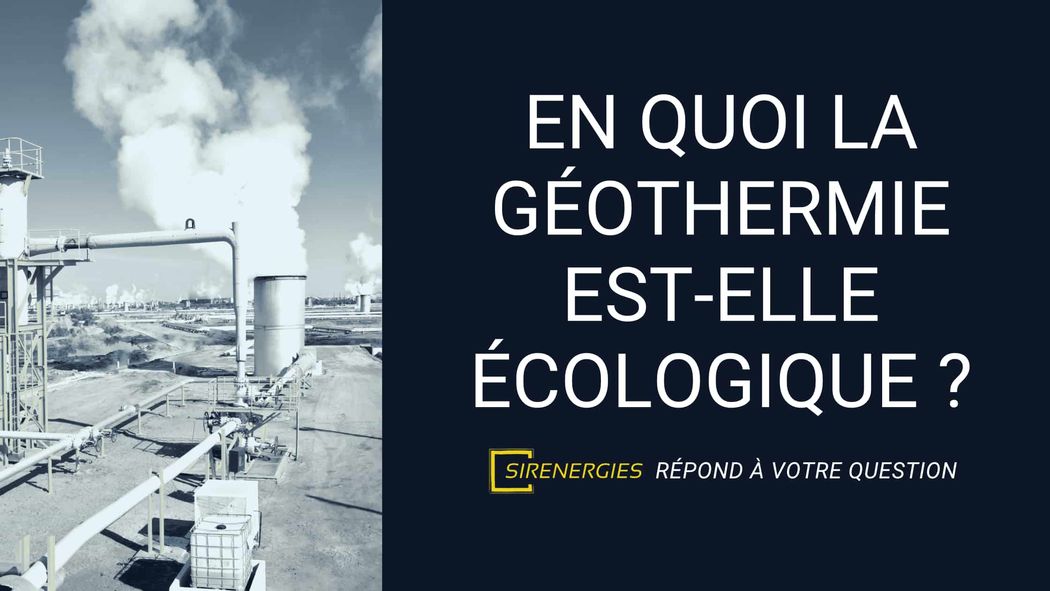
Still unknown, geothermal energy is a sustainable and environmentally friendly energy. It comes from the Greek word “ge” which means earth and from “thermos” which means hot. It is a renewable energy that essentially uses the thermal properties of the earth to produce heat and electricity.
The operating principle of the geothermal energy relies on the exploitation of the earth's heat.
In fact, the temperature of the land and the water increases by about 3 degrees for every 100 meters of depth. This heat contained in the ground and groundwater is then recovered through various techniques to allow the heating of a building or a house, but also the production of electricity. Different categories of geothermal energy exist depending on temperature, depth and use.
La very low energy geothermal, for example, corresponds to the temperature below 30°C between 10 and 200 m deep. This type of geothermal energy makes it possible to heat or cool single-family homes, commercial buildings and others using heat pumps.
La low energy deep geothermal, for its part, refers to a water temperature between 30 and 90°C and operating depths ranging from 200 to 2,500 m. Using two holes, the water from the aquifers rises to the surface and then goes back to the depth. This process makes it possible to heat neighborhoods and industrial parks using heating networks installed on the surface.
La high energy geothermal energy Allows you to Generate electricity with deep water vapor sources by treating temperatures of more than 150°C. This can also be done by injecting water into a deep, dry and hot rock and recovering it on the surface. Cogeneration for heat recovery is also possible with high-temperature geothermal energy.
Geothermal energy is considered to be renewable energy. In fact, Earth's heat is a continuous and inexhaustible source of energy. Unlike the wind or the sunlight, she is usable 24 hours a day and accessible from any continent.
Geothermal energy is also appreciated for its ecological side. Compared to other heat generation devices, it has a limited environmental impact. Reducing the use of fossil fuels to supplement during cold periods, Deep geothermal installations emit very few greenhouse gases. According to ADEME, geothermal energy would produce 55 g of CO2 per kWh on average, while a power plant running on natural gas would produce ten times as much.
Japan, China, Russia, the United States as well as Central and Eastern Europe are the main producers of heat via geothermal energy. In France, the latter is the third renewable energy in terms of energy produced, after biomass and hydroelectricity.
As stated above, geothermal energy makes it possible to heat buildings and to produce electricity. Heat pumps are often used to heat individual homes and buildings.
These are small-scale geothermal devices that use the earth's heat to Heat the home and produce domestic hot water. The geothermal heat pump actually uses a heat transfer liquid that circulates through a pipe to reach a level heated by the ground. This will then boil and pass into the state of steam, which will be compressed to increase the temperature of the rooms.
For large-scale energy production, the establishment of geothermal power plants is essential. It is an installation composed of a heat pump, a factory for the transformation of steam into electricity and power lines.
In France, for example, there is the Créteil geothermal site. The heating and hot water needs of more than 60,000 inhabitants are covered by the district heating network.
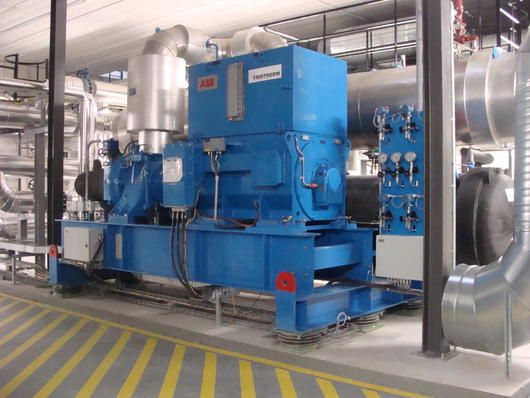
Créteil geothermal heat pump - Source: Dalkia
The advantages of geothermal energy are numerous and not insignificant. In addition to allowing the Reduction of The carbon footprint And of preserve the planet's resources, geothermal heat pump heating makes it possible to reduce energy bills.
This equipment is suitable for both electric and central heating. In the case of electric heating, for example, heat will be distributed using fan coil units which are supplied by the heat transfer fluid. On the other hand, the heat pump will diffuse heat through the central heating through high or low temperature emitters (conventional radiators, heated floors, soft heat radiators, etc.).
Although the cost of installing a geothermal heat pump is quite substantial, the operation provides access to various assistance devices such as MaPrime Rénov', the zero-interest eco-loan and the Habiter Mieux grant from Anah. Of course, access to these devices is subject to certain conditions.
Despite its strengths, geothermal energy has some risks and drawbacks. Drilling that is not carried out according to the rules of the art can have serious consequences such as a water leak. The latter can spread very quickly, especially if the ground is sloping. Infiltrating into the basement, it can deteriorate the materials it encounters and lead to uplift, subsidence, etc. To avoid this, a soil quality study must be carried out before work is carried out.
In a few clicks, organize an exchange with one of our experts.


weekly newsletter subscribers

4.9

.png)

The range E @sy is available in four pricing structures to adapt to each risk profile:
Les caves coopératives de taille ETI ou grande entreprise peuvent être soumises à l'audit énergétique réglementaire (norme NF EN 16247). Sirenergies n'a ni la compétence ni l'accréditation pour réaliser cet audit : nous vous orientons vers un bureau d'études partenaire accrédité, et vous accompagnons en amont sur vos achats et en aval sur le pilotage.
Yes. The supplier guarantees an offer 100% renewable via the official Guarantees of Origin (GO) mechanism.
For the most demanding companies, the offer GREENVOLT+ ensures very low carbon intensity electricity, sourced exclusively from independent French producers (hydraulic, wind, solar).