





Summarize with AI

March 6, 2026
4
Min reading

According to The International Energy Agency, we went from a final energy consumption in 1973 of 194 exajoules to 418 exajoules in 2019, an increase of 115% in 46 years. Given the rapid evolution of population growth, urbanization and industrialization, it is very likely that we will consume more in the years to come.
Are we going to have enough resources to live? We can then ask ourselves about the current state of exploitation of possible energy sources in order to respond to this strong demand. The observation is that not all energy sources have yet been exploited.
Over time, research has made it possible to identify new sources to facilitate human activity. You therefore have the pleasure of using numerous energy sources for your activities.
Today we distinguish in the first place fossil fuels such as natural gas, oil, and coal. In the category of non-renewable energies, we should also mention Nuclear energy Who is widely used for electricity production in most developed countries.
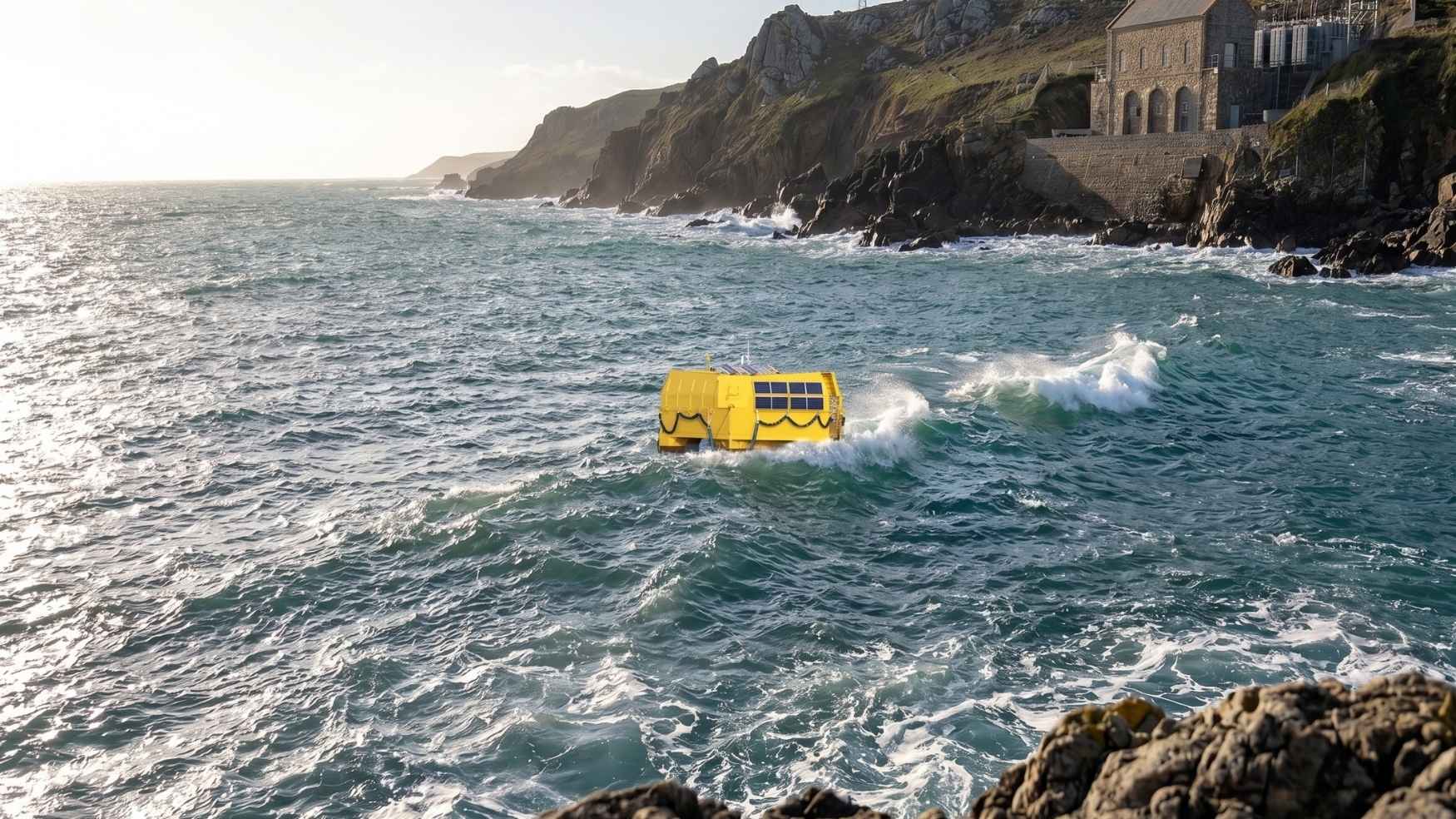
We then operate renewable energies or clean energies such as:
In the renewable energy category, thermal sources are also present, such as geothermal energy, Biomass (biogas, biofuel, wood), the incineration of organic matter, Heating networks and thermal energy by heat pump. Apart from resources not yet discovered by science, some of these energies are not yet exploited to their full potential.
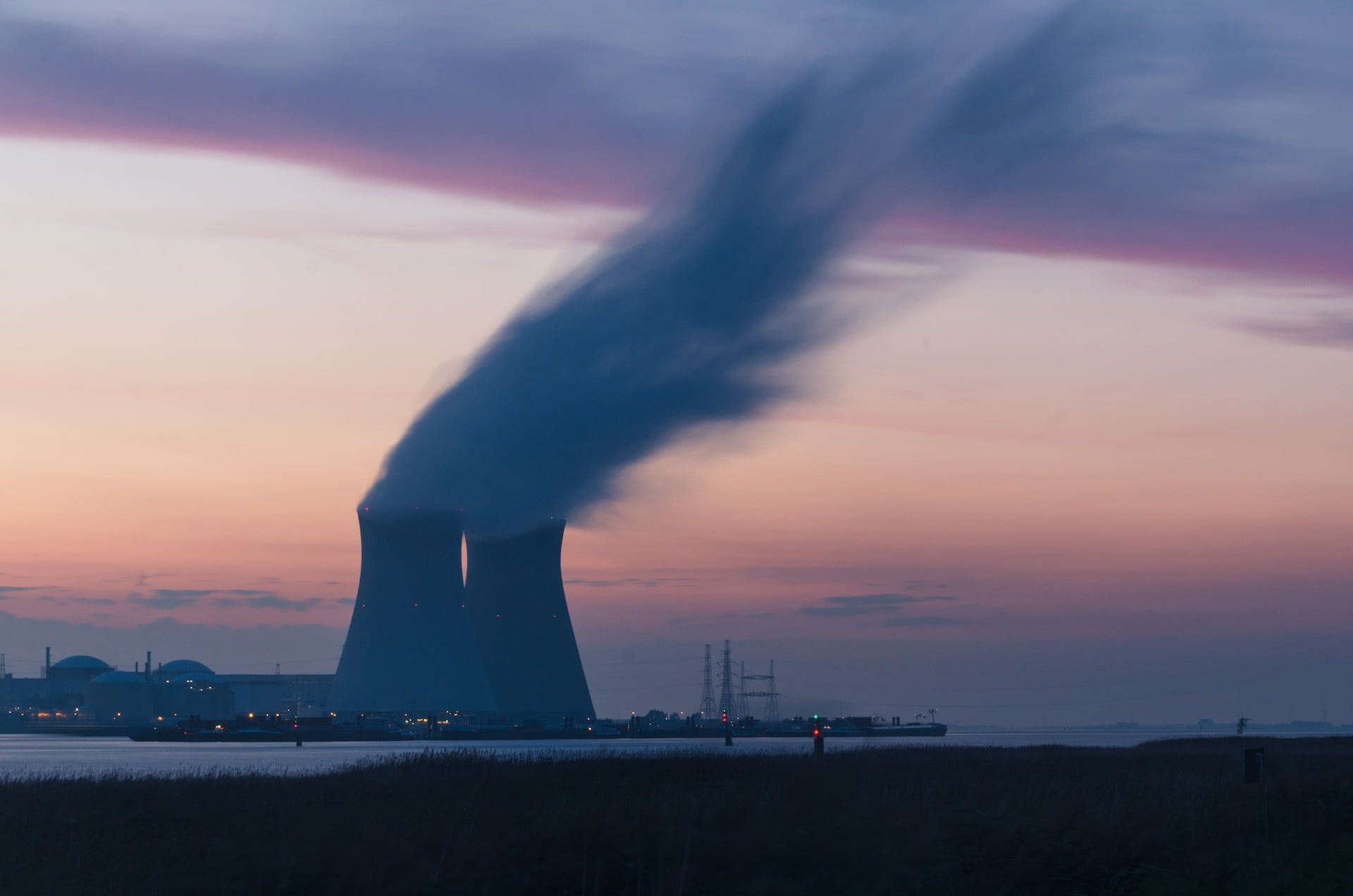
Research on radioactivity and the properties of atomic nuclei has made it possible to take advantage of nuclear energy, in particular through the fission of uranium-235 atoms.
Under certain conditions created in the reactors of nuclear power plants, it is possible to cause uranium atoms to undergo a fission that causes a colossal amount of energy. It is then used to drive turbines and alternators using steam. Even if the operation does not produce greenhouse gases like The CO2, the high radioactivity of the particles emitted can have a significant environmental impact on the human life scale in case of lack of control.
Uranium reserves are not unlimited; it is estimated that they could be sufficient for use over nearly a century. So what will happen when the uranium stock is exhausted? Presumably then we should turn to the thorium, another radioactive metal with interesting properties for nuclear fission. It also has the advantage of being most abundant on Earth than uranium (four times more) and is found in most rock and soil minerals.
It is also characterized by a reduced production of radioactive waste. Research into the type of nuclear reactor suitable for the thorium fission reaction is still ongoing. Once the studies are conclusive, thorium should then become the nuclear energy source par excellence.
There is hope of generating an even more colossal quantity of energy thanks to our dear elementary particles: Nuclear fusion.
An experience at the National Ignition Facility in California carried out on August 8 last gives us an idea of the exponential quantity of energy that such a reaction can release.
For 100 trillionths of a second, it is possible to produce Ten quadrillion watts, which represents approximately four million times more production than, for example, that of the combustion of fossil energy (oil or coal). It is the same reaction that underlies solar radiation. It consists of heating plasma to several million degrees Celsius to fuse light isotopes of hydrogen to form helium.
The problem remains the instability of plasma at very high temperatures, which requires drastic and excessively expensive confinement measures. Given the current state of scientific progress, controlling nuclear fusion reactions will not happen anytime soon, at least not until the end of the century.
However, succeeding in doing so would mark a major step in the responsible global energy transition, as fusion also produces little radioactive waste and no greenhouse gases. This would have the repercussion of a slowdown in global warming.
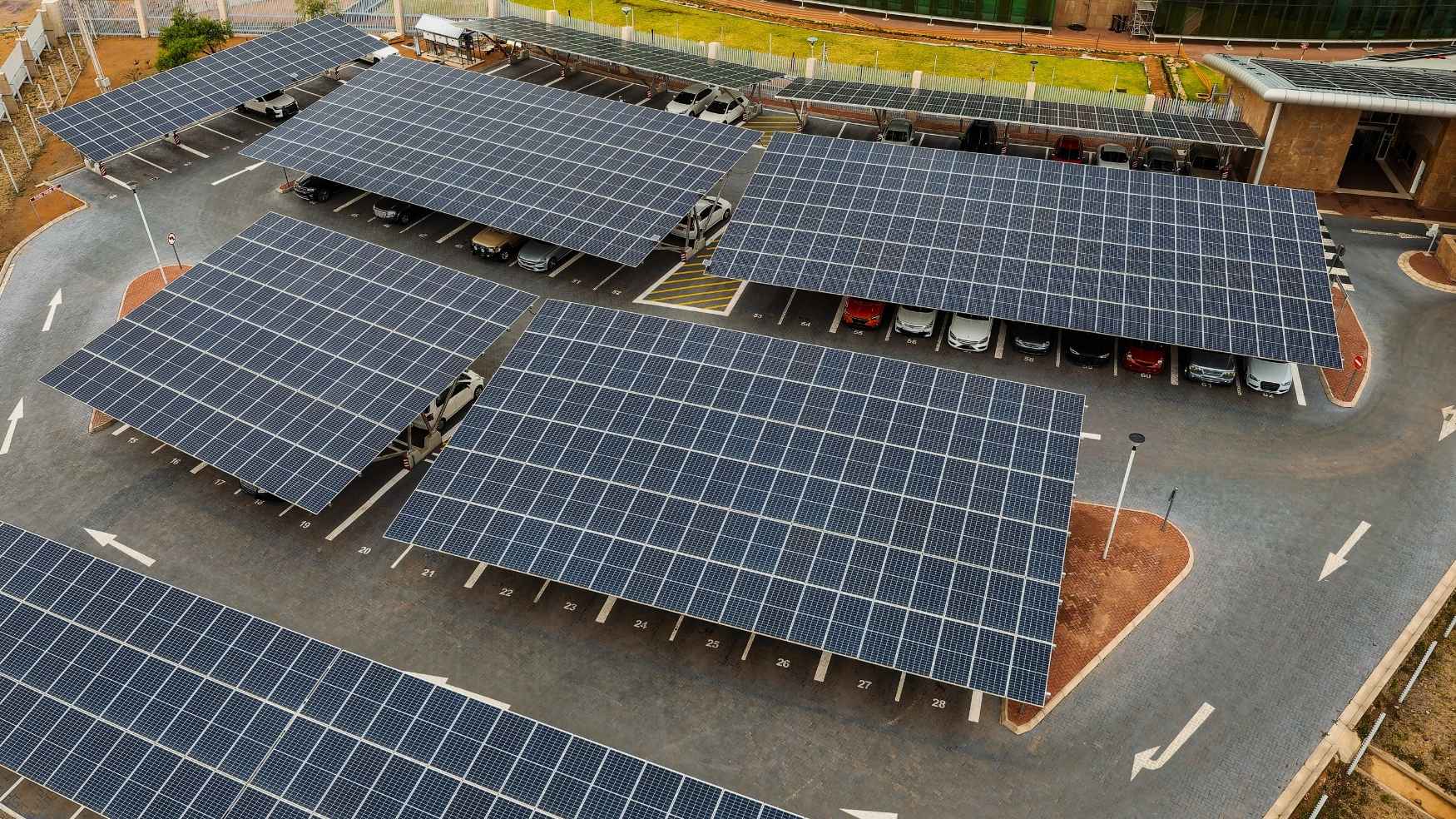
Apart from nuclear energy, it should be noted that solar energy is not exploited to its maximum potential, which is 1,070,000 PWh over one year.
Currently, she represents less than 2.2% of global energy production, which is a fairly low percentage. This is due to a problem installing solar panels, photovoltaic panels or solar thermal power plants in viable areas (preponderance of agricultural land, impossibility of using ocean surfaces, etc.).
Although this requires significant investments, it is nevertheless the only renewable energy that could meet almost half of our energy needs alone if all the favorable conditions were met.
For example, experts estimate that covering 120,000 km² of surface area (in deserts in particular) would make it possible to meet energy needs estimated at nearly 18,000 TWh/year. For comparison, current global consumption has not yet crossed the 30,000 TWh/year mark.
Fortunately, all the possible renewable energy sources known to date on Earth have not yet been exploited. There is still time for humans to be able to discover unsuspected resources. Advances in science could also lead to the discovery of new sources that are currently unknown. Our future is thus assured.
In a few clicks, organize an exchange with one of our experts.


weekly newsletter subscribers

4.9

.png)

La réussite d'un projet collectif énergie repose sur trois piliers fondamentaux :
Le calendrier 2026 impose deux échéances majeures :
Pour simplifier ces démarches, vous pouvez centraliser vos données de consommation avec la plateforme Pilott de Sirenergies, garantissant ainsi la conformité de vos rapports réglementaires.
Les coopératives de taille ETI ou grande entreprise peuvent être soumises à l'audit énergétique réglementaire (norme NF EN 16247). Sirenergies n'a ni la compétence ni l'accréditation pour réaliser cet audit : nous vous orientons vers un bureau d'études partenaire accrédité, et vous accompagnons en amont sur vos achats et en aval sur le pilotage.
It allows you to prove your commitment to the energy transition and to meet regulatory requirements.
Yes. The supplier guarantees an offer 100% renewable via the official Guarantees of Origin (GO) mechanism.
For the most demanding companies, the offer GREENVOLT+ ensures very low carbon intensity electricity, sourced exclusively from independent French producers (hydraulic, wind, solar).
To calculate Scope 2 emissions, use the following formula:
Energy quantity (kWh) × Emission factor (kg CO₂ e/kWh).
Use databases like ADEME for precision.