





Summarize with AI


Crisis in the Middle East: should you accelerate the electrification of your vehicle fleet?
October 28, 2026
8
Min reading

For businesses, the crisis in the Middle East translates first and foremost into a sharp rise in fuel prices. But beyond the immediate shock, it reveals a deeper vulnerability: a heavy reliance on fossil fuels, which are directly exposed to international tensions.
In this context, a strategic question arises: should you accelerate the electrification of your corporate vehicle fleet?
The answer is now clear: yes, depending on your usage. The electric vehicle is no longer just an environmental choice. It is becoming a lever for cost control, energy resilience, and regulatory compliance.
The stakes are even higher given that these crises are bound to recur. As Diane Strauss, Director of T&E France, points out, "This oil crisis will surely not be the last."
Today, public policy is strengthening. The solutions are mature. Now is the time to accelerate the transition to electric mobility in your company.
France began its transition to electric mobility in the 2010s. Already well underway, the momentum is accelerating with the crisis in the Middle East.
As early as 2012, electric mobility became a fixture of the national public debate: "The electric car is the future of France," declared Arnaud Montebourg, then Minister of Industrial Renewal.
After a timid start, the market took off in 2019. In 2025, electric or plug-in hybrid vehicles accounted for 26.5% of new car sales. A symbolic milestone was reached in September: for the first time, their registrations exceeded those of gasoline models.
Corporate fleets are following the same trajectory. In 2025, 19.1% of new company vehicles were electric, compared to 12% in 2024. In the AVERE survey from June 2025, 80% of the companies surveyed had at least one electric vehicle.
The market is also growing globally, driven by Asia. In 2025, more than a quarter of new cars sold were electric. According to Ember, this transition saves 1.7 million barrels of oil per day. The financial savings are also substantial:
"With a barrel of oil at 80 dollars, Europe saves about 8 billion dollars per year."
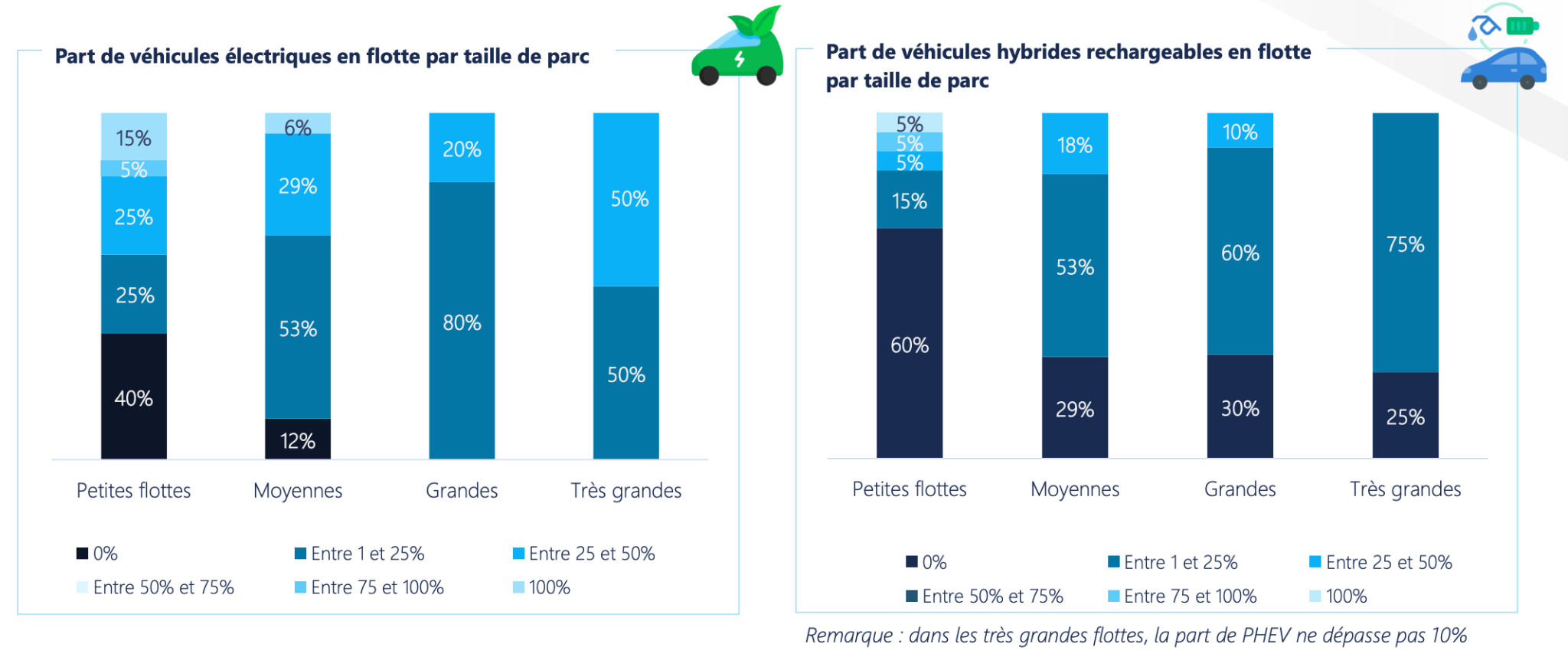
The crisis in the Middle East is accelerating the trend, driven by price pressures and energy uncertainty.
The figures confirm this change of pace:
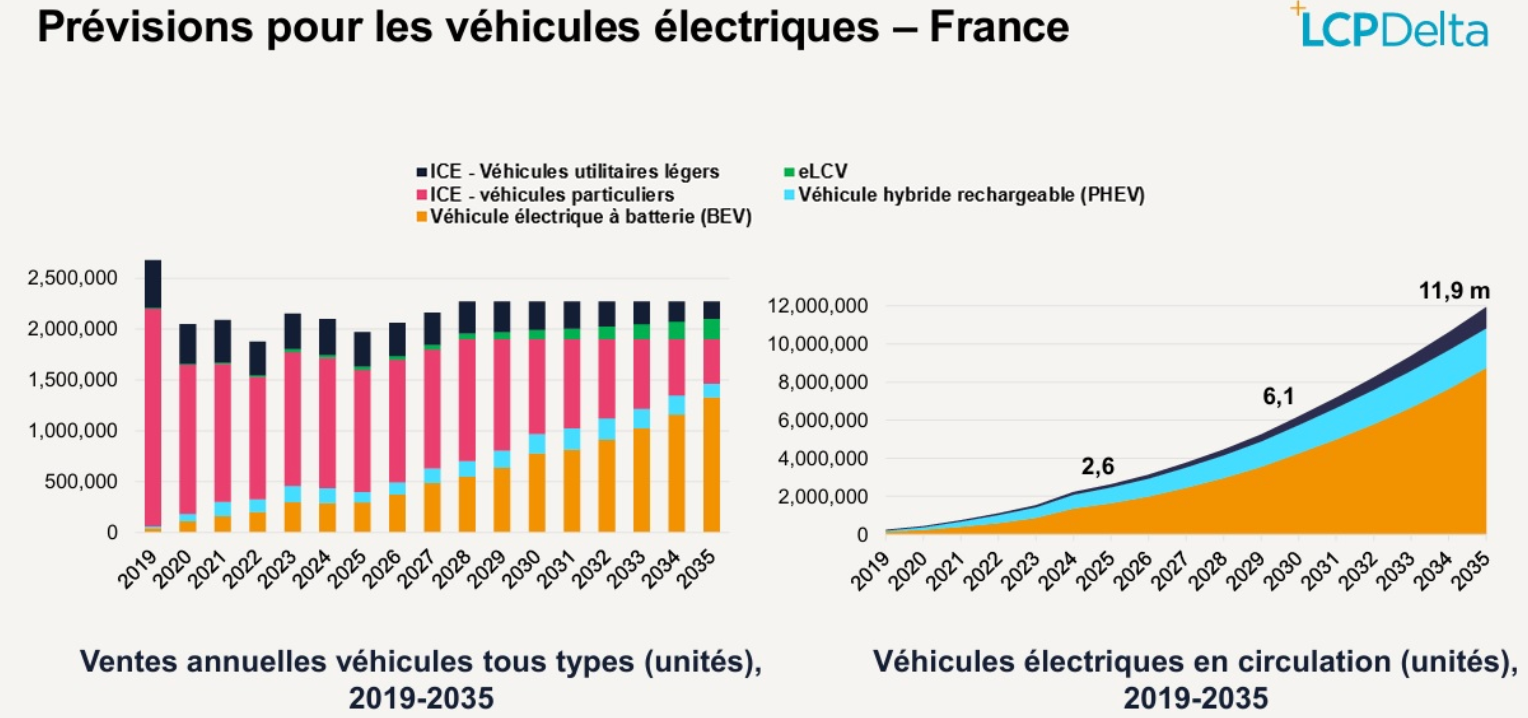
The outlook confirms this momentum. The firm LCP Delta anticipates 6 million electric vehicles in France by 2030, and 11.9 million by 2035.
Are you managing your fleet's energy strategy?
Our Sirenergies experts will size your electrical capacity and adapt your contracts for a controlled transition.
{{ask-conseil="/ctas"}}
The question is no longer whether the electric transition is underway, but how quickly companies will adapt.
The crisis in the Middle East acts as a wake-up call: electrifying your vehicle fleet is a strategic imperative. Faced with a combustion-engine model exposed to oil risks, the electric car offers a stable, sustainable, and predictable path.
The crisis in the Middle East led to an immediate rise in fuel prices in Europe: an average of +12.9%, and up to +19.8% for diesel.
For companies, the impact is direct. Operating costs can increase by hundreds or even thousands of euros per vehicle per year. Faced with this pressure, companies have three options: absorb the increase and reduce margins; pass it on, risking competitiveness; or regain control of costs and risks with electric vehicles.
Electrifying mobility offers three advantages:
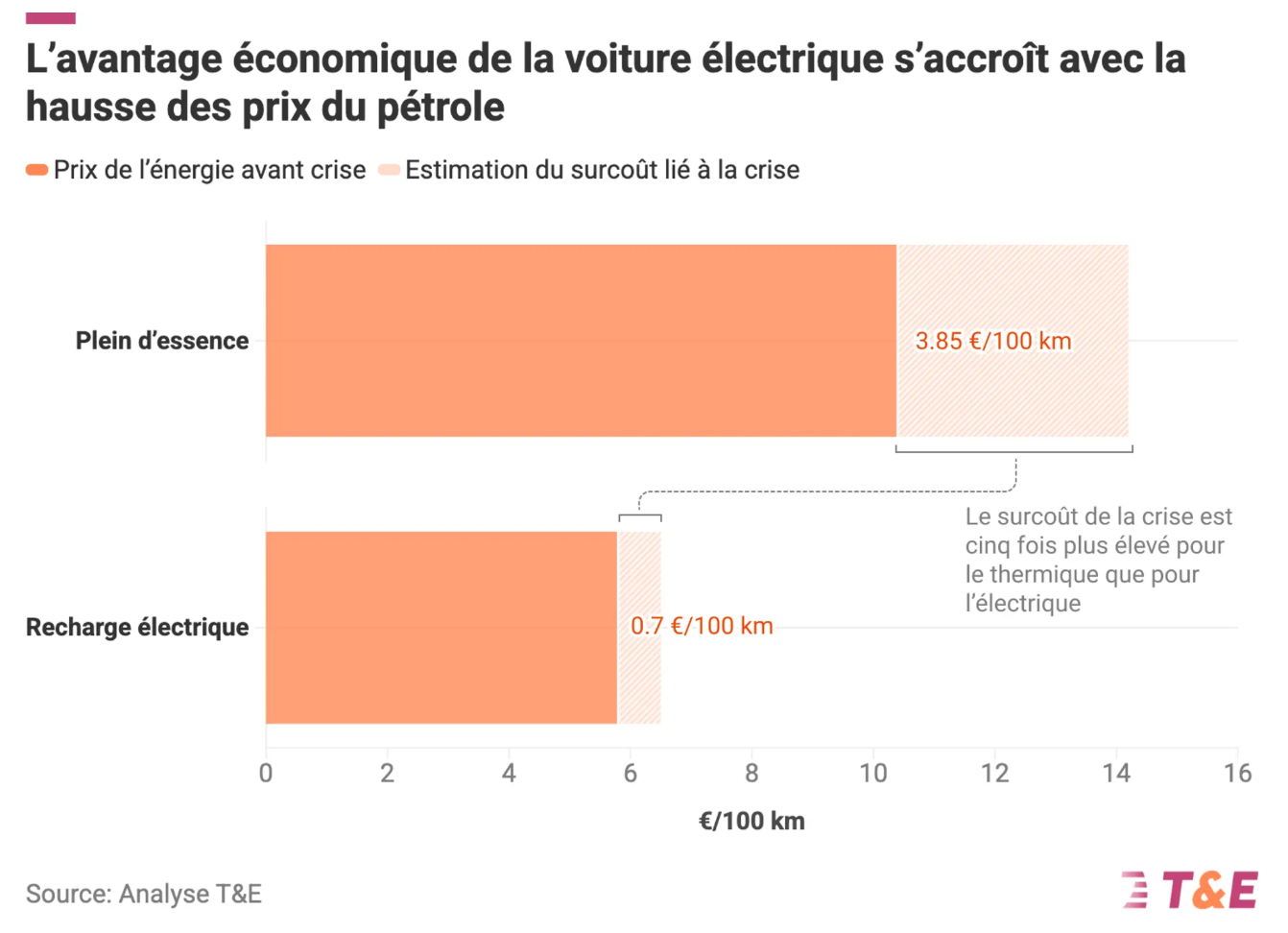
Unlike imported oil, electricity is primarily produced within France.
Electrifying your fleet significantly limits dependence on international energy markets. This choice reduces exposure to geopolitical tensions and the risk of supply disruptions.
In times of international uncertainty, the electric vehicle acts as an energy shield.
As Prime Minister Sébastien Lecornu noted:
"Energy is not just a market... When we import oil or gas, we are also importing the crises of others."
In France, the electricity mix is 95% low-carbon.
By reducing CO₂ emissions, greening your fleet helps to:
Since the Mobility Orientation Law (LOM), France has mandated the gradual greening of corporate fleets.
Beyond environmental pressure, tax policies disadvantage internal combustion vehicles.
Choosing electric vehicles helps avoid:
Need a personalized assessment of your fleet? Sirenergies analyzes your usage, consumption, and electricity contract to build a tailored electrification plan.
{{ask-rdv="/ctas"}}
Decarbonizing professional fleets is often perceived as complex. However, for the majority of use cases, it is entirely feasible. Numerous levers allow for a rapid and controlled transition. The crisis in the Middle East is amplifying an already favorable context.
Several mechanisms reduce the return on investment and improve TCO. These are bolstered by the 2026 electrification plan.
Sources:Energy Regulatory Commission (CRE) - Retail electricity market and Ministry of Ecological Transition - 2026 Electrification Plan
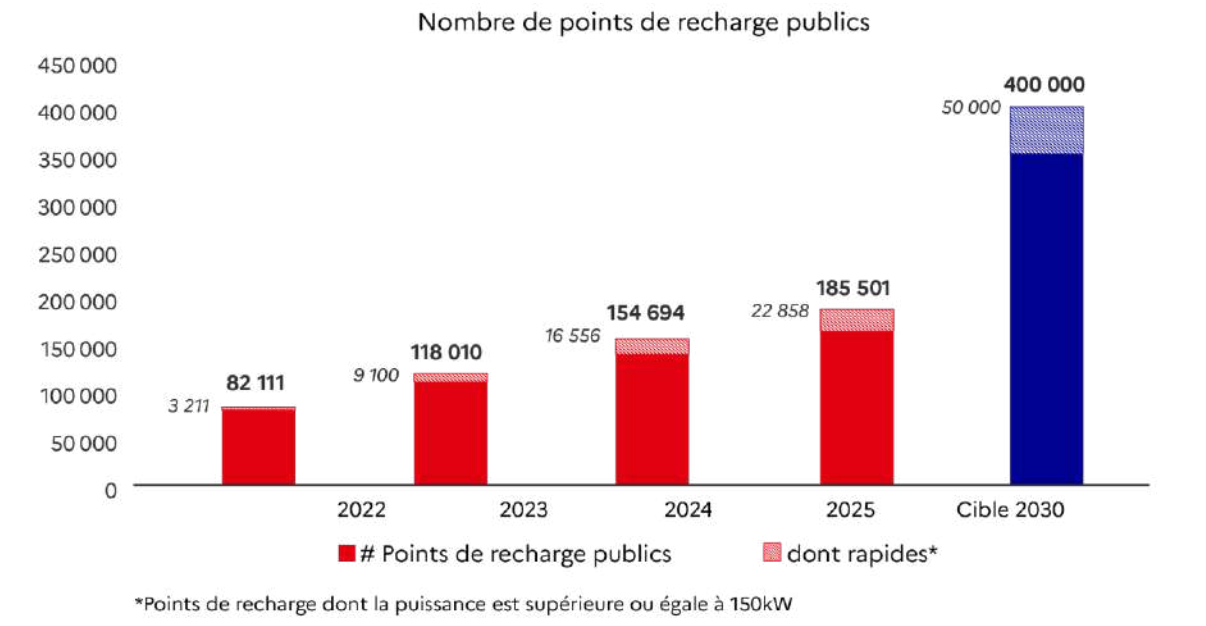
Charging is no longer a structural barrier to electrification.
As of March 2026, France has over 192,000 publicly accessible charging points, an increase of 17% in one year. The network is expanding rapidly, with a growing number of fast and ultra-fast chargers. The electrification plan prioritizes the deployment of charging infrastructure on the national road network, including stations dedicated to heavy-duty vehicles.
Operators also offer turnkey solutions for on-site charger installation (including setup, monitoring, and maintenance). Sharing resources with other businesses and local authorities helps reduce costs.
The suitability of use cases remains the primary obstacle identified by AVERE. While some scenarios remain constrained, technological and organizational advancements now make it possible to meet the majority of professional needs:
The crisis in the Middle East did not trigger the transition to electric mobility in France; it has simply made it more urgent.
For businesses, the status quo is becoming risky. Delaying fleet electrification exposes companies to three risks: rising energy costs, regulatory and tax pressure, and dependence on international crises. The electric transition allows you to regain control.
Accelerating fleet electrification secures costs, anticipates regulatory constraints, and strengthens energy resilience in the face of crises.
Looking to decarbonize your company vehicles? The conditions are right to take action today.
Sirenergies supports you in this energy transition. Our experts size your power requirements, adapt your contracts, and analyze your consumption for a controlled transition to electric.
{{ask-demo="/ctas"}}
In a few clicks, organize an exchange with one of our experts.


weekly newsletter subscribers

4.9
