

Dairy industry: dairies, cheese factories, yogurt production
Dairies and cheese factories: balancing steam and cooling
Gas boilers for pasteurization, evaporation, and clean-in-place (CIP) systems, alongside cooling units running day and night for aging or ultra-fresh products: a dairy relies on two energy sources for two temperature regimes. Sirenergies helps you compare gas and electricity options and provides cost analysis for your electrification projects.



Key industry figures
Gas-powered steam, electric cooling: the impact of milk processing
Few food processing activities are as energy-intensive as milk processing. With gas and electricity prices remaining above 2019 levels, every poorly structured contract impacts the margin per liter processed.
Share of dairy products in the energy consumption of the food processing industry.
Weight of milk in emissions related to fuel use in food processing plants.
Increase in the average price of electricity paid by the industry between 2019 and 2024.
The energy profile of a dairy
Gas-powered steam and electric cooling split the bill
The reality: two temperature regimes, two energy sources
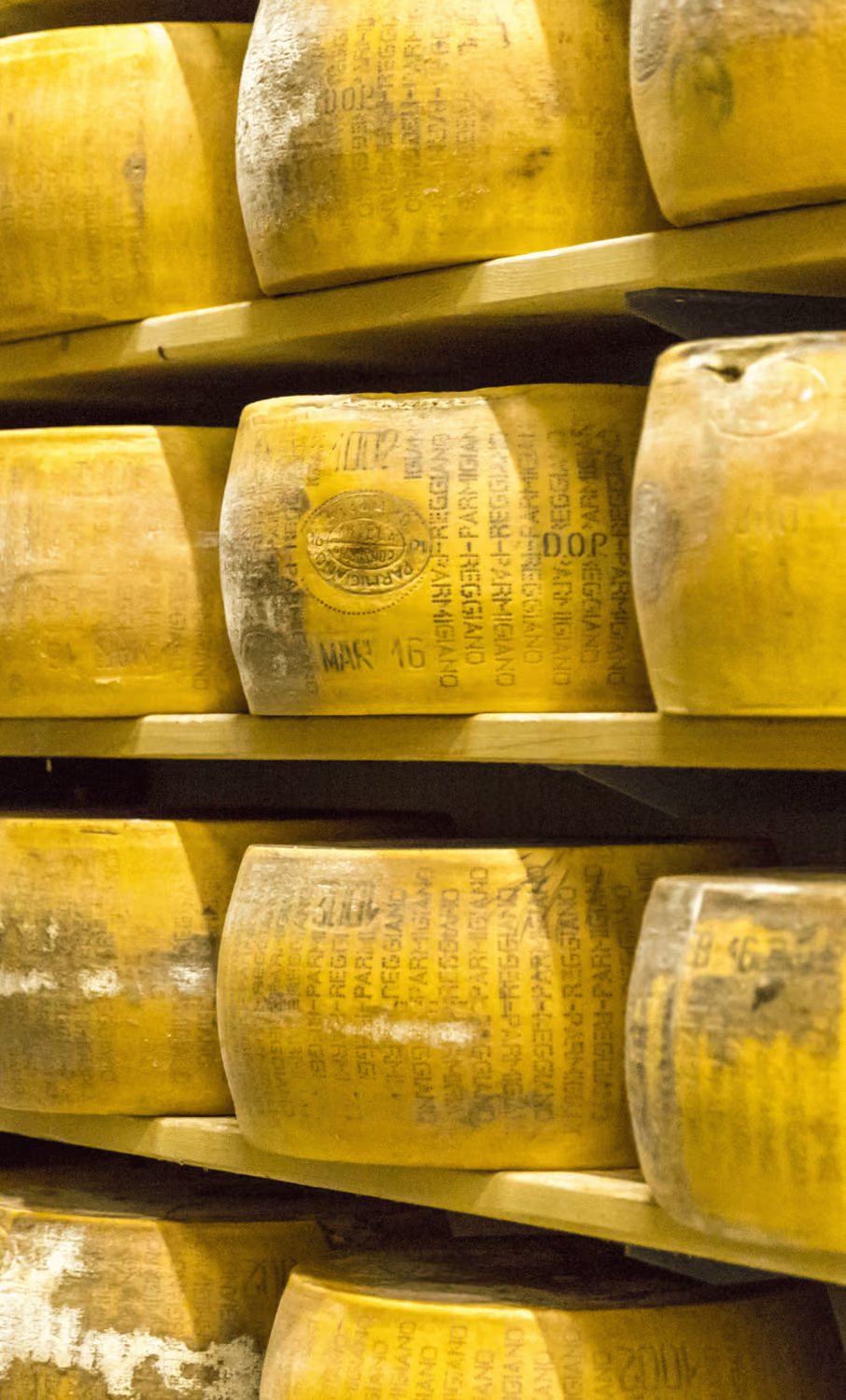
Milk arrives refrigerated, is heated for pasteurization, cooled immediately, and then kept cold until shipment. Natural gas powers the boiler room: steam and hot water for pasteurization, evaporation, powder drying, and clean-in-place (CIP) processes. Electricity keeps the compressors for aging cellars and ultra-fresh storage rooms, as well as pumps and compressed air systems, running continuously. The sector includes 1,481 dairy manufacturing companies (Insee, Ésane 2023), ranging from small local cooperatives to industrial drying sites.
Our role: managing your two energy sources alongside you
Heating engineers, refrigeration specialists, and design offices manage your installations; Sirenergies advises your management team on what to contract and how to measure it.
- Procurement: a joint consultation for gas and electricity, with a pricing strategy tailored to each site's profile.
- Distribution: daily capacity and ATRD (third-party access to gas distribution networks) options for the boiler room, and TURPE (tariff for the use of public electricity networks) power settings for cooling.
- Electrification: budget projections for a heat pump or mechanical vapor recompression system prior to investment decisions.

Your energy challenges
The 3 energy challenges for dairies and cheese factories
A gas boiler room with costs tied to market fluctuations, electrification projects that shift expenses to the electricity meter, and workshops and sites where no one reconciles invoices with production: this is where a dairy's energy strategy is won or lost. For each of these three challenges, Sirenergies focuses on the contract, never the process.
Simultaneous positive and negative refrigeration
The dairy industry combines positive refrigeration for storage and negative refrigeration for certain production processes, two distinct areas that both impact your energy bill.
Multi-system refrigeration energy audit
Sirenergies analyzes your contracts and load profiles to determine the specific impact of your positive and negative refrigeration systems.

Energy-intensive and repeated pasteurization
Pasteurization requires precise and repeated heating of milk, an energy cost that adds to refrigeration expenses and is not always tracked separately.
Multi-energy audit
Sirenergies audits your electricity and gas contracts to measure the true cost of your pasteurization, in addition to your refrigeration costs.
Multiple, poorly centralized sites
Too often managed on a site-by-site basis, energy contracts for dairy groups lack consolidated, group-wide oversight.
Centralized management via Pilott
Sirenergies centralizes the monitoring of all your sites on a single platform, with alerts for any deviations.
Contractual and data expertise
Optimizing and managing contracts for your dairies and cheese factories
From the boiler room producing pasteurization steam to the refrigeration units in aging cellars, Sirenergies handles your gas and electricity together. Every recommendation is based on your invoices, load profiles, and projects, ensuring your contracts keep pace with your production cycles.
Contractual and capacity audit
Review of your gas and electricity contracts, their expiration dates, subscribed power levels, and daily capacities, supplemented by an annual analysis of excise duties and Energy Savings Certificates (CEE) applicable to your facilities.
Purchasing strategy and competitive bidding
Preparation of specifications, supplier tendering, and clause-by-clause offer analysis for both boiler and refrigeration systems, with an evidence-based choice between fixed pricing, market-indexed pricing, and staggered fixing.
Distribution optimization (TURPE / ATRD)
For gas, we verify the ATRD option and your boiler room's daily capacity. For electricity, we select the appropriate TURPE option and power levels per period based on your cooling needs. We handle all interactions with network operators.
Tariff modeling for electrification
Budget projections for mechanical vapor recompression, heat pumps, or heat recovery across both your gas and electricity bills, along with a flexibility study if your cold storage allows for shifting some consumption.
Pilott software platform
Next-day consumption tracking for every site, price alerts for electricity and gas, budget projections, centralized contracts and documents, and CSV or API exports for your management control tools.
Expert consulting dedicated to the dairy industry
A dedicated consultant monitors your markets, hedging levels, and regulatory updates affecting milk processing, and works with you to define key performance indicators such as energy cost per thousand liters processed.
Our platform
Pilott, simplified management to track your consumption
- Consolidate the meters for your dairies, cheese factories, and fresh dairy product workshops
- Track your boiler and refrigeration consumption on a next-day basis
- Get alerted when gas or electricity prices cross your thresholds
- Project your energy budget and access all your contracts in one place



Dairy industry
Explore other processes
Un autre secteur ?


Methodology and definitions
What is energy consulting for a dairy?
Should you keep your gas boiler or switch to mechanical vapor recompression? For a dairy, energy consulting often starts with this question: it quantifies the impact of electrification on both bills, clarifies gas procurement for the boiler room and electricity for refrigeration, and then adjusts transmission costs for each site. Sirenergies consultants lead this work, while the Pilott platform tracks the results on a daily basis.
The context
In 2024, the average price of gas paid by industrial companies remained twice as high as in 2019 (Insee Première No. 2095, February 2026). The decarbonization roadmap for the agri-food industry (September 2023) lists mechanical vapor recompression and heat pumps among the technologies to be deployed in the dairy sector.
Three levers
- Quantified electrification, including energy savings certificate (ESC) rebates.
- Boiler room gas covered through multiple fixed-price contracts, with refrigeration electricity included in the same procurement process.
- Daily gas capacity and subscribed power levels reviewed after every project.

How much do your boiler room and refrigeration systems impact the cost of your milk?
Your contracts and one year of gas and electricity bills are all it takes to calculate the potential. No obligation.

