

Beverages: bottling and packaging
Bottlers, lighten the energy load of your bottles
How much energy does it take for a bottle to leave the line? From high-pressure air blowing to pasteurization or hot water washing, beverage bottling requires electricity at every station and gas whenever heating is needed. Sirenergies supports you in purchasing your energy and adjusting your power levels.


Key industry figures
High speed and pressurized air: the energy footprint of beverages
The beverage industry is the leading food and beverage sector in France by value, with lines running at full capacity during the warmer months. An energy contract based on an average year becomes expensive as soon as the season peaks.
Share of beverages in the energy consumed by the French food and beverage industry.
Share of compressed air in industrial electricity consumption in France.
Sales by beverage manufacturers in 2023, the leading segment of the food and beverage industry.
The energy profile of a bottling line
Blowers, compressors, and pasteurizers share the bill
The situation: an electric line, with heat requirements depending on the packaging
The profile of a bottling line depends on what it fills, and in what. For PET, preforms are heated and then blown with high-pressure air: blowers and compressors weigh heavily on theelectricity, as do refrigeration, labeling, and palletizing. Compressed air is a point to monitor: 15 to 50% of air produced in industry is lost to leaks (ADEME, Motor Challenge guide, 2006). Pasteurization of beer or juice, washing of returnable glass, and clean-in-place systems draw hot water from the boiler room, most often using gas.
Our role: connecting each station to a contract
Line manufacturers and compressor specialists maintain control over the machines; Sirenergies' work begins where theirs ends.
- Procurement: a joint tender for your sites' electricity and gas that accounts for the high season.
- Distribution: TURPE (public electricity grid usage tariff) power levels adjusted for compressors, and ATRD (third-party access to gas distribution networks) capacity calibrated for pasteurization.
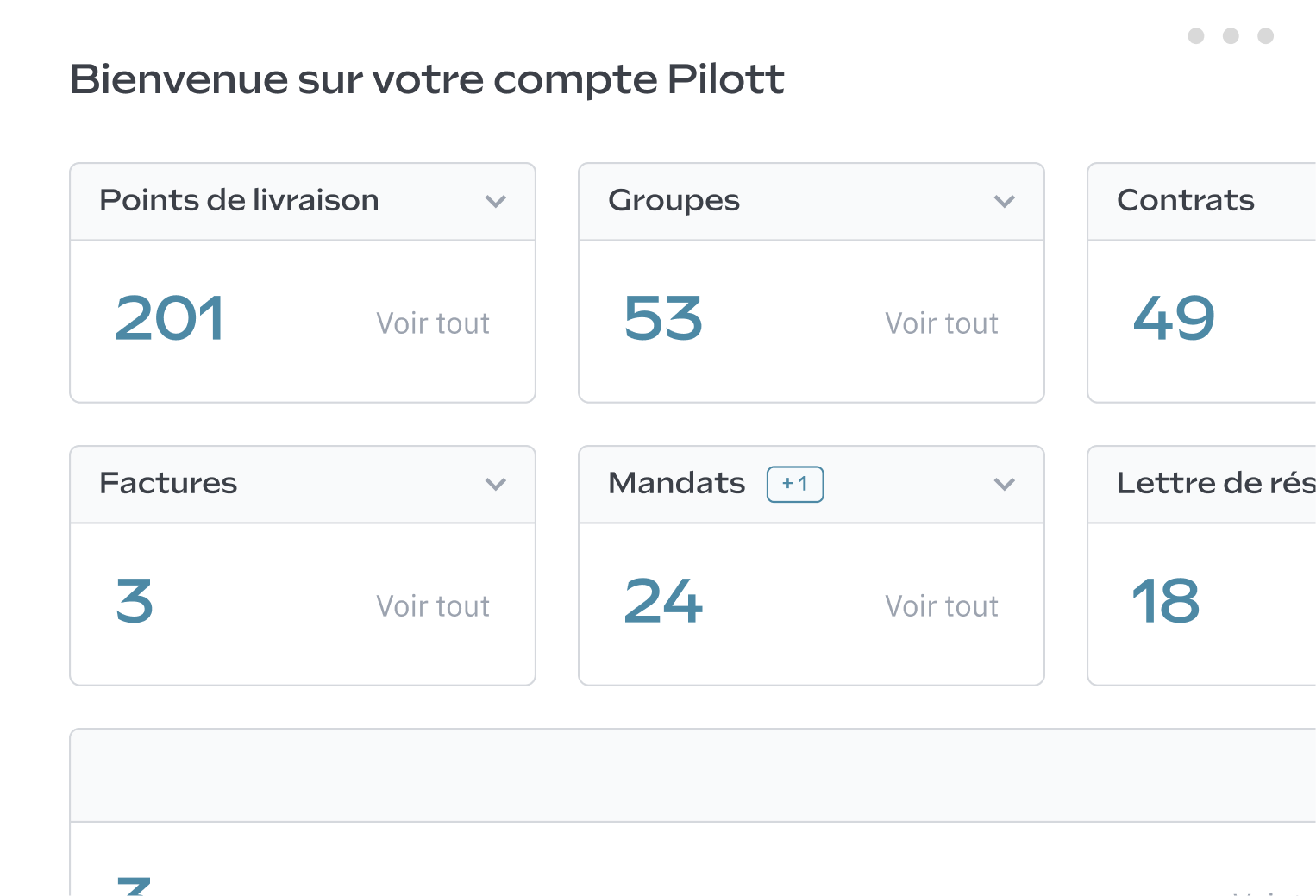
- Data: weekend consumption tracked in Pilott, which often reveals compressed air left under pressure.

Your energy challenges
The 3 energy challenges of bottling and beverage packaging
Blow molding requires power you pay for all year round, pasteurization boiler rooms depend on gas that remains expensive, and the energy cost of a bottle gets lost between lines and sites. These are the three areas where a beverage plant manager wins or loses margin. Sirenergies addresses them through procurement, distribution, and data.
Energy-intensive PET blowing and pasteurization
On a packaging line, PET bottle blowing and pasteurization are the two most energy-intensive processes.
Line energy audit
Sirenergies analyzes your contracts and load profiles to measure the actual impact of these operations on your site.

Compressed air often overlooked
Compressed air powers a large portion of packaging lines, an area frequently affected by leaks and improper sizing.
Compressed air system audit
Sirenergies identifies areas of waste and guides you toward the best practices for your needs.
Multiple, poorly centralized sites
Too often managed on a site-by-site basis, energy contracts for beverage groups lack a comprehensive overview of their consumption.
Centralized management via Pilott
Sirenergies centralizes the monitoring of all your sites on a single platform, with alerts for any deviations.
Contractual and data expertise
Optimization and management of contracts for your bottling sites
From the blow molder that shapes the bottle to the pasteurizer that treats the beverage, Sirenergies supports you in the procurement and monitoring of electricity and gas for your lines. Our proposals take into account your formats and seasonality, because PET water and returnable glass beer do not have the same profile.
Contractual and capacity audit
Review of your electricity and gas contracts site by site and their expiration dates, control of subscribed power and daily capacity, followed by an annual analysis of excise duties and energy savings certificates (CEE) applicable to your compressors and boiler room.
Purchasing strategy and competitive bidding
Consulting with suppliers for all your sites, comparative analysis of offers, and a risk and price matrix, with volume tolerances designed for a high season whose scale changes from one year to the next.
Distribution optimization (TURPE / ATRD)
Electricity first: TURPE options and power per period adjusted for blow molders and compressors. Gas next: ATRD options and daily capacity for the pasteurization boiler room. Procedures with network operators included.
Tariff modeling of cost per hectoliter
Projection of the energy cost per hectoliter based on the line, format, and several price scenarios. The same simulation calculates the effect on your two bills of heat recovery on compressors or electric pasteurization.
Pilott software platform
All your sites on one interface: previous day's consumption, alerts when electricity or gas prices cross your thresholds, budget projections, and archived contracts. Data can be exported in CSV or via API to your production tools.
Expert advice dedicated to beverages
A dedicated consultant monitors your markets and deadlines, prepares for the high season with you, informs you of regulatory changes, and builds indicators such as energy cost per hectoliter packaged.
Our platform
Pilott, simplified management to track your consumption
- Centralize the meters of your bottling sites and warehouses
- Identify weekend consumption that doesn't drop by the next day
- Receive an alert when electricity or gas reaches your price thresholds
- Simulate your high season budget and manage all your contracts in one place



Beverages
Explore other processes
Un autre secteur ?


Methodology and definitions
What is energy consulting for bottling and beverage packaging?
In the spring, before the beverage season, the question is not just price: it is the timing and duration of the commitment. For bottling and packaging, energy consulting sets a procurement schedule for blow molder electricity and pasteurizer gas, adjusts distribution costs for each site, and relates expenses to packaged volumes. Sirenergies consultants and the Pilott platform handle this monitoring.
Why timing matters
In 2024, manufacturers who renewed a fixed-price electricity contract saw their prices drop by 30% for one year, compared to 17% for two years (Insee Première No. 2095, February 2026). For a seasonal production line, signing at the right time is just as impactful as the supplier you choose.
The levers we use
- Pricing schedule and contract duration selected before the high season.
- Power levels per period and daily gas capacity reviewed annually.
- Energy cost per hectolitre tracked in Pilott at D+1, line by line.

How many euros of energy are in every hectolitre you bottle?
Send us your contracts and latest invoices: we will calculate how much your lines could save. No obligation.

