


Summarize with AI

January 21, 2026
7
Min reading
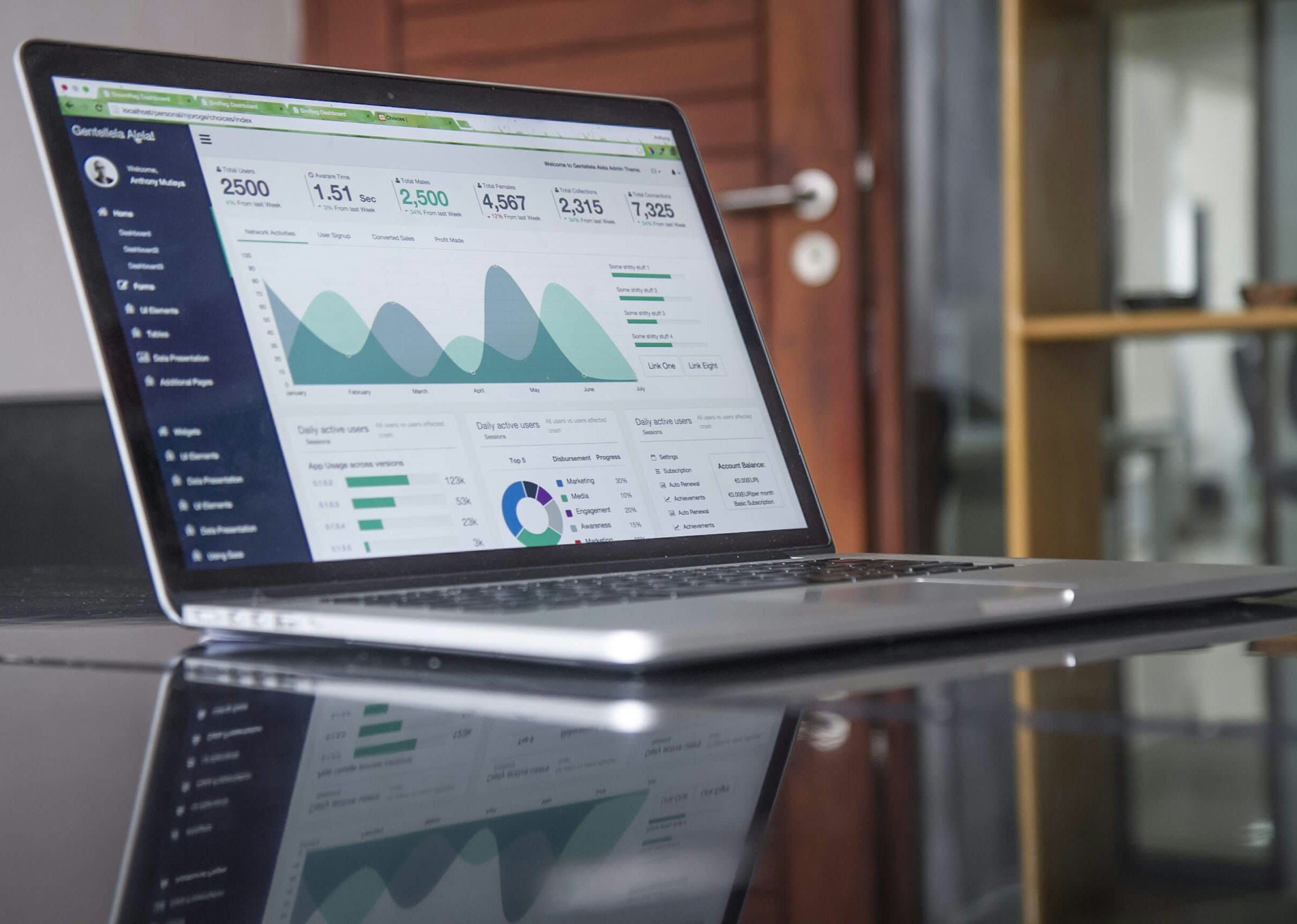
In a context of uncertainty and volatile energy costs, energy management has become essential for businesses. The least amount of overconsumption can cause the energy budget to skyrocket. The slightest malfunction threatens environmental efforts.
Concretely, energy management consists in monitoring, analyzing and exploiting energy data. Why is it so critical for businesses? What are the best practices and tools for effective energy data management? SirEnergies helps you better understand the world of data, which is always complex, often mysterious, sometimes worrisome.
Energy data management (or Energy Data Management) is a real strategic lever for the company. In addition to the financial savings it allows, monitoring consumption contributes to the competitiveness, sustainability and compliance of the company.
Collecting and tracking data is a prerequisite to optimize energy consumption, and therefore costs. Thanks to data analysis, the company quickly detects malfunctions, tracks waste, identifies energy-consuming equipment and anticipates changes.
All this information improve decision-making and guide the business to build a tailor-made, targeted and effective energy strategy, without compromising its performance. Data management also sheds light on energy purchases and the choice of price offers that are perfectly adapted to needs.
In the end, It is the competitiveness of the company that is preserved through reactive and proactive management of data and energy consumption.
Businesses are subject to numerous environmental regulatory obligations.
For example, the European CSRD directive (Corporate Sustainability Reporting Directive) expands the businesses involved inObligation to carbon balance (BABIES). It becomes mandatory from 2026 for companies with more than 250 employees and from 2027 for SMEs listed on the stock exchange.
Also, businesses must comply with the Tertiary Eco-Energy device, a tool of the national carbon neutrality strategy. The Tertiary decree aims to reduce the energy consumption of tertiary buildings by 40% by 2030, 50% by 2040 and 60% by 2050.
What do these regulatory obligations have in common? Elles require a perfect knowledge of energy data. They participate in the calculation of emissions of greenhouse gases of the carbon balance. They should also be declared each year on the OPERAT platform monitoring the tertiary decree.
Data management is a pillar for a strategy of energy transition and effective decarbonization.
Only reliable energy data allows sustainable and efficient choices, reducing carbon emissions and the impact on the environment (replacement of energy-intensive equipment, thermal insulation, use of renewable energies, optimization of production processes, energy efficiency and sobriety measures, etc.)
The accurate management of energy data is particularly required for companies that wish to stand out from their competitors through an exemplary energy policy, and obtain the ISO 50001 certification of their energy management system (SME).
Data collection, monitoring, analysis and exploitation can quickly become complex given the diversity and volume of data. Some best practices help to set up a optimal and efficient management of data.
The first question a company should ask itself is: “What energy data do I need and for what purposes? ” While it seems obvious to monitor energy consumption and expenditure, a company can also monitor its own electricity production or greenhouse gas emissions.
Several tools make it possible to collect and monitor energy consumption:
The analysis of energy data takes several forms. She may be simply descriptive. It can also be prescriptive to inform decision making. But she is most often predictive. Data analysis then consists in understanding consumption, imagining scenarios and recommending optimization solutions. It is based on concrete figures, but also on trends and models.
THEArtificial intelligence (AI) is beginning to revolutionize the analysis of energy data. Thanks to machine learning algorithms, AI improves models. It can predict needs by comparing historical data and trend trends, but also external variables such as weather.
Sensitive, energy data attracts computer piracy. The company must guarantee their availability, while protecting their confidentiality, integrity and security. This involves:
It is no longer a question of tracking your energy consumption and expenditure with your sheet, calculator and pen. Few businesses can do without digital tools to manage big, complex and sensitive data. Many technologies exist, accessible to all businesses and all budgets.
Faced with the volume of data collected, the use of software for energy management dedicated is recommended.
Some small businesses can still Ensuring energy monitoring with Excel. However, this software has limits, including the absence of collaborative and management functionalities, reduced possibilities for retrieval and visualization, and risks for traceability and data security. It is also a source of human error.
Les specialized energy management software offer much more powerful features, including:
Energy consulting and sourcing firm,
SirEnergies Offered to businesses a digital solution efficient for the monitoring of their energy data.
The Pilott platform offers a unique and centralized energy management space:
- Consulting in Real time Consumptions
- Analysis of evolutions
- Access to market prices electricity and gas.
So many specific features for optimize costs And the energy purchases.Test Pilott
Several solutions exist for storing data. Regardless of the option chosen, the company must be vigilant to questions of infrastructure security and data protection.
Energy data can be stored in physical servers connected to the company network. The architecture must then be totally secure with firewalls, antiviruses, a DMZ (demilitarized zone) environment, encryption solutions, redundant infrastructures, regular backups, rigorous and preventive maintenance, and recovery and recovery procedures (DRA).
La complexity And the cost local storage makes this solution difficult for small businesses to access. In addition, it remains unsatisfactory due to limited storage capacities, of the risks of hardware failures And of a insufficient protection in the face of disasters (floods, fires,...)
The cloud makes it possible to store energy data in remote servers (Data center), managed by an external host. It is the guarantor of the security of infrastructures, as well as the accessibility and confidentiality of data. Storage capacity is unlimited.
However, the cloud poses the question of the geographical location of the servers. Choosing a data center located in France or Europe reassures you of compliance with European and French legislation in terms of data protection (in particular compliance with the General Data Protection Regulation — RGPD). It also facilitates legal proceedings. In the event of a dispute, the competent court is in fact that of the host country.
💡Developed and hosted in France, the platform Pilott of SirEnergies guarantees total data security and confidentiality. Contact us to find out more
Large volume of data, complexity of analyses, technical constraints, high investment costs are all obstacles that can discourage companies from implementing effective management of their energy data. However, energy management is now crucial to maintain the competitiveness and sustainability of the company.
Do you want to better monitor your data to optimize your energy consumption and your budget? The solution may be to use an outsourced consulting firm. This is the core business of SirEnergies. We combine strategic expertise with digital technology to offer you an explicit and specific solution for managing your energy data.
In a few clicks, organize an exchange with one of our experts.


weekly newsletter subscribers

4.9