


Summarize with AI

March 6, 2026
7
Min reading
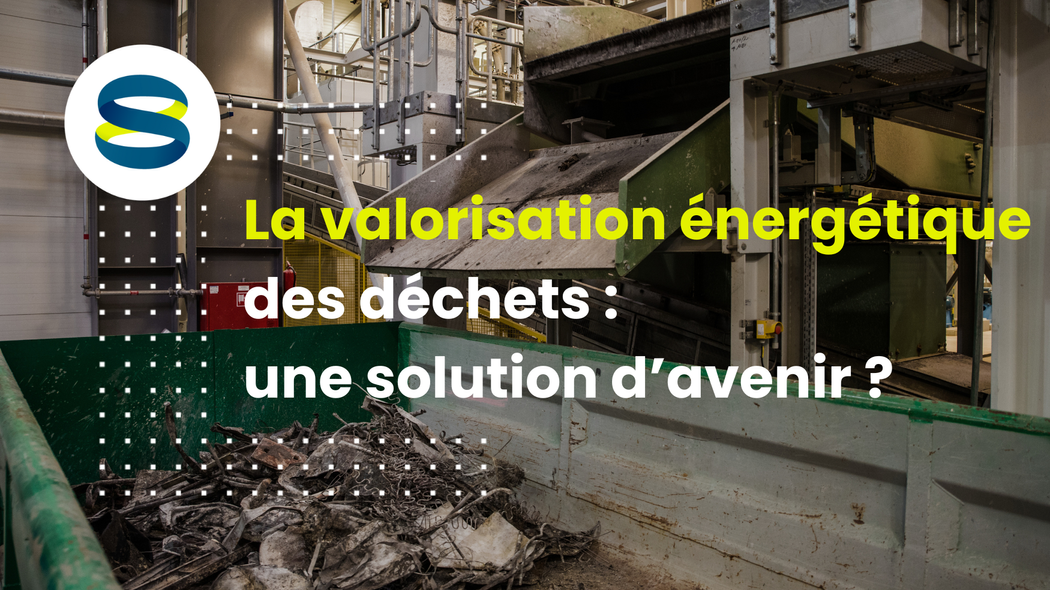
With 345 million tons in 2022, waste is a real burden for France! For a long time, people tried to make them disappear by burying them or burning them.
But what if these useless raw materials could become a valuable resource? Transforming a problem into a sustainable solution is the objective of energy recovery. It consists of producing electricity, gas and heat from waste.
From incineration to methanization, how can waste energy recovery contribute to the energy transition and offer new opportunities to territories? Is this solution really virtuous?
Decryption.
In France, two main techniques make it possible to transform waste into energy: incineration with energy recovery and methanization.
But innovation does not stop there, with the search for ever more efficient and sustainable solutions.
According to ADEME, 8% of non-recycled waste was recovered as energy in France in 2022, or 23 million tons per year.
The heat generated by the combustion of waste is exploited:
Methanization transforms biomass and organic waste into biogas (agricultural effluents, food residues, intermediate crops for energy purposes, sewage sludge, etc.).
This technique reproduces the natural anaerobic fermentation process, that is to say in the absence of oxygen. The degradation of organic matter by micro-organisms produces biogas. Once purified, it becomes biomethane.
Biogas is used to produce energy and heat. Biomethane can be injected directly into natural gas networks and consumed.
France is exploring advanced technologies to accelerate the energy recovery of waste. They consist of manufacture from waste a synthetic gas with properties similar to natural gas, directly injectable into networks and consumable.
Pyrogasification extends the range of recyclable waste to non-hazardous dry solid waste (wood waste, furniture waste, solid recovered fuels — CSR, etc.).
Elle Produces gas by pyrolysis. Heated to a very high temperature (between 800 and 1500°C) in an environment with a low oxygen content, waste decomposes into synthesis gas.
Having reached technological maturity, this technology enters industrialization phase. The first industrial projects are expected in 2025-2026.
Hydrothermal gasification valorizes wet, liquid and dry waste containing a minimum of carbon.
Ce thermochemical process converts waste into synthetic gas, by subjecting it to very high pressures and temperatures, in the mandatory presence of water.
Les first pilot projects are in progress, with the hope of industrialization in 2026-2027.
By decarbonizing uses, the energy recovery of waste contributes to energy transition. It helps meet national climate goals, while providing communities with local, sustainable and ecological development solution.
Energy recovery makes industrial and household waste useful again, which cannot be recycled or recovered in another form. Previously considered a cumbersome and polluting burden, waste is becoming a valuable resource.
Indispensable but criticized for a long time, Incineration gains in added value. It is now a means of production ofrenewable energy, integrated into the energy mix.
Energy recovery reduces soil pollution caused by the burial of non-recyclable and non-recoverable waste.
By feeding on biomass, methanization also limits the climate impact of abandoned green waste. Their degradation in the open air indeed emits methane, a noxious gas with the power to cause global warming 25 times greater than CO2.
Renewable and low-carbon, heat, electricity and gas from waste recovery reduce the use of polluting fossil fuels and contribute to the decarbonization of consumption. According to the consulting firm Carbone 4, replace natural gas with biomethane reduces CO emissions by 80%2 across the entire value chain!
Concretely, in 2022, waste incineration covered 45% of the energy needs of urban heating networks in France, instead of gas or fuel fired power plants and boilers.
Biogas is also gradually replacing coal and natural gas. In the cogeneration power plants. In the form of CNG (Natural Gas for Vehicles), biomethane Imposes itself as alternative to polluting fossil fuels.
Circular economy model, energy recovery stimulates the local economy. For communities, it is a sustainable and economical solution for the management and treatment of waste produced on their territory. Consumed nearby, the energy produced locally by the transformation of waste diversifies energy sources and secures energy supplies.
💡 The energy consulting and sourcing firm, Sirenergies supports businesses and local authorities for Decrypt their supply contract, select the best supplier and To pilot the energy strategy.
With the Pilott platform, local authorities can know their energy consumption to build a tailor-made energy contract. Learn more
Also, the development of new sectors energizes territories, by creating local jobs that cannot be relocated. According to the Syndicat des Énergies Renouvelables (SER), waste energy recovery created 4,500 local jobs in 2020.
Like any technology, waste-to-energy remains an imperfect solution. Between technical, social and financial constraints, there are many challenges to be met in order to deploy this virtuous model.
The energy recovery of waste requires substantial investments. According to GRDF, a methanization site costs on average 4 million euros. Pyrogasification plants can reach 30 to 60 million euros. And these numbers are Multiplied by five to build a waste treatment and energy recovery unit (UVE)!
In addition to these financial constraints, technical constraints are added. The most accessible technology, methanization is hampered by connection difficulties linked to the distance from gas networks. Insufficient energy consumption near production sites may also require the construction of reverse sites to transport biomethane to more distant consumers.
The energy recovery of waste is facing local opposition. No method of treating and managing waste is spared by Mistrust of the population.
Methanization raises fears of Nuisances linked to frequent truck traffic and bad smells. Despite strict standards, the smoke emitted by treatment and energy recovery units is a cause for concern, raising questions about the air pollution And the health of local populations.
The quantity of non-recyclable and non-recoverable waste remains high in France. But it is gradually decreasing thanks to progress in recycling and composting, second-hand or bulk purchase.
In 2022, there were 345 million tons of waste compared to 355 million tons in 2010. With the acceleration of environmental awareness and the strengthening of public policies, FNADE (Fédération Nationale des Activites de la Dépollution et de l'Environnement) estimates that the tonnage of waste will be divided by a minimum of four by 2050.
Natural resources are also becoming scarce, with the artificialization of soils and the slowdown in forest growth linked to global warming. The General Secretariat for Ecological Planning (SGPE) anticipates a Biomass deficit in 2030. Of conflicts of use appear around natural and agricultural areas that must simultaneously meet food, energy and climate needs (carbon sinks).
To conclude...
FNADE estimates that by 2028, non-recyclable waste could generate more than 30 TWh of thermal energy and gas each year, the equivalent of six nuclear reactors. The energy recovery of waste is therefore a real renewable and low-carbon solution, and a powerful lever for energy transition and territorial dynamism.
But to continue its growth, it will have to meet major social and financial challenges. More sustainable and efficient, will new technologies be able to reach industrialization? Will methanization be able to overcome the obstacles linked to conflicts of use? Will reducing waste slow this promising process?
These questions remain open today.
In a few clicks, organize an exchange with one of our experts.


weekly newsletter subscribers

4.9