

Intensive farming: pig and poultry production
Pig and poultry farmers, take control of your energy
Electric ventilation in summer, gas heating for farrowing and brooding units in winter, and sanitary breaks between batches: energy optimization for a pig farm follows the rhythm of the animals. Sirenergies adjusts your power levels to match your batches and supports you in purchasing your electricity and gas.


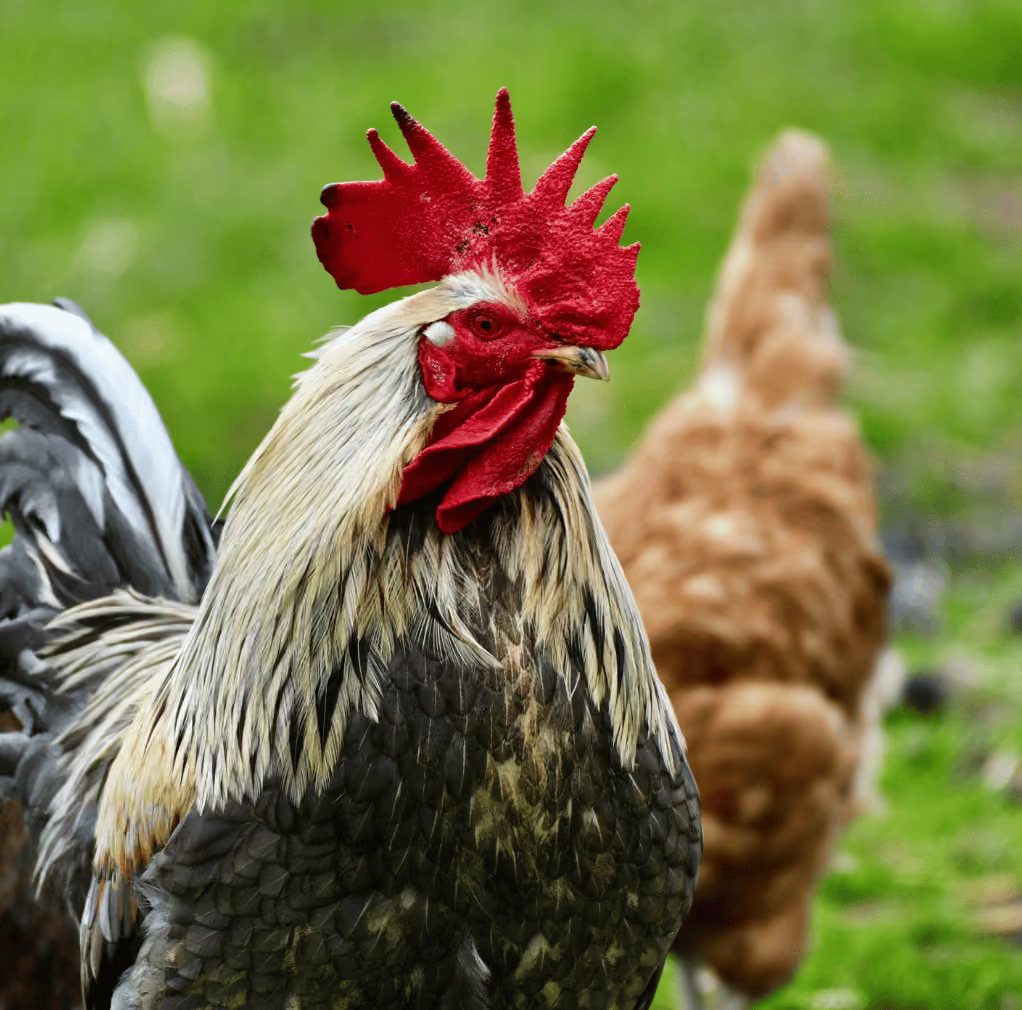
Key industry figures
Ventilation and heating: energy benchmarks for a farm
Pig and poultry farms primarily consume electricity for ventilation and gas or propane to heat young animals. This profile, dictated by production cycles, directly impacts your purchasing strategy.
kWh of electricity consumed per sow per year on a pig farm.
Share of heating in the energy consumed by pig farming buildings.
Share of heating, often using propane, in the energy costs of a poultry house.
The energy profile of a pig and poultry farm
Heating and ventilation: a unique consumption profile per batch
The reality: thermal needs dictated by the animals
In farrowing units, post-weaning areas, or when starting chicks, temperature is non-negotiable: radiant heaters and boilers, often fueled by gas or propane, run continuously. Electric ventilation removes heat and humidity, especially in summer and upon the arrival of each new batch. A sow and her litter represent approximately 983 kWh per year in a farrow-to-finish operation, a benchmark that the institute is currently updating (IFIP, 2025 activity report). Between batches, sanitary breaks cause consumption to drop without reducing your subscription costs.
Our role: aligning your contracts with the rhythm of your buildings
Your installers maintain control over radiant heaters and fans; Sirenergies works alongside you on your contracts.
- Power: an analysis of load profiles building by building to adjust subscribed power to peak ventilation periods.
- Distribution and taxes: the TURPE (public electricity grid usage tariff) reviewed, and the excise duty on electricity (formerly TICFE) verified each year.
- Procurement: an electricity and gas tender that you finalize based on our recommendation before winter, followed by day-after monitoring in Pilott.


Your energy challenges
The 3 energy challenges for pig and poultry farms
From ventilation spikes at the start of each batch to heating maternity and brooding units exposed to gas prices, and scattered buildings with invoices that no one reconciles: a farm's energy bill is fought on three fronts. Sirenergies addresses them through distribution, procurement, and measurement.
Batch ventilation spikes: the trap of oversized subscriptions
Evacuating heat and humidity at the start of each batch generates massive electrical power surges. Without proper calibration, you end up paying a premium for an annual subscription based on just a few days of peak consumption.
TURPE adjustment and alignment with your actual load profiles
We don't rely on abstract flat-rate estimates. Our consultants analyze your historical consumption building by building to adjust your subscribed power to the strict technical minimum required.

Continuous heating: 58% of your energy expenses exposed to the market
Thermal stability in maternity and post-weaning units (or for starting chicks) is a vital requirement that accounts for the majority of your gas expenses. Being subject to market price volatility without hedging puts your margins at risk.
Genuine competitive bidding and purchasing strategy at the best timing
We structure your gas contracts based on your biological heating cycles. Our firm monitors wholesale markets and negotiates with suppliers to lock in your prices at the most opportune moment of the year.
Building dispersion: invisible overcharging that is impossible to track
Between the proliferation of electricity meters, geographic sites, and paper invoices, detecting a pricing anomaly or consumption drift is a real headache for a farm operator.
Centralize your data and track it in real time with Pilott
We unify all your meters on our single Pilott platform. Your load curves are analyzed the next day, and our system alerts you immediately in the event of a consumption anomaly in a specific building.
Contractual and data expertise
Optimizing and managing contracts for your pig and poultry farms
From ventilation running when batches arrive to radiant heaters warming maternity and brooding units, Sirenergies supports you with electricity and gas for your buildings. Every recommendation is based on the rhythm of your batches, whether for an independent farmer or a cooperative.
Contractual and capacity audit
Review of electricity and gas contracts for each building, monitoring of power demand spikes at the start of batches, and annual analysis of the electricity excise tax (formerly TICFE), natural gas excise tax (formerly TICGN), and Energy Savings Certificates (CEE).
Purchasing strategy and competitive bidding
Consulting with suppliers for ventilation electricity and heating gas, for a single site or an entire group, and advice on when to lock in your prices before heating seasons.
Distribution optimization (TURPE / ATRD)
Electricity: TURPE power settings adjusted for ventilation peaks and sanitary breaks. Gas: ATRD options reviewed based on actual consumption in maternity and brooding units. All grid-related procedures included.
Tariff modeling for self-consumption
Costing for photovoltaic self-consumption on building roofs or evaluating a biomethane project, compared against grid procurement and projected across your two bills based on several price scenarios.
Pilott software platform
All your buildings on one interface: previous day's consumption by batch, price alerts for electricity and gas, budget forecasting, and centralized contracts, with data export via CSV or API.
Expert advice dedicated to farmers
A dedicated consultant tracks your markets and deadlines, prepares for each winter with you, keeps you informed of regulatory changes, and calculates energy costs per animal produced to compare your buildings.
Our platform
Pilott, simplified management to track your consumption
- Bring all your farm buildings together on one screen
- Track the consumption of each building, batch by batch, with a one-day delay
- Receive an alert when gas or electricity reaches your price threshold
- Simulate your winter budget and manage your contracts in one place


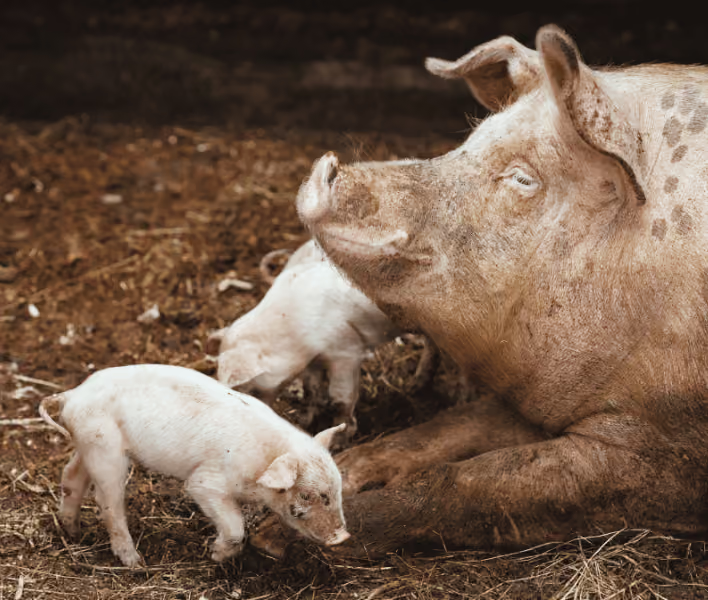
Intensive farming
Explore other processes
Un autre secteur ?


Methodology and definitions
What is energy consulting for pig and poultry farming?
Energy consulting for pig or poultry farms covers three areas: verifying the actual contents of electricity and gas bills, particularly excise taxes and distribution tariffs; supporting the procurement of both energy types in line with batch cycles; and monitoring each building. Sirenergies consultants handle this using the Pilott platform, for both independent farmers and cooperatives.
A threshold that includes fuel
Since the law of April 30, 2025, any company consuming at least 2.75 GWh of final energy per year, including fuel, must conduct an energy audit every four years. A group of farms may reach this threshold; Sirenergies verifies the limit on your invoices and directs you to a qualified engineering firm.
Our levers:
- Electricity excise tax (formerly TICFE) and natural gas excise tax (formerly TICGN) audited annually.
- Supplier consultation prepared before the heating season.
- TURPE (public electricity network usage tariff) power capacity adjusted for summer ventilation and crawl spaces.

How much can your livestock farm save on ventilation and heating?
A no-obligation analysis of your contracts, building by building.

