


Summarize with AI

March 6, 2026
8
Min reading
While the word “thermodynamics” evokes distant memories of physics for some, its applications are very concrete in our businesses, our buildings, our production or heating systems. This science reminds us of an unrelenting physical truth: every transformation of energy leads to losses. Understanding the mechanisms means giving yourself the means to act effectively towards a sustainable and profitable energy transition.
What are the main principles of thermodynamics? How can they be transformed into concrete actions, in the service of energy efficiency and industrial decarbonization?
Sirenergies plunges into the heart of thermodynamics to optimize your energy efficiency and reduce your greenhouse gas emissions, without compromising your industrial performance.
Understanding how energy works is the first step towards energy transition. That's what thermodynamics, a branch of physics, is about. It is based on two fundamental laws : The energy conservation And her degradation.
These principles enlighten us on the issues related to energy efficiency and energy losses in businesses.
“Nothing is lost, nothing is created, everything is transformed.” This famous maxim attributed to the chemist Lavoisier summarizes the first principle of thermodynamics: Energy is conserved, transformed and never disappears.
Omnipresent on Earth, energy never comes from nowhere.
Elle comes from its transformation from one form to another : she can be
For example, a car advances thanks to the transformation of chemical energy (fuel) into thermal energy (through combustion), and then into mechanical energy (pressure on the pistons).
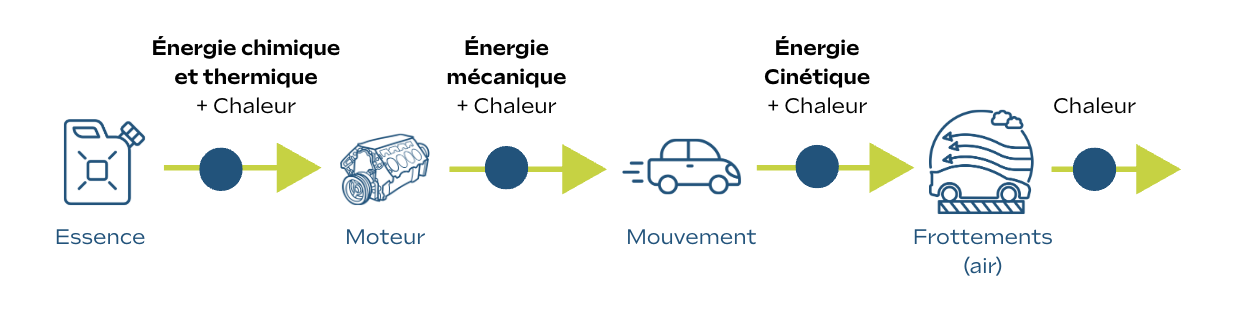
The physicist Sadi Carnot enunciated the second law of thermodynamics: If energy is conserved, it is irreversibly degraded with each transformation.
As the Carnot cycle has shown, the maximum theoretical efficiency of a thermal machine is unattainable in reality. Energy losses are inevitable, whether linked to friction, electrical losses or even heat dissipation.
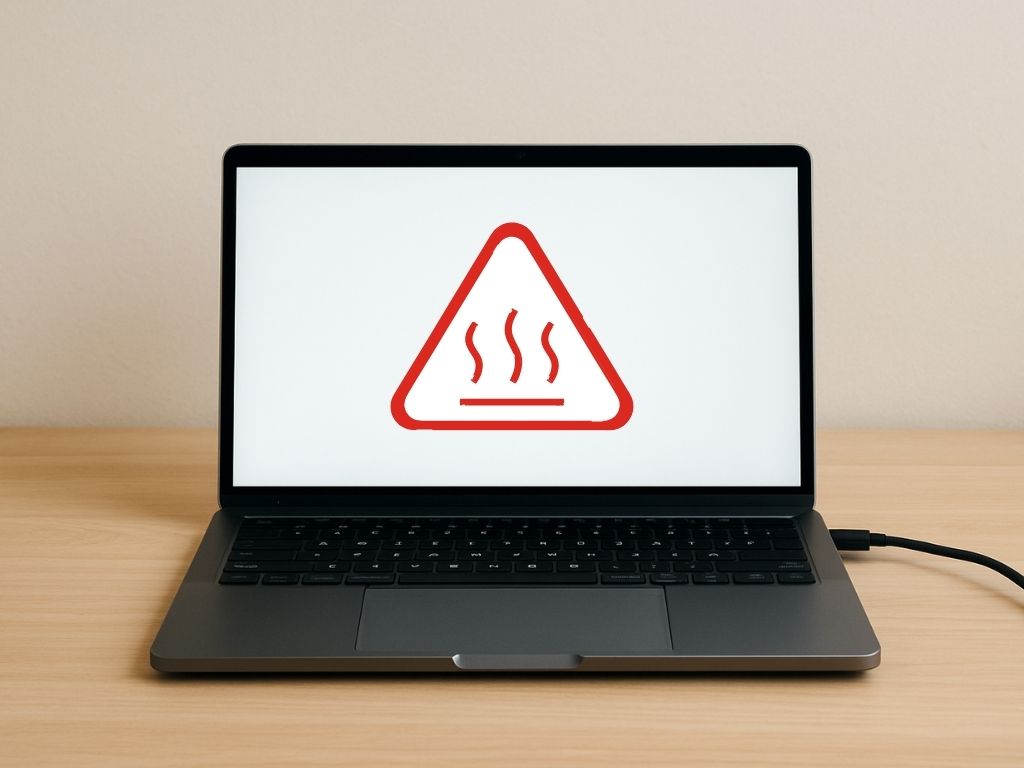
Heat is the most degraded form of energy : some of it always escapes into the environment, as can be seen around a computer in operation.
Scientists call this loss of useful energy theentropy. The higher it is, the more energy loses its ability to produce useful work (we then speak of a decrease inExergy).
If the energy never disappears completely, energy losses lead to additional consumption, with negative impacts on the environment.
Energy losses result in:
For businesses, energy losses also result in additional cost on the energy bill.
Thermodynamics sheds light on a fundamental physical reality: There is no decarbonization without energy efficiency.
Reducing consumption is not enough.
It is also necessary to track energy losses and valorize residual energy. These laws apply as soon as a system exchanges energy with its environment, i.e. all over the company : tertiary buildings, industrial processes, cold chains... Four concrete levers guide businesses.
The first priority is to avoid energy leaks. Businesses can rely on simple and proven solutions:
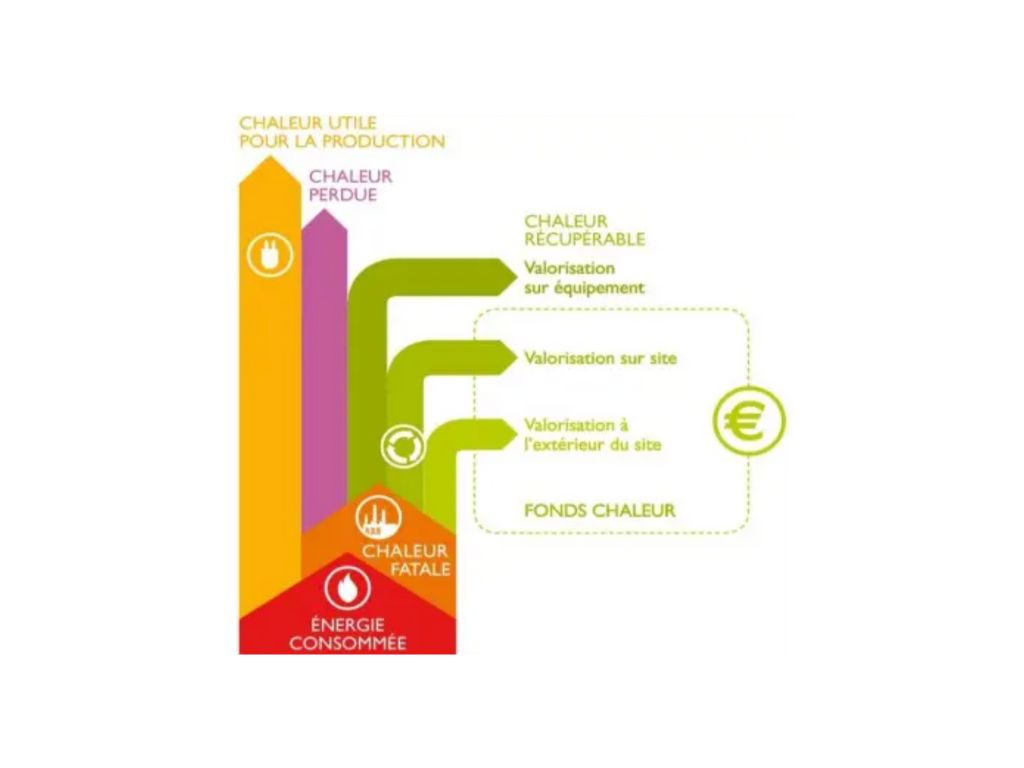
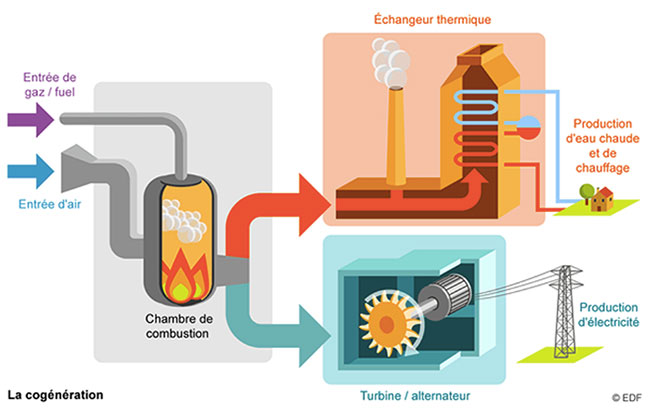
Some energy losses are unavoidable. This is the case of the Fatal heat generated in excess during industrial processes.
In 2017, ADEME estimated the Waste heat potential in France at 117.9 TWh, which is more than a quarter of the country's electricity consumption.
Mature technologies make it possible to recover and valorize this heat, to reinject it into the local network or to sell it:
Renewable energy production generates losses. Difficult to store, electricity must be used when it is produced, otherwise it is lost.
That's why energy storage is a strategic issue. Beyond the batteries for short and occasional needs, other forms exist: mechanical storage (STEP, flywheels), thermal storage (materials), hydrogen storage (very promising).
Limiting losses during energy conversions requires identifying sound for each system “optimal energy landscape” (ideal processing conditions: temperature, pressure...) in order to maximize the yield.
For example, in a thermal power plant, minimizing temperature differences between two zones (boiler/exchanger) reduces energy losses.
Do you want to use thermodynamics to decarbonize and improve the energy efficiency of your company? Here are the key steps for a successful transition.
Measuring before acting is a fundamental rule. To assess the performance of your equipment, establish a baseline and master the main indicators :
At the same time, Analyze your consumption by process (heating, process, lighting, ventilation, etc.) in order to direct investments towards the most profitable actions.
THEenergy audit collects your data, details consumption and expenses item by item, and offers numerical and prioritized recommendations. But the audit only provides a static vision, at a given moment.
Track your performance over time makes it possible to identify drifts and differences between useful kWh and kWh consumed. The SirEnergies Pilott application centralizes your data, visualizes trends and alerts in case of anomalies.
This in-depth analysis helps to build a clear, targeted and effective energy strategy.
The roadmap identifies priority actions, assesses returns on investment, sets a realistic timeframe, specifies responsibilities, defines key monitoring indicators, and anticipates adjustments.
The choice of provider determines the quality of the diagnosis and the relevance of the strategy.
The energy consulting and sourcing firm SirEnergies Decrypt your consumptions and spending and offers a tailor-made approach, aligned with your goals, your constraints and your investment capacity.
Several grants are aimed at businesses to decarbonize their processes and strengthen their energy efficiency:
To conclude...
Thermodynamics is not just a set of abstract physical laws: it is a concrete tool to better understand and manage energy. Applied to your equipment and processes, it limits losses, valorizes residual energy and guides you towards more effective technical choices.
This physics-guided approach transforms invisible energy into real savings: it improves energy efficiency, decarbonizes your processes and reduces the environmental impact of your activities.
Concrete solutions exist. Funding is available. The technologies are mature. You have all the cards in hand to take action.
A trusted partner, Sirenergies guides you towards specific, personalized and efficient solutions.
In a few clicks, organize an exchange with one of our experts.


weekly newsletter subscribers

4.9